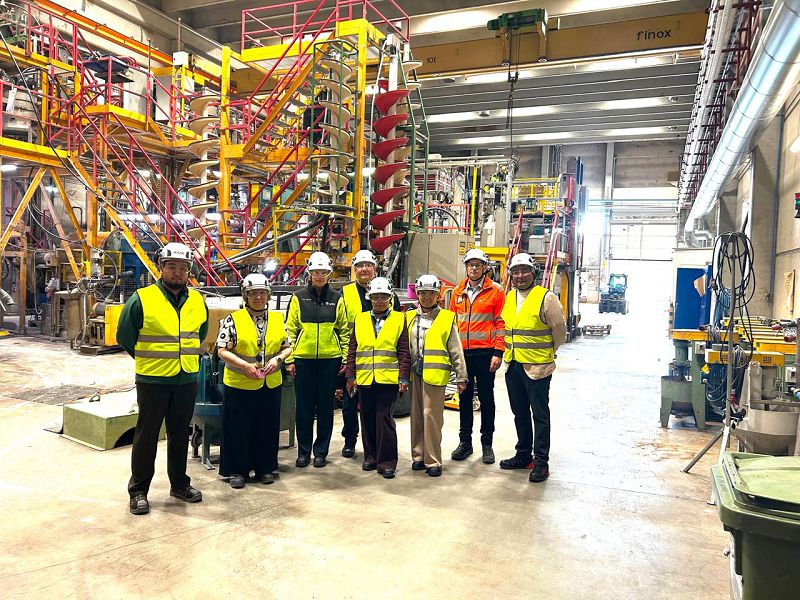
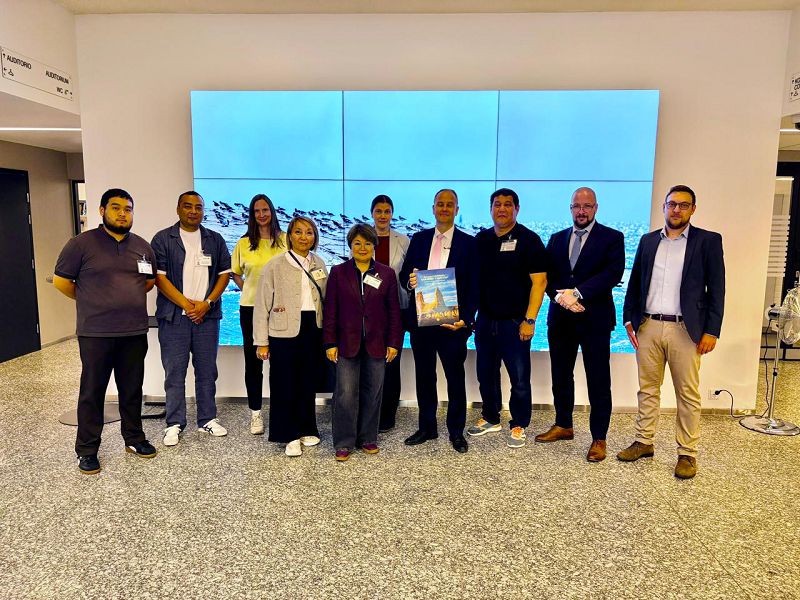
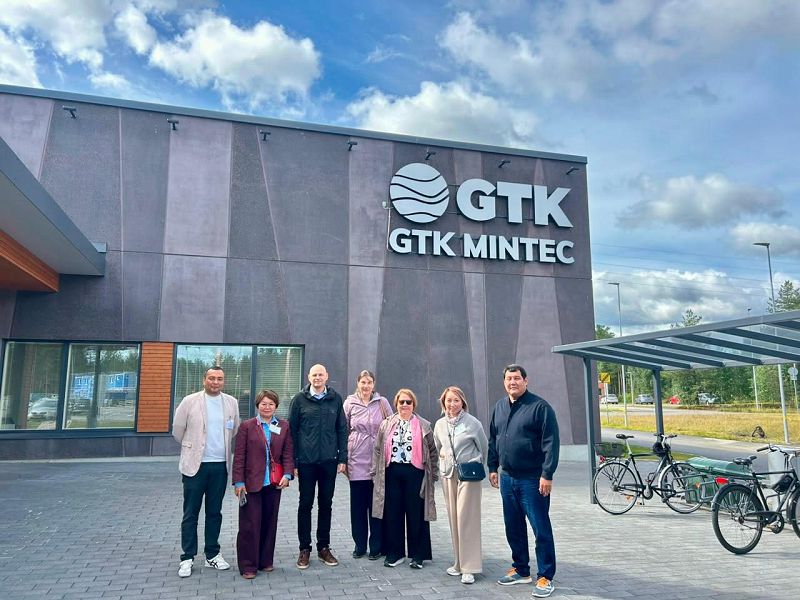
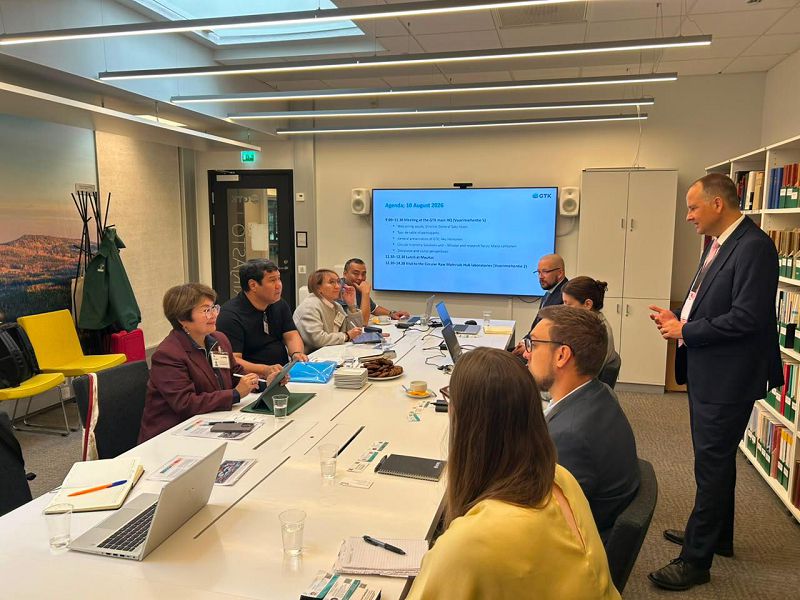
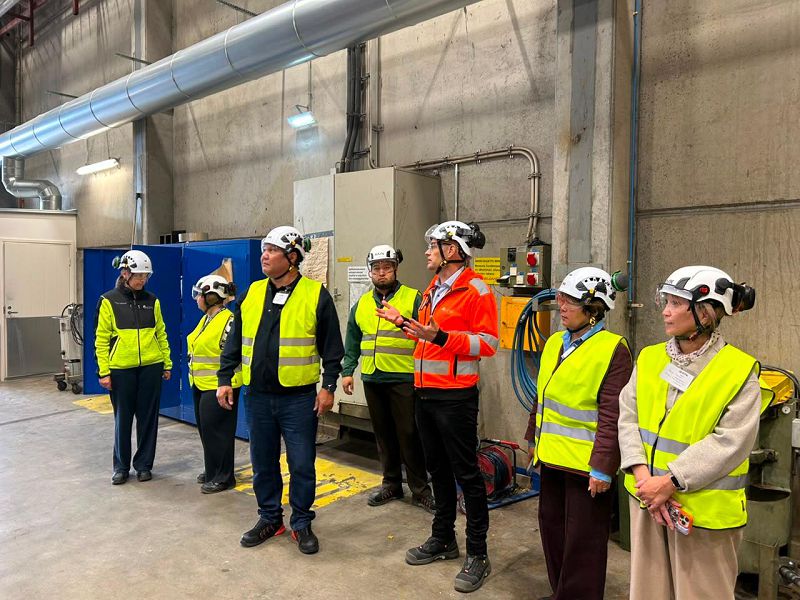
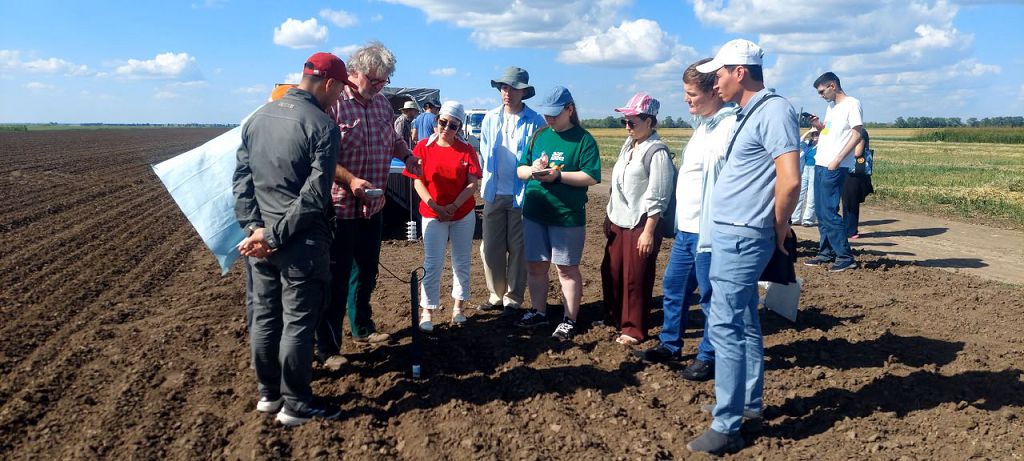
Д. Серікбаев атындағы Шығыс Қазақстан техникалық университетінің делегациясы Финляндияның жетекші ғылыми-зерттеу ұйымдары — Финляндияның VTT техникалық зерттеу орталығы (VTT Technical Research Centre of Finland) және Финляндияның геологиялық қызметі (Geological Survey of Finland, GTK) өкілдерімен бірқатар жұмыс кездесулерін өткізді. Делегация жұмысына сондай-ақ «Үлбі металлургиялық зауыты» АҚ (ҮМЗ) Басқарма мүшесі қатысты. Бұл қазақстандық-финдік ынтымақтастықтың перспективаларын талқылау барысында ғылыми және өндірістік құзыреттерді біріктіруге мүмкіндік берді.
Келіссөздер геология, минералдық және техногендік шикізатты өңдеу, қашықтан зондтау, заманауи талдау әдістері және перспективалы технологиялық шешімдерді ауқымдау салаларындағы бірлескен зерттеулерді дамытуға арналды.
Жұмыс сапары ШҚТУ-дың Қазақстан ғылымын еуропалық зерттеу кеңістігіне интеграциялауға және ғылым мен экономиканың нақты секторы арасындағы өзара іс-қимылды нығайтуға бағытталған халықаралық қызметінің жалғасы болды.
Финляндиялық әріптестермен ынтымақтастық бағыттарының бірі — Horizon Europe TiBeRIUM жобасы (Project 101293474). Жоба аясында тау-кен өнеркәсібі аумақтарын қашықтан зондтау және мониторинг жүргізудің заманауи тәсілдері қарастырылады.
Шығыс Қазақстанда осындай зерттеулер жүргізу үшін елеулі ғылыми және өндірістік әлеует бар. Өңір тау-кен өндіру және металлургия өнеркәсібі нысандарының жоғары шоғырлануымен, сондай-ақ тарихи қалыптасқан техногендік минералдық түзілімдердің болуымен ерекшеленеді. Бұл қашықтан мониторинг жүргізудің заманауи әдістерін сынақтан өткізуге, аумақтардағы өзгерістерді талдауға және тау-кен өнеркәсібі кешені нысандарының жай-күйін бағалауға мүмкіндік береді.
Келіссөздер барысында ШҚТУ, ҮМЗ және Финляндияның ғылыми-зерттеу ұйымдарының өкілдері геология, геохимия, Жерді қашықтан зондтау, минералдық шикізатты зерттеу және оны өңдеу технологияларын әзірлеу салаларындағы құзыреттерді біріктіру мүмкіндіктерін талқылады. Ірі өнеркәсіптік кәсіпорын өкілінің қатысуы талқыланған ғылыми шешімдерді олардың практикалық қажеттілігі мен одан әрі енгізу перспективалары тұрғысынан қарастыруға мүмкіндік берді.
Стратегиялық шикізат — ынтымақтастықтың негізгі бағыттарының бірі
Ынтымақтастықтың маңызды бағыттарының бірі ретінде стратегиялық шикізатты, оның ішінде жоғары технологиялық өндірістердің, энергетиканың, цифрлық технологиялардың дамуы және жаһандық төмен көміртекті экономикаға көшу аясында сұранысы артып келе жатқан сирек және сирек жер металдарын зерттеуге ерекше назар аударылды.
Қазақстанның минералдық-шикізат базасы ауқымды, тау-кен металлургия кешені дамыған, сондай-ақ геология, тау-кен ісі, байыту және металлургия салаларында көпжылдық ғылыми құзыреттері бар. Ал Финляндия тарапы минералдық ресурстарды кешенді зерттеу бойынша дамыған зерттеу инфрақұрылымы мен тәжірибеге ие. Бұл іргелі геологиялық және геохимиялық зерттеулерден бастап, технологиялық процестерді пилоттық деңгейде сынақтан өткізуге дейінгі жұмыстарды қамтиды.
Университеттер мен ғылыми-зерттеу ұйымдарының ғылыми мүмкіндіктерін кәсіпорындардың өндірістік сараптамасымен ұштастыру жаңа ғылыми нәтижелер алуға ғана емес, оларды кейіннен технологиялық тұрғыдан қолдануға бағытталған жобаларды қалыптастыруға жағдай жасайды.
Екіншілік шикізат және техногендік минералдық түзілімдер
Келіссөздердің негізгі тақырыптарының бірі — байыту қалдықтарын, металлургиялық шлактарды және басқа да техногендік минералдық түзілімдерді қайта өңдеу үдерісіне тарту болды.
Тау-кен металлургиясы өңірлерінде жинақталған қалдықтар бүгінде тек экологиялық мәселе ретінде ғана емес, сонымен қатар құнды әрі стратегиялық шикізаттың әлеуетті көзі ретінде қарастырылады. Бұған дейін алынуы экономикалық тұрғыдан тиімсіз немесе технологиялық жағынан күрделі болған компоненттер қазіргі жағдайда айтарлықтай жоғары стратегиялық маңызға ие болып отыр.
Қазақстан тарапы өнеркәсіптің осындай шикізатты өңдеудің экономикалық тиімді технологияларын әзірлеуге қызығушылығы жоғары екенін атап өтті. ҮМЗ өкілінің қатысуы өнеркәсіп секторының перспективалы технологияларға қойылатын талаптарын және ғылыми зерттеулерден практикалық қолдану әлеуеті бар шешімдерге көшу мәселелерін нақты талқылауға мүмкіндік берді.
Ынтымақтастықтың перспективалы бағыты ретінде техногендік шикізатты кешенді зерттеу айқындалды. Оның аясында шикізаттың минералдық және химиялық құрамын зерттеу, құнды компоненттердің мөлшерін бағалау, оларды бөліп алудың технологиялық сызбаларын әзірлеу және дайын шешімдерді кейіннен сынақтан өткізу көзделеді.
Геохимиялық және изотоптық талдаудың заманауи әдістері
Жұмыс кездесулері барысында қазақстандық делегация финдік әріптестердің ғылыми-зерттеу инфрақұрылымымен егжей-тегжейлі танысты.
Жоғары дәлдіктегі геохимиялық және изотоптық зерттеулердің мүмкіндіктері ерекше қызығушылық тудырды. GTK зертханаларында, атап айтқанда, изотоптық арақатынастарды жоғары дәлдікпен өлшеуге мүмкіндік беретін индуктивті байланысқан плазмалы көпколлекторлы масс-спектрометрия — MC-ICP-MS әдісі қолданылады.
Мұндай әдістер минералдық заттардың шығу тегін анықтауға, кен түзілу процестерін қайта құруға және жекелеген компоненттердің көздерін айқындауға мүмкіндік береді. Кәсіби диалог барысында, соның ішінде сульфидті минералдардың шығу тегін анықтау мақсатында күкірттің изотоптық құрамын зерттеу мүмкіндіктері талқыланды.
Тараптар қолданыстағы зертханалық жабдықтардың мүмкіндіктері мен зерттеу құзыреттерін де салыстырды. Бұл бірлескен зерттеулердің бағыттарын айқындау және серіктестердің ғылыми инфрақұрылымын тиімді пайдалану үшін маңызды.
Зертханалық зерттеулерден өнеркәсіптік қолдануға дейін
Кәсіби диалогтың маңызды бөлігі GTK-ның минералдық шикізатты тәжірибелік өңдеу саласындағы мүмкіндіктерімен танысу болды.
Зерттеу инфрақұрылымы сынамаларды дайындау, ұсақтау, ұнтақтау, гомогенизациялау және минералдық материалды бөлу сияқты технологиялық операцияларды бірізді жүргізуге мүмкіндік береді. Пилоттық инфрақұрылымның мүмкіндіктері зертханалық деңгейден шикізаттың неғұрлым ірі көлемдеріндегі сынақтарға көшуге жағдай жасайды.
Мұндай тәсіл ғылыми әзірлемелерді іс жүзінде жүзеге асыру үшін принципті маңызға ие. Зертханалық жағдайда тиімділігін көрсеткен технология өнеркәсіптік өндіріске ықтимал енгізілу алдында кезең-кезеңімен ауқымдалып, тексерілуі тиіс.
Сондықтан келіссөздерге ғылым мен өндіріс өкілдерінің қатысуы ықтимал бірлескен жобаларды шикізат құрамын зерттеу мен технология әзірлеуден бастап пилоттық сынақтар мен өнеркәсіптік қолдану перспективаларын бағалауға дейінгі толық технологиялық цикл логикасында қарастыруға мүмкіндік берді.
Халықаралық кооперациядағы ғылым мен өндіріс
Келіссөздер қорытындысы бойынша тараптар стратегиялық шикізатты зерттеу, бастапқы және техногендік шикізатты өңдеу, геохимиялық және изотоптық зерттеулер, тау-кен өнеркәсібі аумақтарын қашықтан зондтау, сондай-ақ жаңа технологиялық шешімдерді зертханалық және пилоттық сынақтан өткізу бағыттарындағы ынтымақтастық перспективаларын айқындады.
Бірлескен ғылыми жобалар мен халықаралық өтінімдер дайындау, зерттеу құзыреттерімен алмасу, сондай-ақ Қазақстан мен Финляндияның ғылыми ұйымдары мен өнеркәсіптік кәсіпорындары арасында тұрақты байланыстар қалыптастыру мүмкіндіктеріне ерекше назар аударылды.
ШҚТУ, Қазақстан өнеркәсібінің өкілдері, VTT және GTK арасындағы өзара іс-қимыл ғылыми зерттеулер бастапқы кезеңнен нақты технологиялық міндеттерді шешуге бағытталатын халықаралық кооперация моделін қалыптастырады.
Финляндиядағы жұмыс кездесулері стратегиялық шикізатты зерттеу және игеру, бастапқы және техногендік материалдарды өңдеудің заманауи технологияларын енгізу, ғылым мен өндіріс арасындағы байланысты нығайту және Қазақстанның тау-кен металлургия кешенінің халықаралық бәсекеге қабілеттілігін арттыруға бағытталған бірлескен зерттеулер мен жобаларды одан әрі пысықтауға негіз қалады.