
Educational programme group: B053 – Chemistry
Core entrance subjects: Chemistry and Biology
Languages of instruction: Kazakh and Russian
Catalogue of Elective Courses
Updating of Educational Programmes
The educational programme 6B05304 – Chemistry, Chemical Engineering is aimed at developing theoretical knowledge and practical skills in chemistry, chemical technology, and engineering.
The programme trains specialists capable of conducting chemical research, developing, designing, and improving technological processes, as well as producing and processing chemical products using modern methods, equipment, and digital technologies.
During their studies, students learn the principles of chemical processes, qualitative and quantitative analysis methods, the operating principles of chemical processing equipment, the fundamentals of process design and modelling, and methods of quality control, industrial safety, and environmental protection.
Chemical engineering is a field of science and technology that combines chemistry, physics, mathematics, mechanics, and information technology to develop and optimise processes for converting raw materials into high-quality chemicals, materials, and finished products.
Purpose of the Educational Programme
To train highly qualified chemical engineers capable of effectively solving professional problems in chemistry and developing, designing, and implementing innovative, safe, resource-efficient, and environmentally sustainable chemical production technologies.
The educational programme provides students with fundamental and applied knowledge in chemical sciences and chemical engineering. It also develops skills in laboratory research, technological process control, production data analysis, and scaling up laboratory developments to the industrial level.
The acquired knowledge enables graduates to solve complex technical, organisational, and managerial problems, conduct research and development, improve existing technological processes, and create new technologies and materials.
Objects of Graduates’ Professional Activity
The objects of graduates’ professional activity include:
- chemical and petrochemical enterprises;
- metallurgical and mining enterprises;
- enterprises producing inorganic substances and chemical reagents;
- paint and coating manufacturing enterprises;
- pharmaceutical and food industry enterprises;
- water treatment, water preparation, and industrial waste-processing enterprises;
- production, analytical, environmental, and testing laboratories;
- research and design institutes;
- standardisation, metrology, and certification centres;
- sanitary and epidemiological laboratories;
- customs laboratories;
- environmental monitoring organisations;
- technical and vocational education institutions;
- higher education institutions;
- engineering companies and other industry organisations.
Scope of Professional Activity
Graduates’ professional activities include:
- developing and implementing chemical and chemical-technological processes;
- producing and processing chemicals and materials;
- organising and managing technological processes;
- designing and modernising chemical production facilities;
- conducting laboratory and production control;
- controlling the quality of raw materials, intermediate products, and finished products;
- operating chemical processing equipment;
- conducting chemical and physicochemical research;
- ensuring industrial environmental protection;
- treating water and industrial wastewater;
- processing and disposing of industrial waste;
- carrying out research and design activities;
- ensuring standardisation, certification, and metrological support for production.
Graduates can work as chemical engineers, chemical technologists, analytical chemists, engineers in production and research laboratories, quality-control specialists, environmental engineers, water and wastewater treatment specialists, chemical experts, and chemical production engineers.
Subjects of Professional Activity
The subjects of professional activity include:
- chemicals, materials, and reagents;
- raw materials, intermediate products, and finished products;
- chemical reactions, processes, and phenomena;
- process flow diagrams for chemical production;
- chemical reactors, process units, and production equipment;
- heat- and mass-transfer processes;
- qualitative and quantitative chemical analysis methods;
- physicochemical research methods;
- water treatment and water preparation processes;
- industrial waste-processing technologies;
- methods for modelling and optimising chemical processes;
- production and environmental control systems;
- regulatory, technical, and design documentation.
Types of Professional Activity
Graduates of the 6B05304 – Chemistry, Chemical Engineering educational programme may perform the following types of professional activity:
- production and technological activities;
- organisational and managerial activities;
- design and engineering activities;
- experimental and research activities;
- engineering calculation and design activities;
- control and analytical activities;
- environmental activities;
- scientific and research activities.
Professional Functions
Chemical engineers perform a wide range of functions related to developing, organising, and controlling chemical and chemical-technological processes.
Depending on their position, graduates may perform the following functions:
- Raw material preparation: collecting samples, determining the composition and properties of raw materials, and preparing materials and reagents for processing.
- Chemical analysis: conducting qualitative and quantitative analyses of raw materials, intermediate products, and finished products.
- Physicochemical research: applying spectroscopic, electrochemical, chromatographic, thermal, and other research methods.
- Organisation of technological processes: supporting and monitoring chemical processes at production sites.
- Preparation of solutions and reagents: calculating compositions and preparing process, standard, and auxiliary solutions.
- Chemical reaction control: selecting and controlling temperature, pressure, concentration, process duration, and other technological parameters.
- Operation of reactors and process units: starting, adjusting, monitoring, and safely operating chemical processing equipment.
- Control of technological parameters: monitoring process parameters, identifying deviations, and adjusting equipment operating modes.
- Material and heat-balance calculations: preparing material and heat balances for chemical processes.
- Process scale-up: transferring laboratory technologies to pilot and industrial scales.
- Production facility design: developing process flow diagrams, selecting equipment, and performing engineering calculations.
- Process modelling: using specialised software and artificial intelligence methods to model and optimise chemical production processes.
- Quality control: assessing whether raw materials and finished products comply with established standards and technical requirements.
- Internal laboratory quality control: ensuring the accuracy, repeatability, reproducibility, and reliability of chemical analysis results.
- Development of new materials: creating and studying chemicals, formulations, and materials with specified properties.
- Development of new technologies: improving existing processes and creating innovative chemical technologies.
- Water treatment: organising water preparation and the treatment of industrial and domestic wastewater.
- Waste processing: developing and applying technologies for the neutralisation, utilisation, and comprehensive processing of industrial waste.
- Environmental control: monitoring emissions, discharges, and waste and assessing the environmental impact of chemical production.
- Industrial safety: ensuring the safe handling of chemicals and compliance with occupational health and safety requirements.
- Equipment maintenance: diagnosing equipment condition, organising maintenance, and participating in repairs.
- Technical documentation: preparing process regulations, operating instructions, laboratory records, reports, and technical specifications.
- Production management: planning, coordinating, and supervising the activities of production units.
- Personnel management: supervising employees of laboratories, process areas, and production departments.
- Scientific research: planning and conducting experiments, processing results, and preparing scientific and technical reports.
- Expert activities: carrying out chemical examinations, certification testing, and product conformity assessment.
- Technical and economic assessment: evaluating the effectiveness of technological solutions, raw material and energy consumption, and production costs.
Educational Process
Specialists are trained through general education, basic, and major disciplines, as well as university and elective components.
Within the educational programme, students study the following subjects:
- Analytical Chemistry;
- Inorganic Chemistry;
- Organic Chemistry;
- Physical and Colloid Chemistry;
- Chemical Kinetics and Catalysis;
- Fundamentals of Chemical Technology;
- Basic Processes and Equipment of Chemical Technology;
- Chemical Reactors and Process Units;
- Heat- and Mass-Transfer Processes in Chemical Technology;
- Modelling of Chemical Processes;
- Design of Chemical Production Facilities;
- Theory of Technological Processes in Inorganic Production;
- Electrochemistry;
- Spectroscopic Methods of Analysis;
- Physicochemical Research Methods;
- Internal Laboratory Quality Control of Quantitative Chemical Analysis;
- Processing of Chemical Analysis Results;
- Water Treatment and Water Preparation;
- Advanced Technologies for Processing Industrial Waste from Chemical Production;
- Fundamentals of Artificial Intelligence;
- Occupational Health and Safety.
Practical Training and Partners
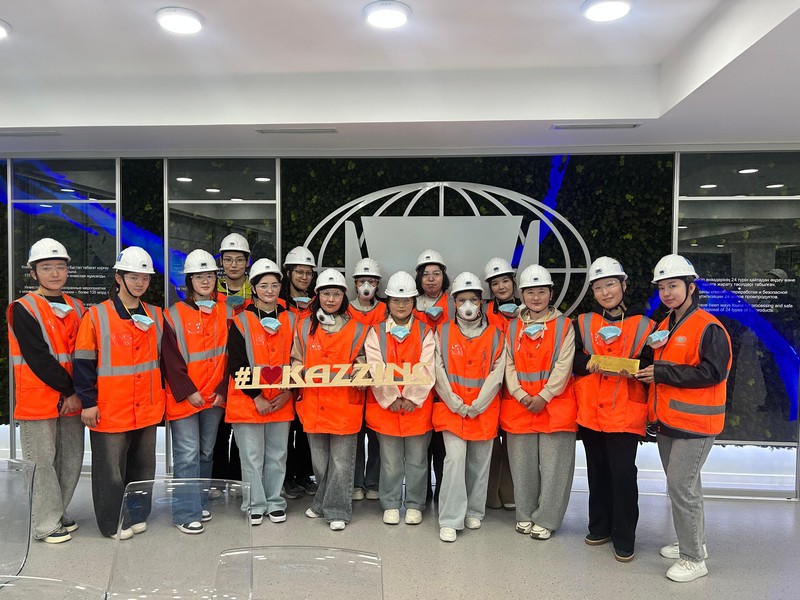
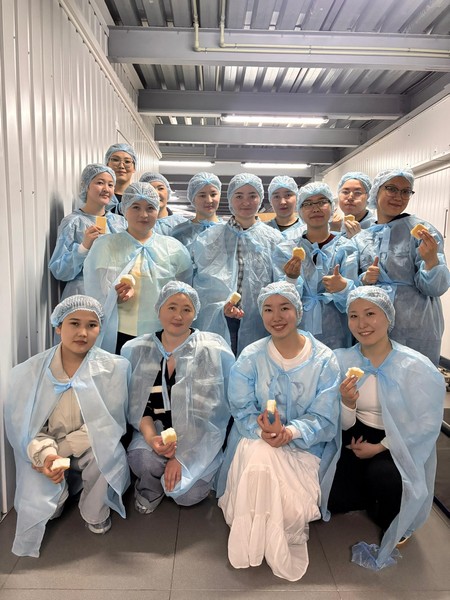
To develop professional competencies and provide practical training, cooperation agreements have been concluded with the following enterprises and organisations:
- National Nuclear Centre of the Republic of Kazakhstan JSC;
- Ust-Kamenogorsk Titanium and Magnesium Plant JSC;
- Ulba Metallurgical Plant JSC;
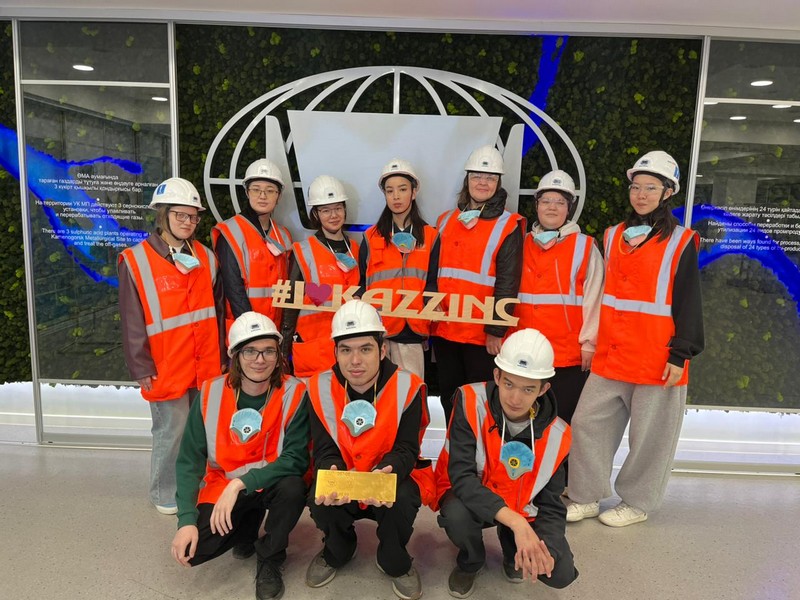
- Kazzinc LLP;
- Eurasian Minerals Trade LLP;
- East Kazakhstan Branch of the Kazakhstan Institute of Standardisation and Metrology;
- SYNERCON LLP;
- Sogrinsk Combined Heat and Power Plant LLP;
- Ust-Kamenogorsk Combined Heat and Power Plant LLP;
- Engineering Competence Centre of Oskemen Vodokanal;
- Emil LLP;
- other chemical, metallurgical, energy, manufacturing, and research organisations.
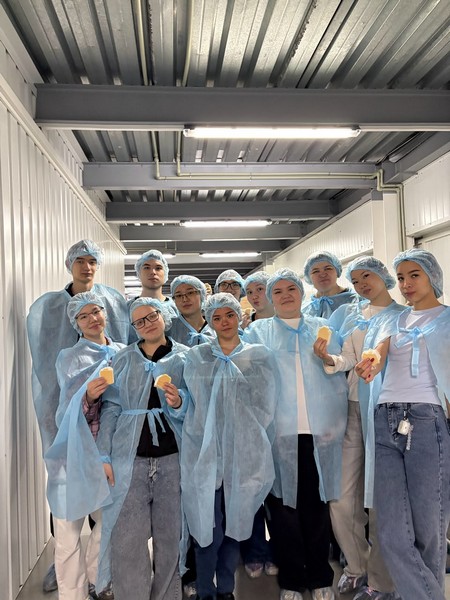
Cooperation with industrial partners enables students to undertake educational and industrial placements, conduct research at operating laboratories and production facilities, participate in solving practical industrial problems, and pursue employment opportunities after completing the programme.
19.11.2026
