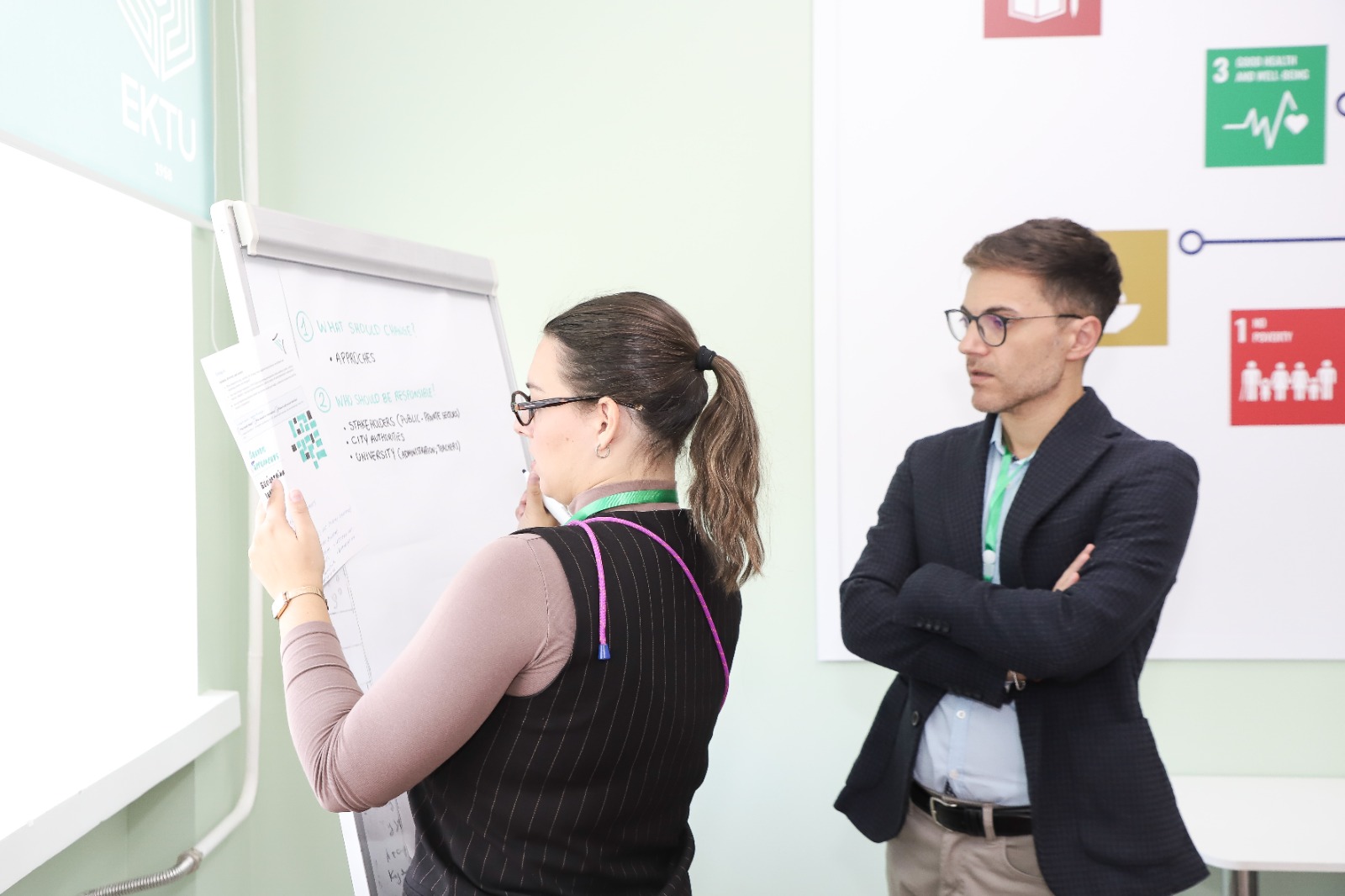
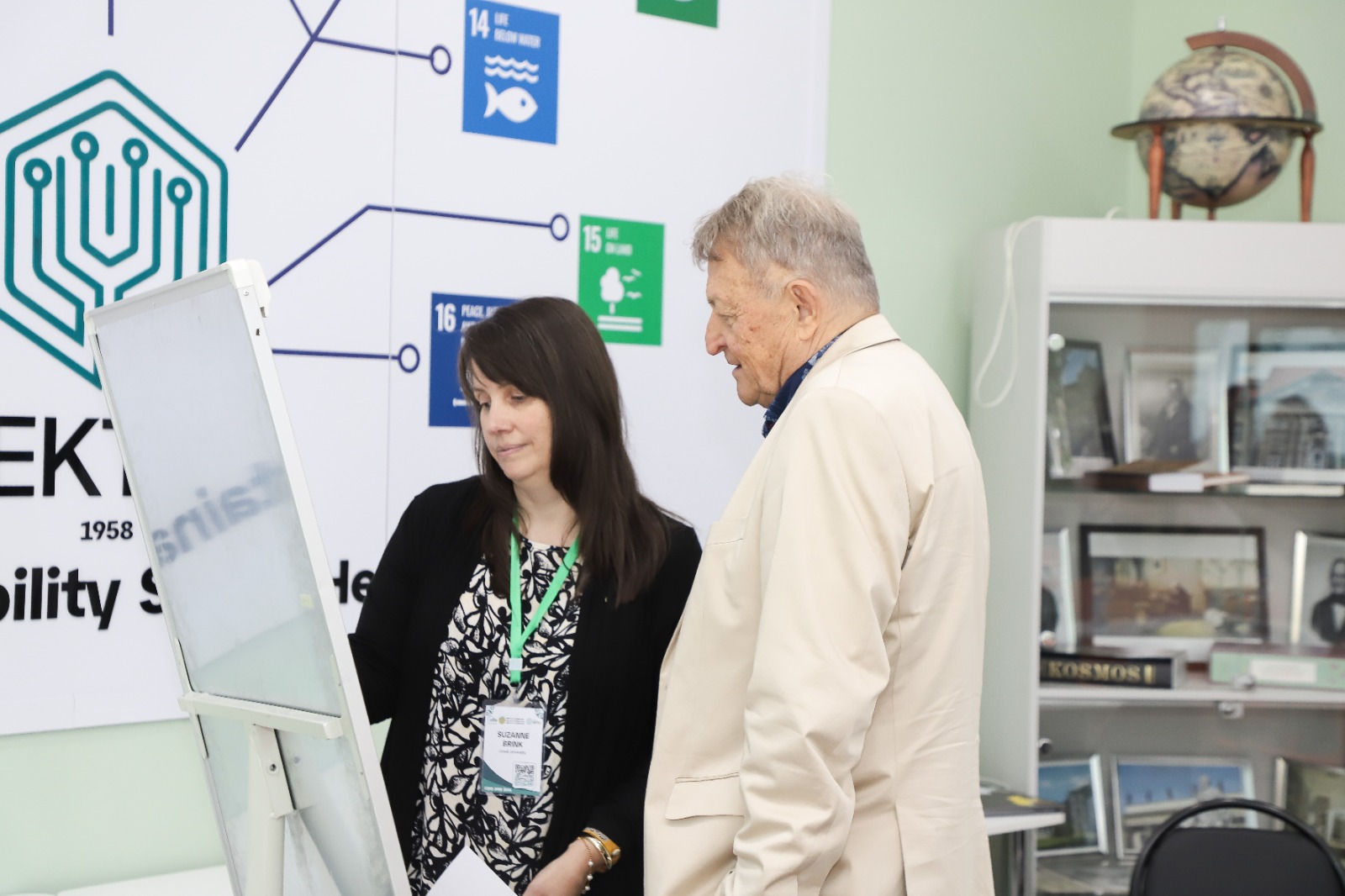
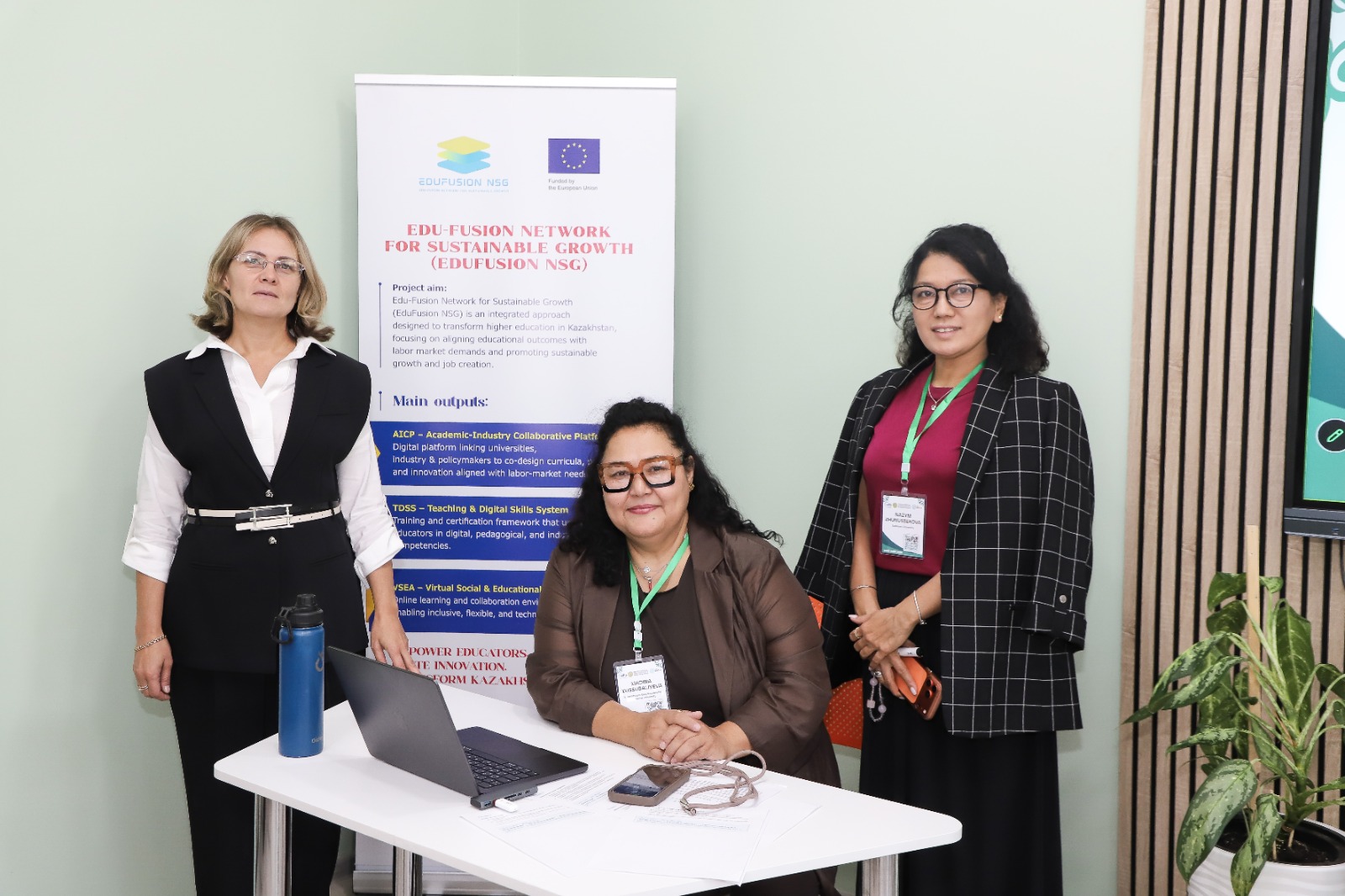
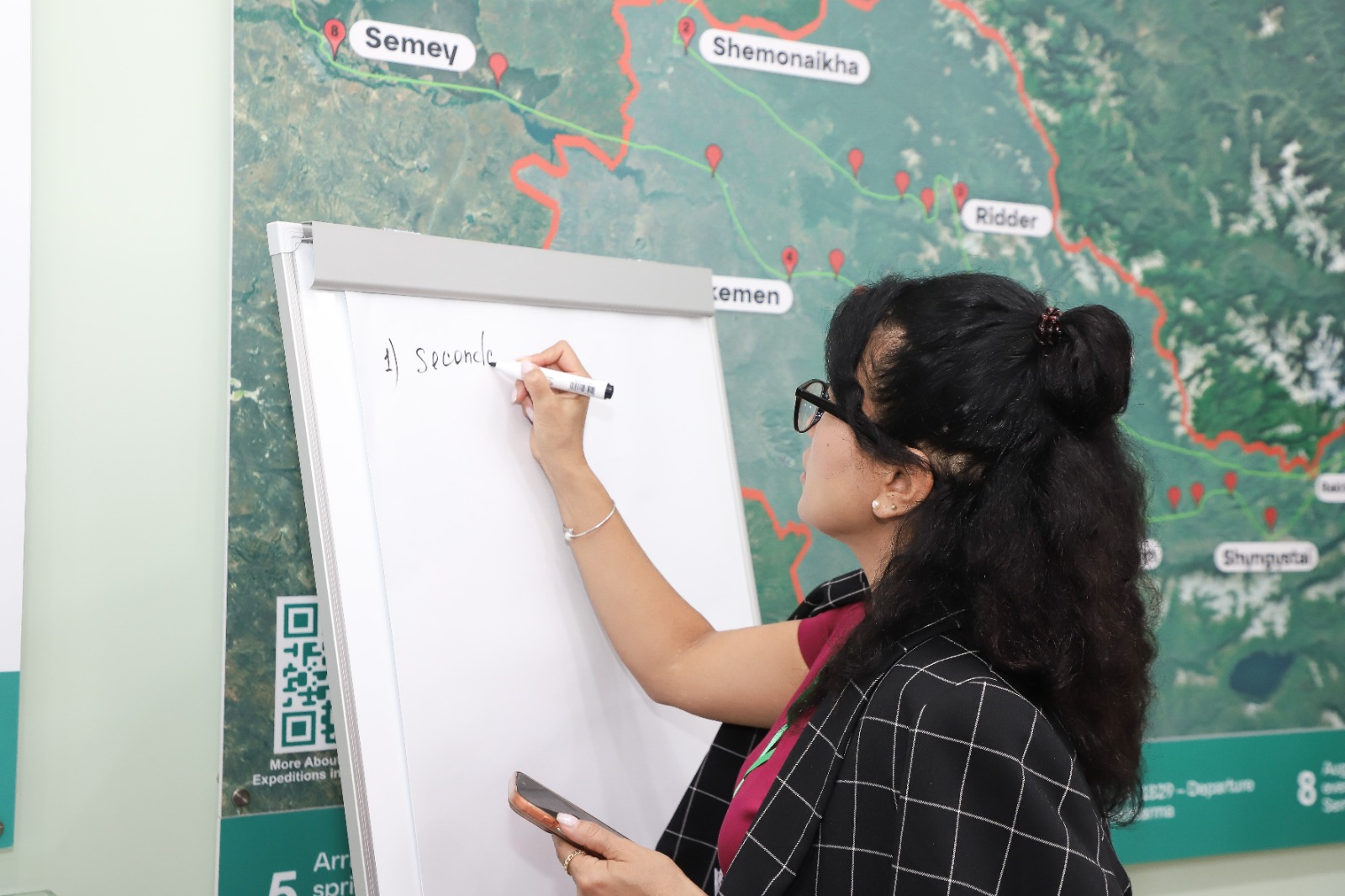
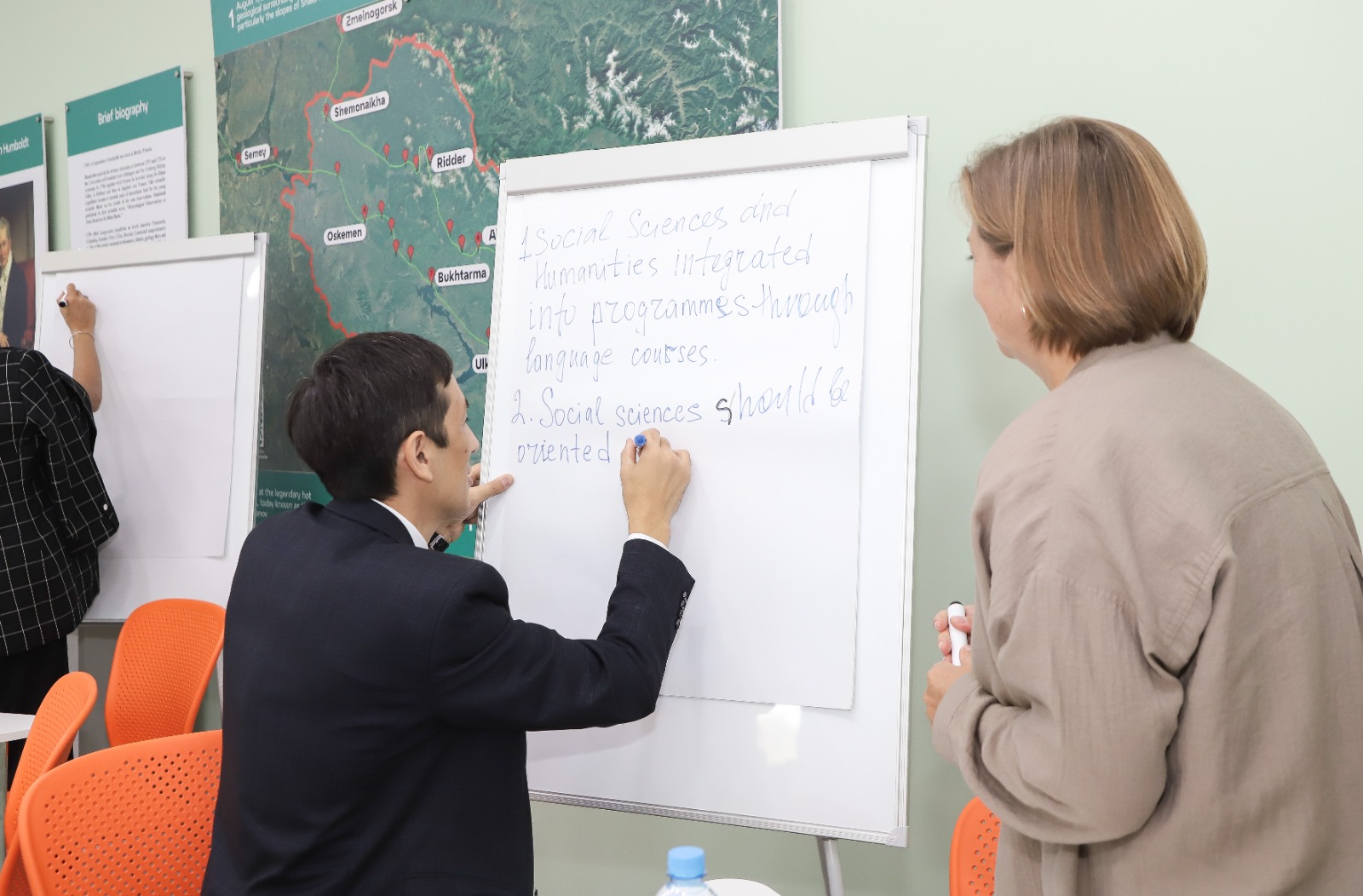
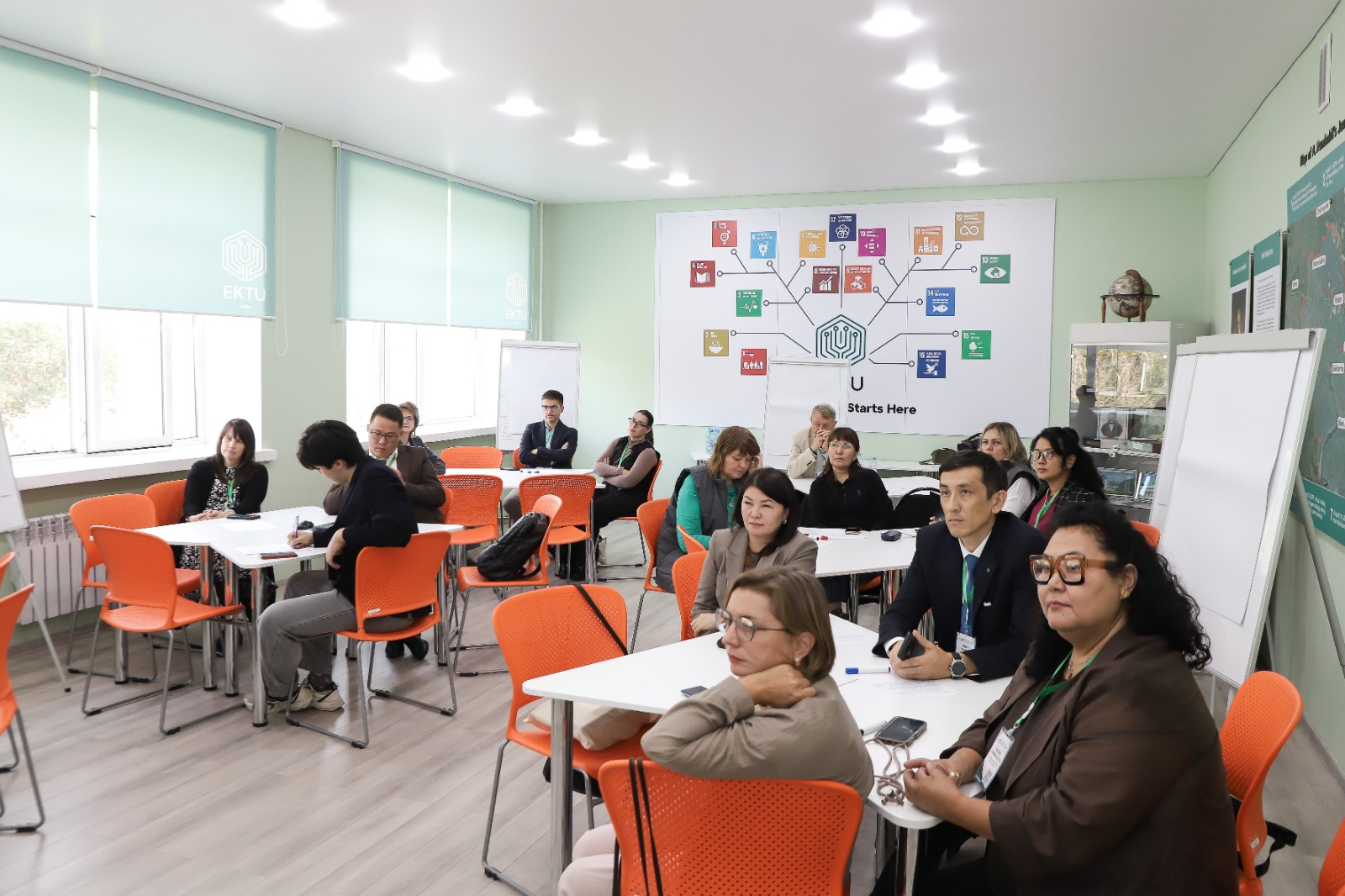
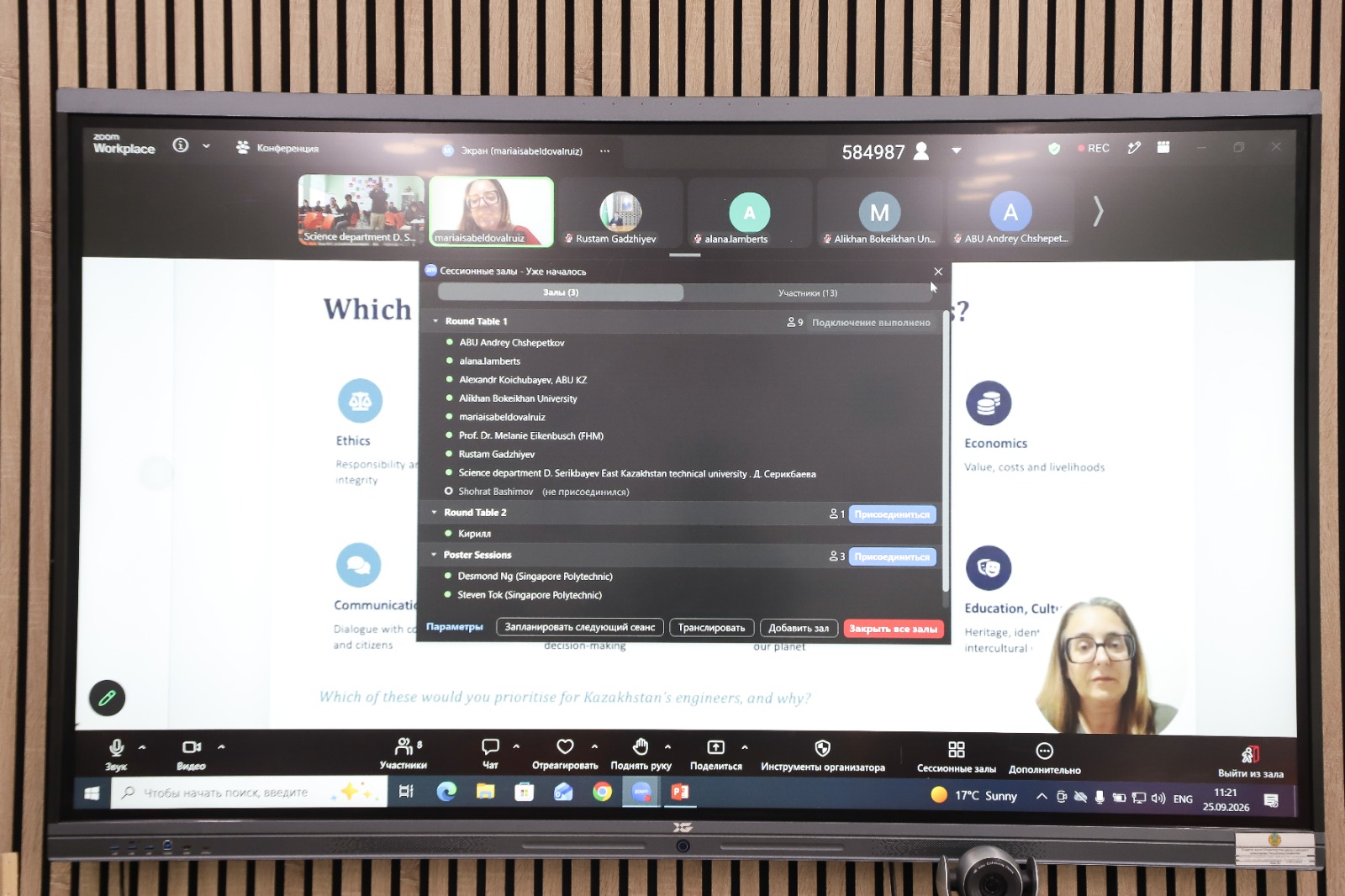
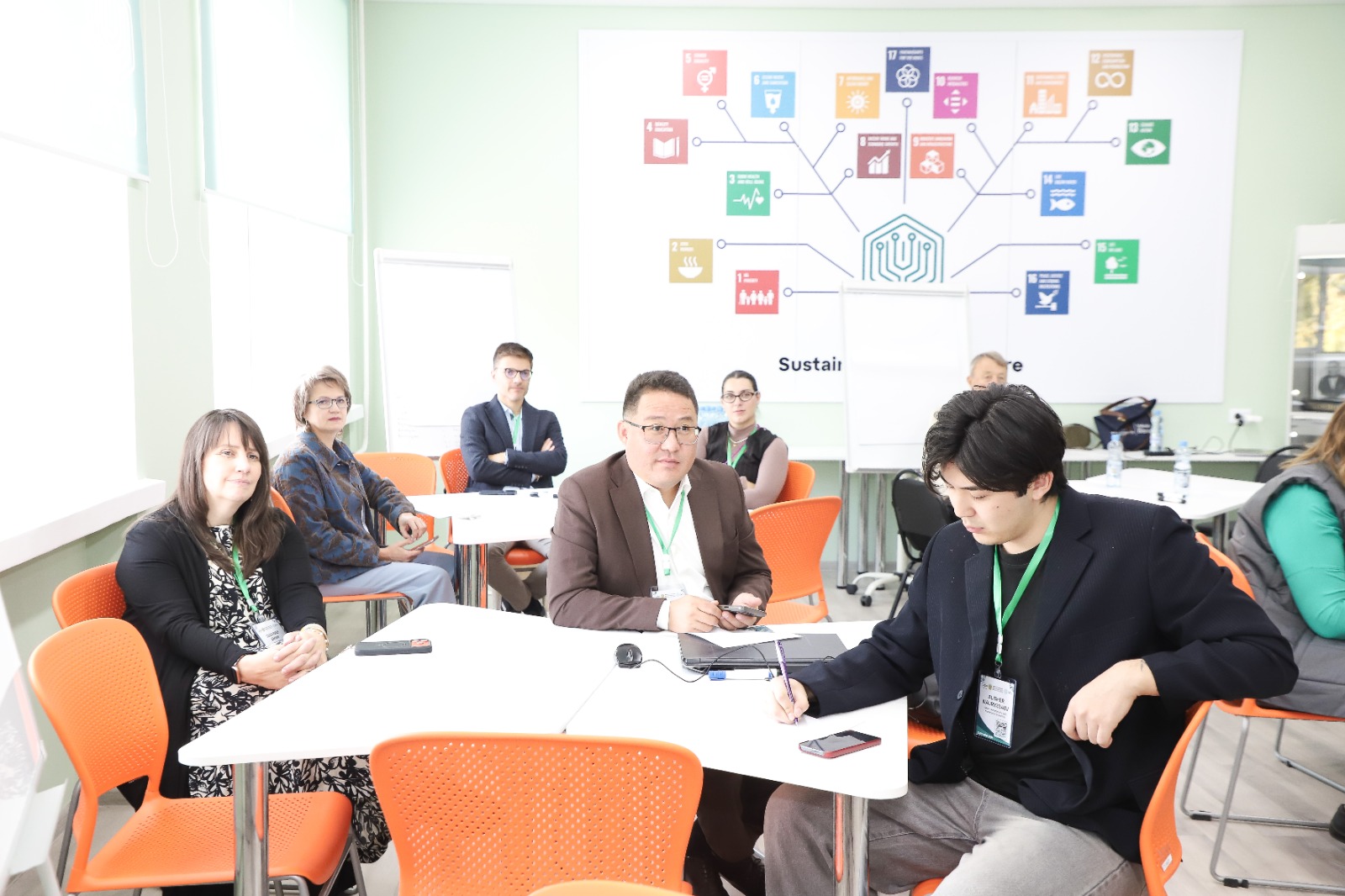
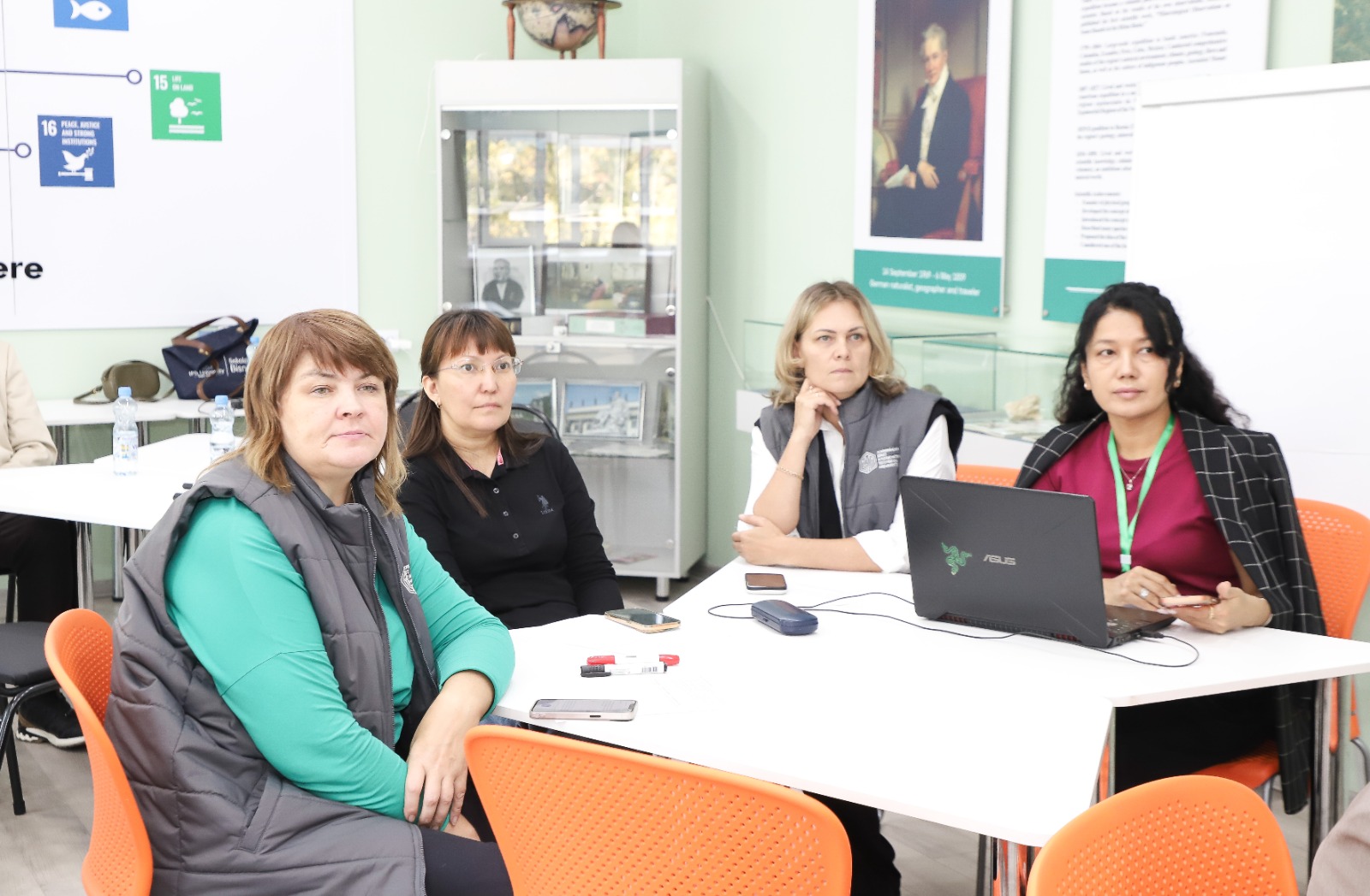
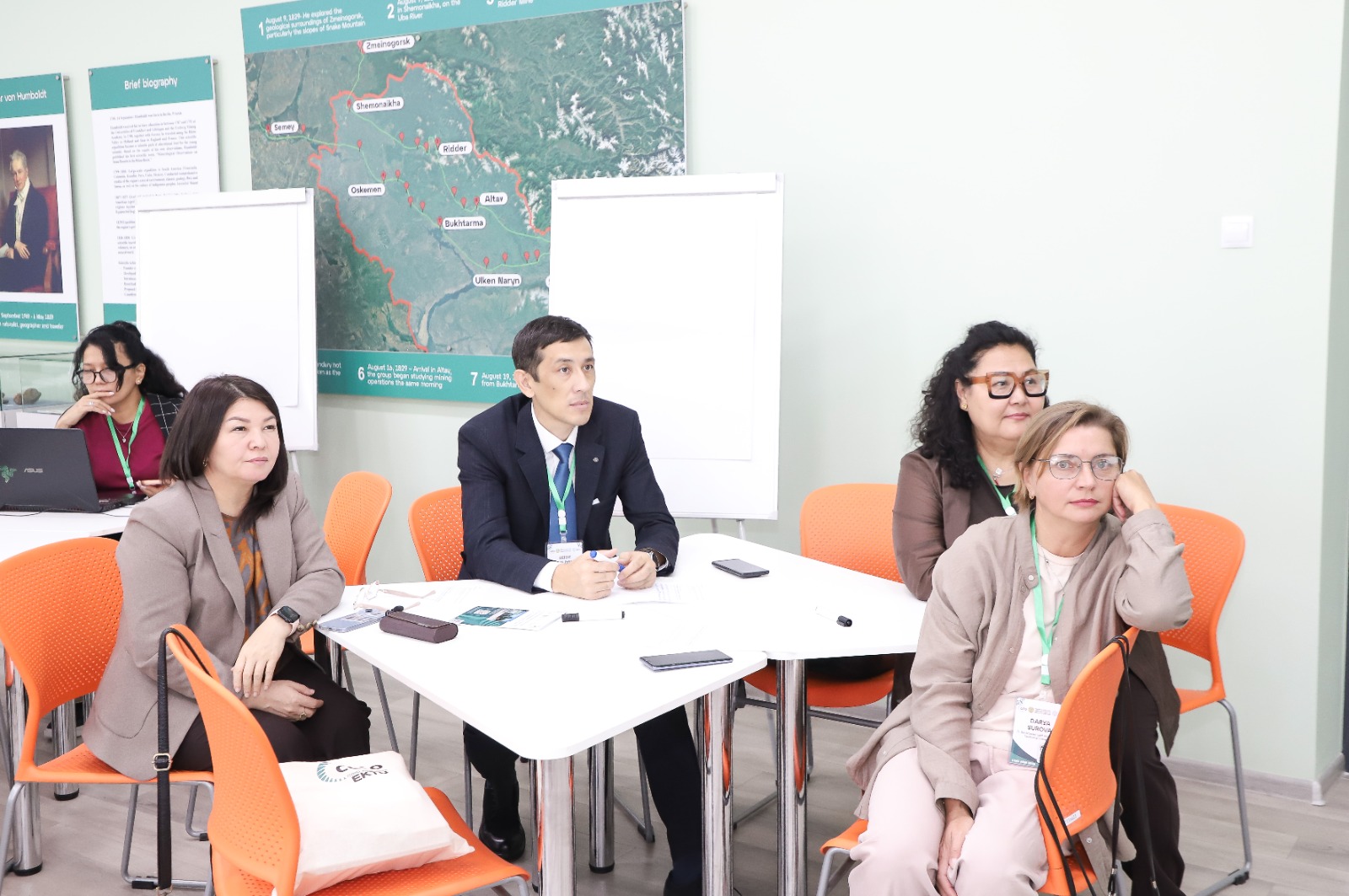
On 25 September 2026, D. Serikbayev East Kazakhstan Technical University hosted a Round Table entitled “Transdisciplinarity and the Integration of Social Sciences and Humanities within Engineering Degree Programmes in Kazakhstan” as part of the CDIO Asian Regional Meeting 2026 “Next-Gen Engineering: The New Triad of Academia, Industry and AI.” The event was organised within the framework of the international Erasmus+ CBHE project “Edu-Fusion Network for Sustainable Growth,” which was presented to participants of the regional CDIO meeting.
The Round Table provided a platform for professional discussion on contemporary approaches to the transformation of engineering education and the role of social sciences and humanities in preparing a new generation of specialists. Participants explored how the integration of Social Sciences and Humanities (SSH) into engineering degree programmes can help students develop a broader understanding of the social, economic, ethical and environmental implications of technological solutions.
Particular attention was paid to the transdisciplinary approach, which makes it possible to combine engineering, social sciences and humanities knowledge when addressing complex challenges. Participants noted that today’s engineers need not only strong technical competences, but also systems thinking, communication and teamwork skills, an understanding of societal needs, and the ability to take sustainable development principles into account when developing and implementing new technologies.
During the discussion, the Edu-Fusion Network for Sustainable Growth project was presented, including its objectives, key areas of activity and contribution to the modernisation of engineering education. Special attention was given to approaches for integrating social sciences and humanities into engineering programmes in Kazakhstan, opportunities for updating educational content, and the development of a learning environment in which engineering education is closely connected with sustainable development, digital transformation and artificial intelligence.
The Round Table also facilitated international exchange of experience and good educational practices among representatives of the academic community. The discussion identified prospects for further cooperation, the development of joint educational solutions, and stronger interdisciplinary interaction between engineering, social sciences and humanities fields.
The Round Table held within the CDIO Asian Regional Meeting 2026 marked an important step in disseminating the results and ideas of the Edu-Fusion project, strengthening international academic cooperation and advancing dialogue on the future of engineering education. This approach contributes to educating a new generation of engineers who can work effectively at the intersection of technology, society, sustainable development and artificial intelligence, while taking the broader social context into account when making decisions.