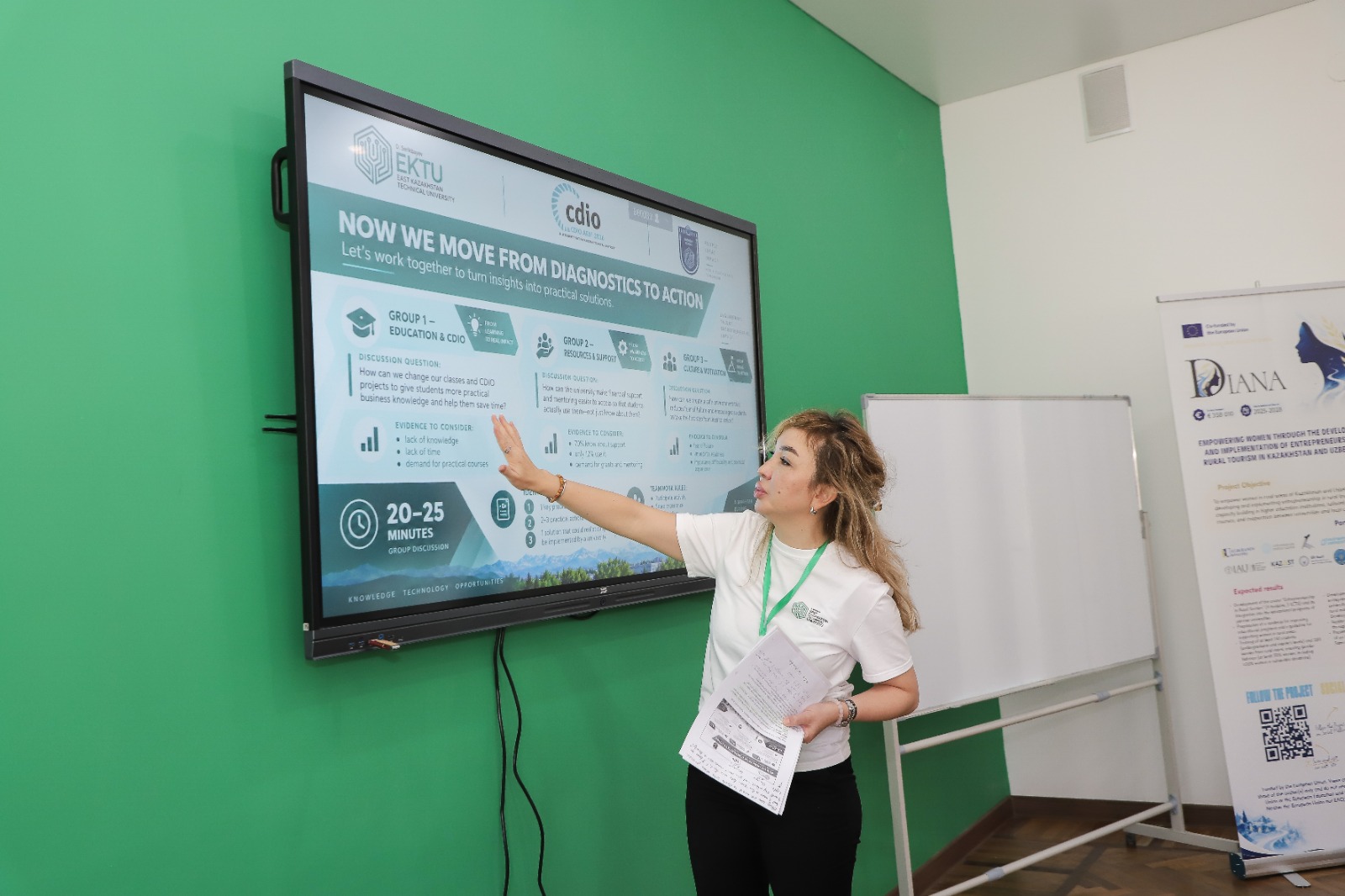
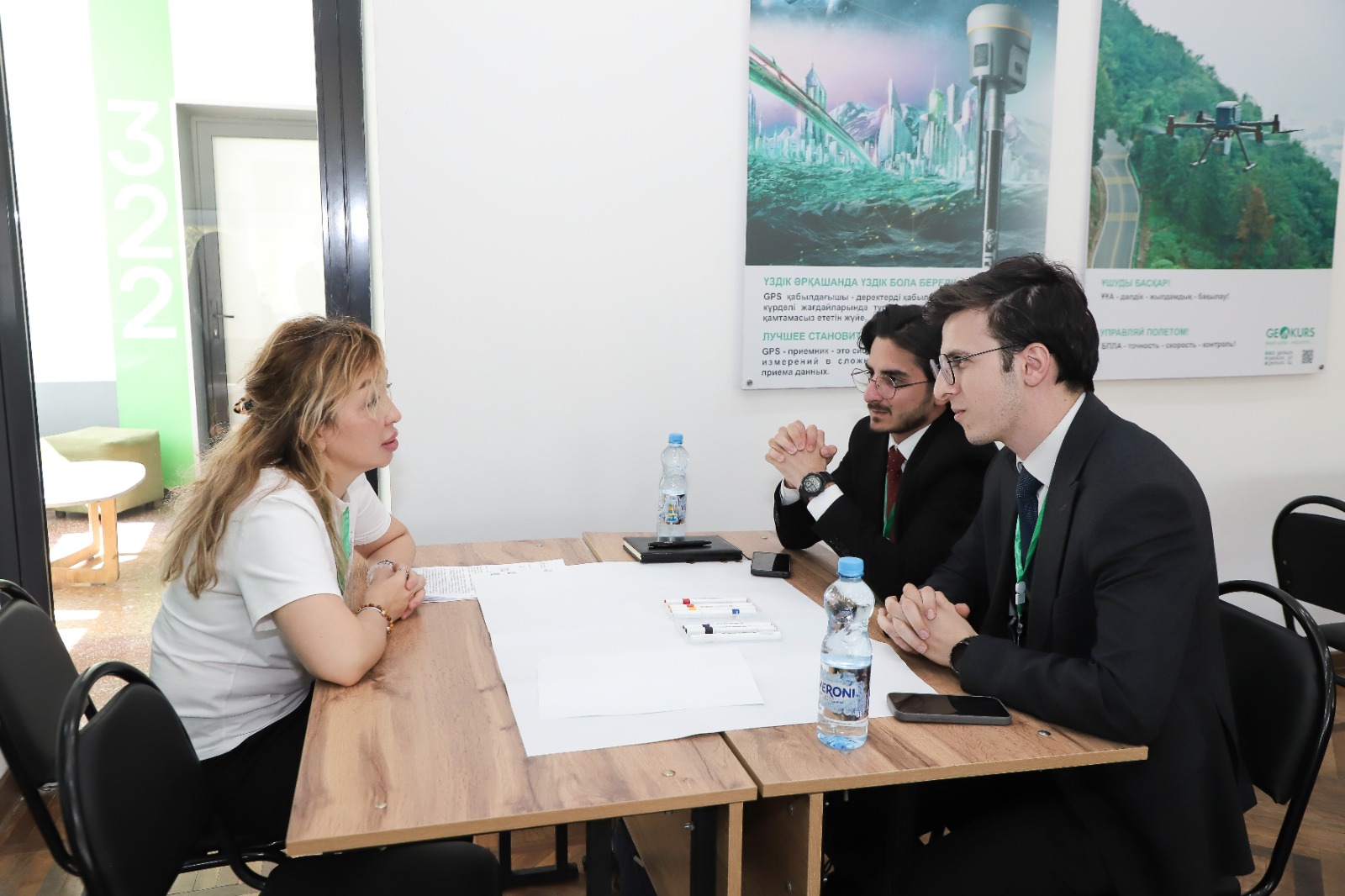
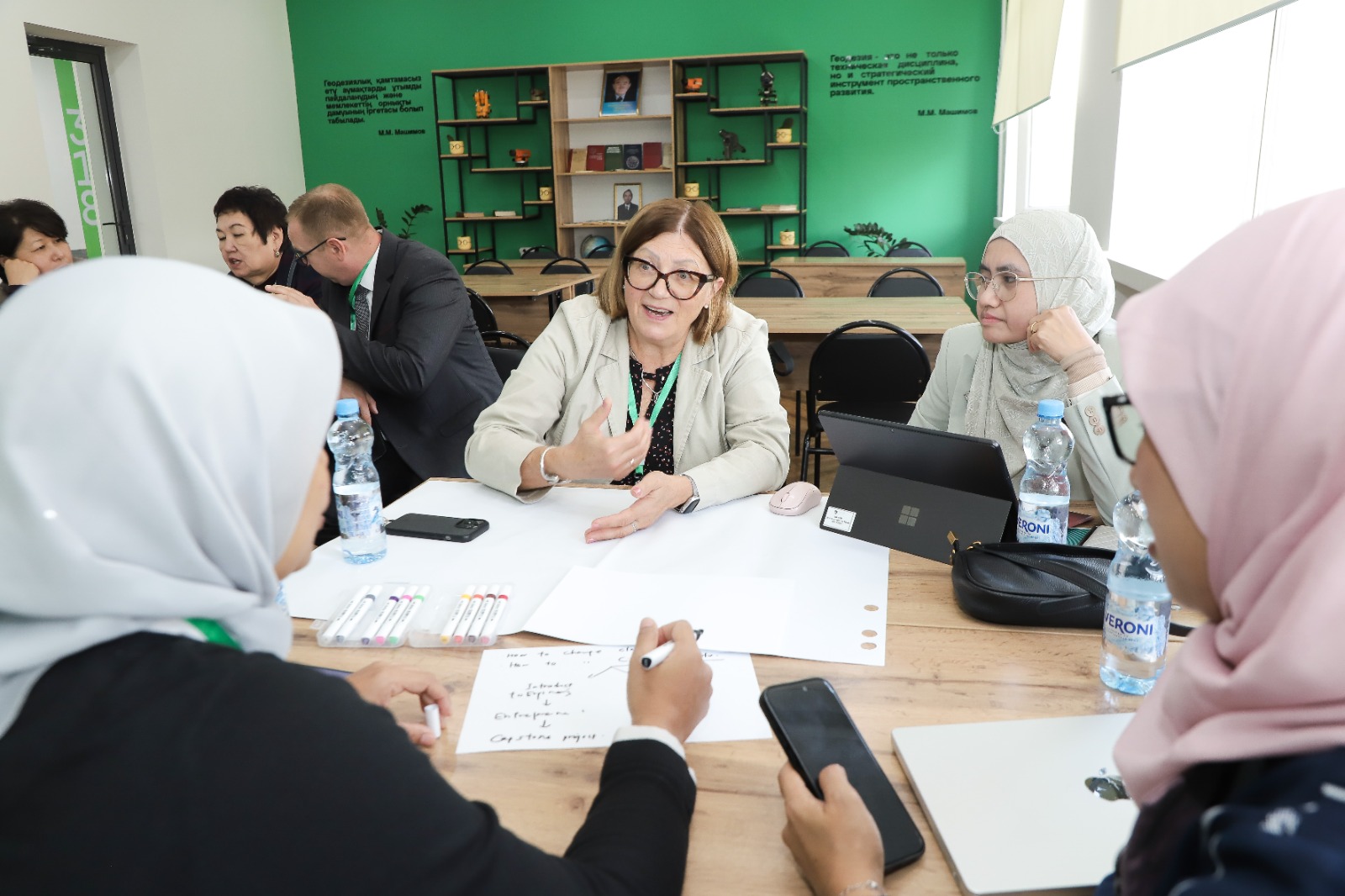
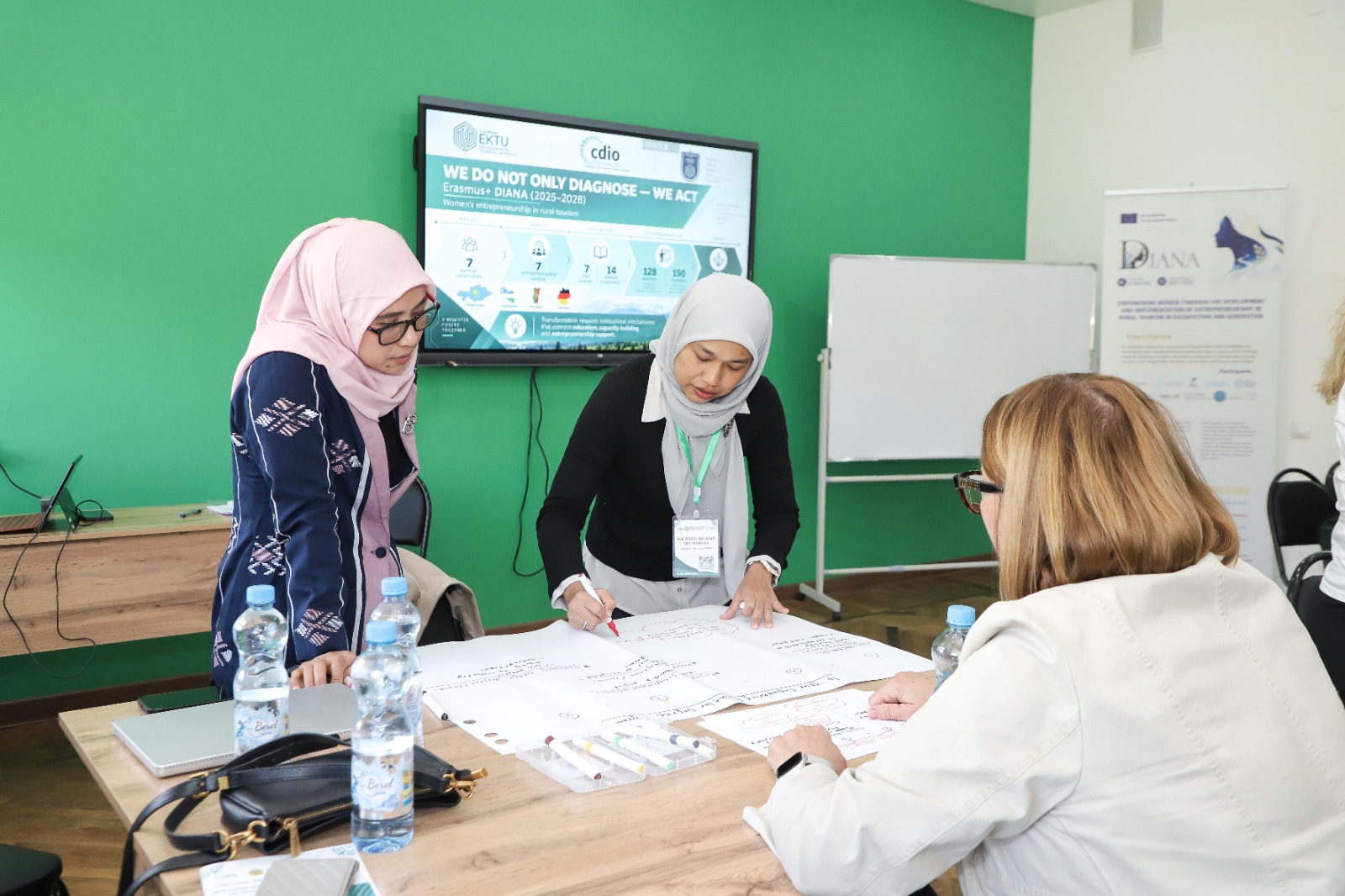
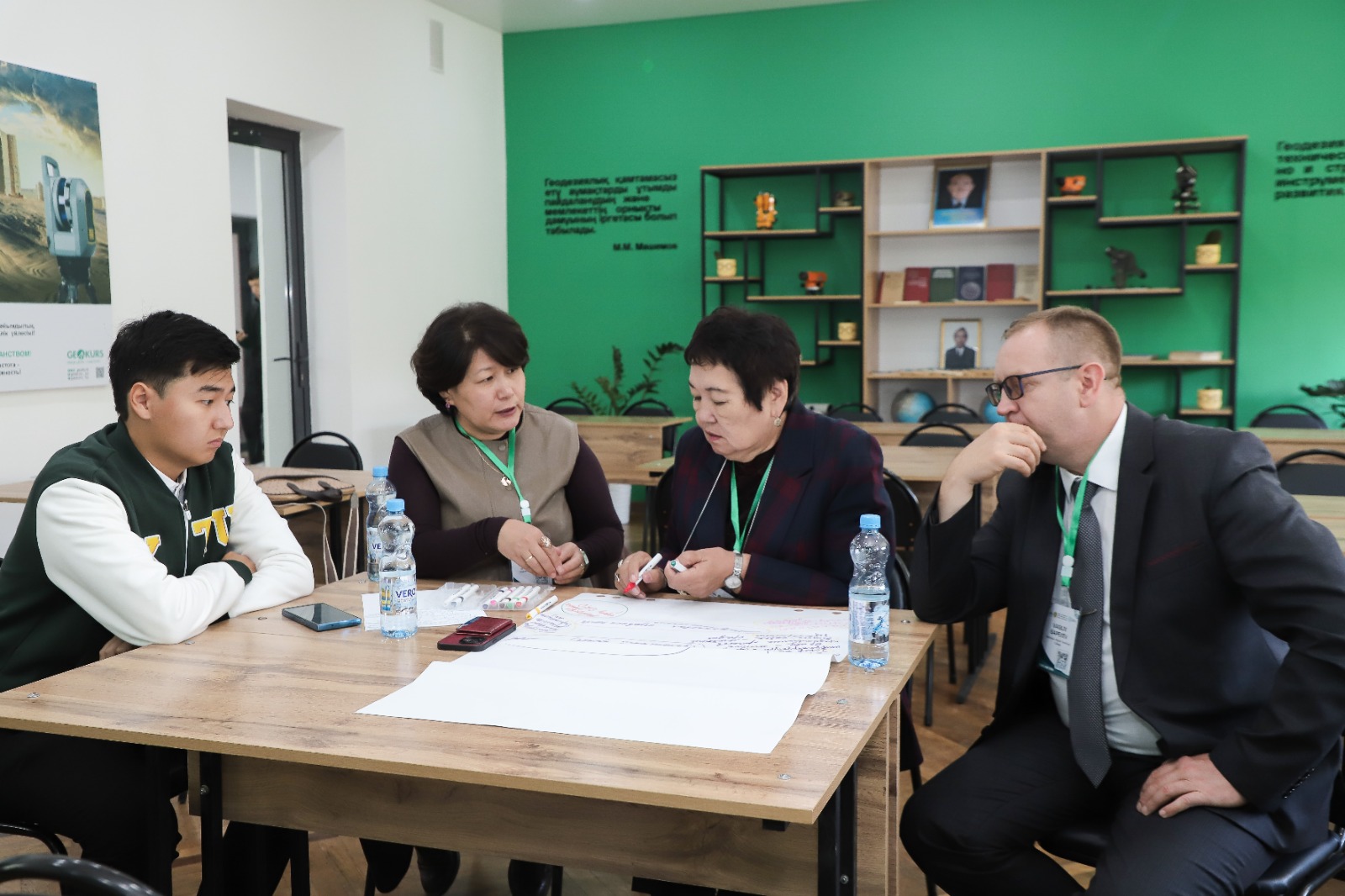
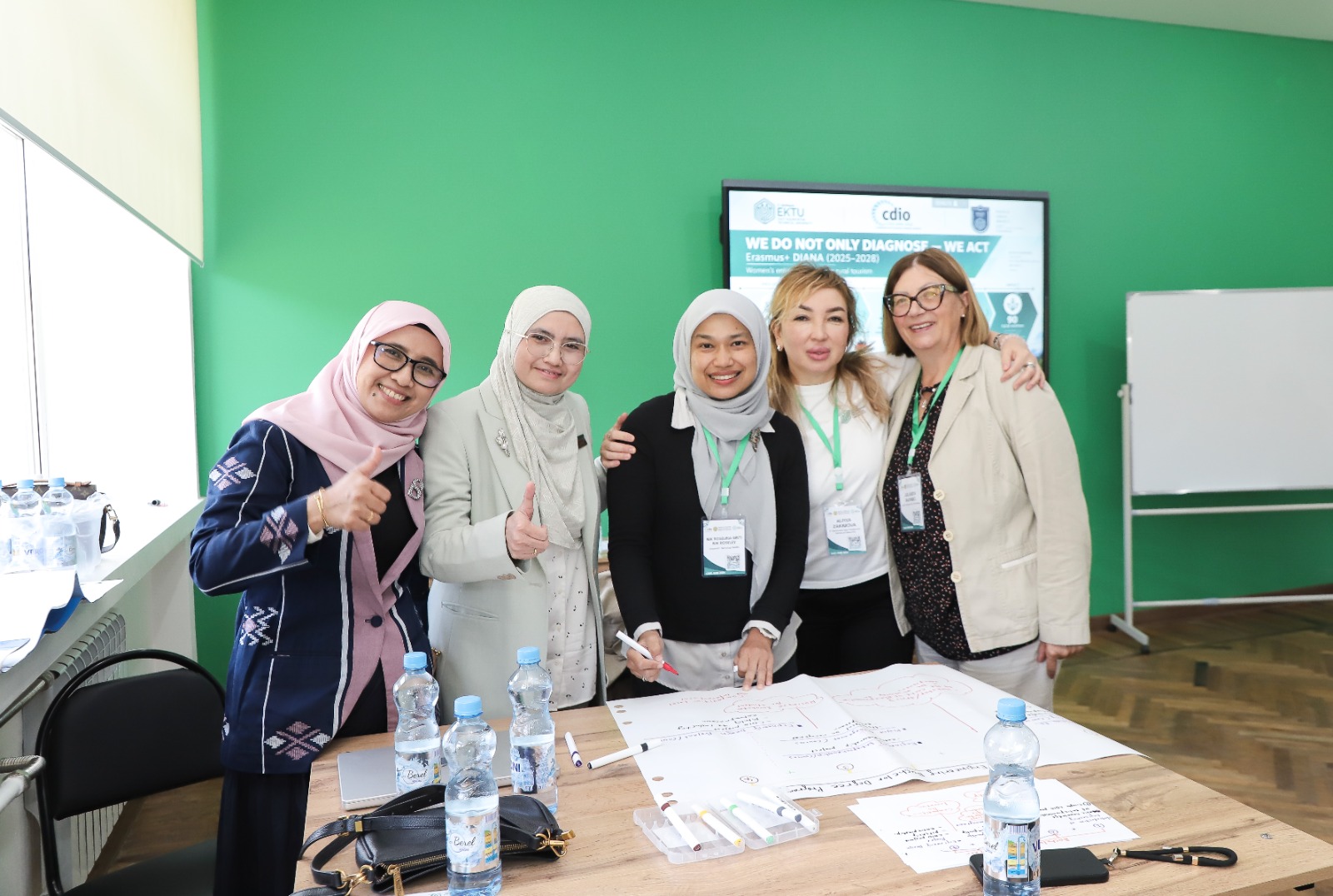
On September 25, 2026, D. Serikbayev East Kazakhstan Technical University hosted the Round Table “From Diagnostics to Action: Transforming the Entrepreneurial Ecosystem of a Technical University through CDIO” as part of the CDIO Asian Regional Meeting 2026 “Next-Gen Engineering: The New Triad of Academia, Industry and AI.” The session was moderated by Alfiya Zakimova, Dean of the Business School at D. Serikbayev EKTU. Held at the University from September 23 to 26, the international CDIO meeting brought together representatives of universities, the research community, and industry to exchange practices and perspectives on modern engineering education.
The Round Table focused on the transition from diagnosing the existing entrepreneurial environment of a technical university to identifying concrete tools for its further development. Participants discussed how universities can create conditions in which a student idea does not remain merely an academic project, but follows a consistent pathway towards a prototype, MVP, testing, interaction with potential customers, and further development. Particular attention was given to the CDIO — Conceive, Design, Implement, Operate approach and its application not only in engineering design but also in entrepreneurship education.
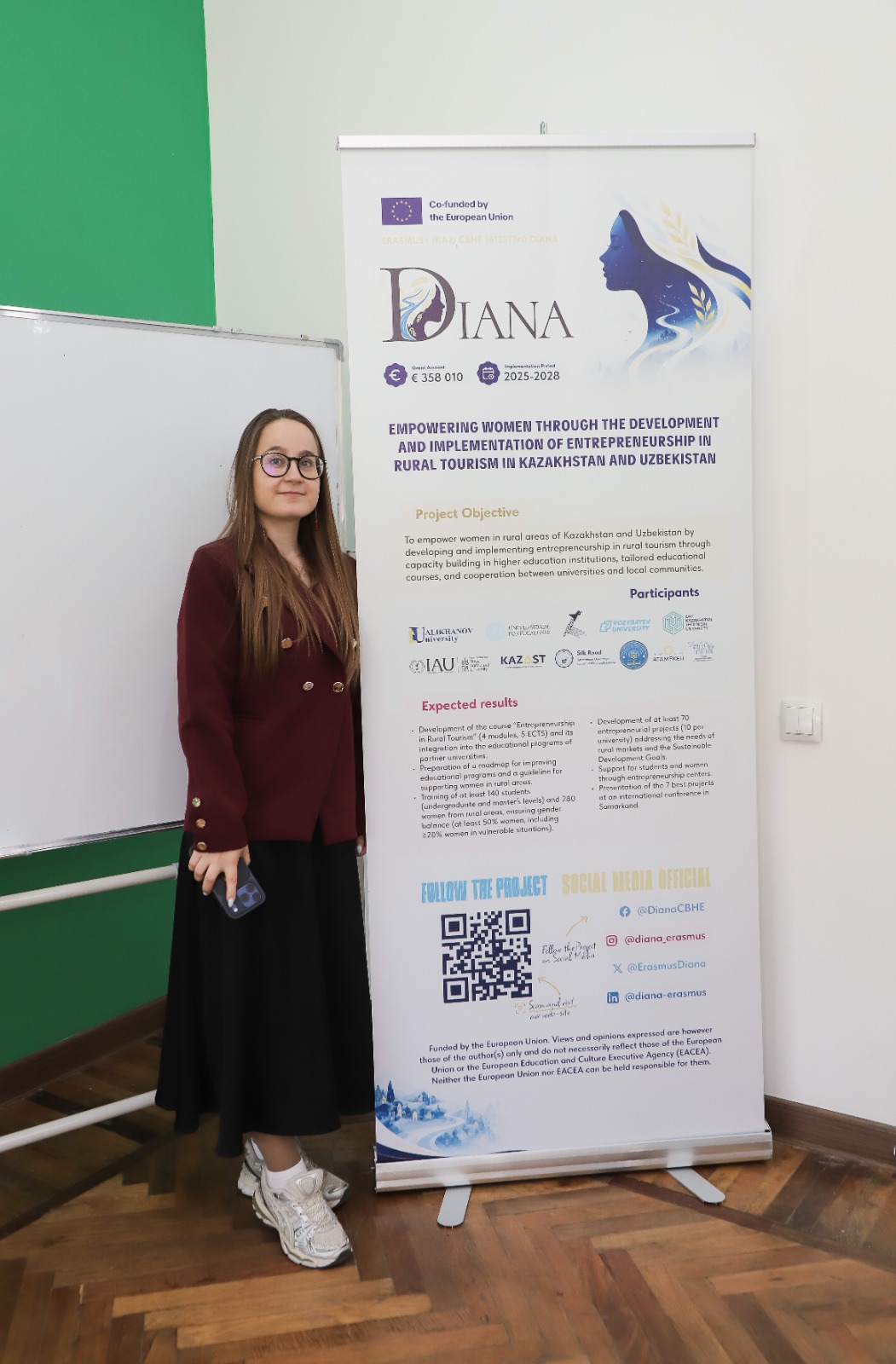
One of the key highlights of the meeting was the international project Erasmus+ CBHE DIANA — “Empowering Women through the Development and Implementation of Rural Tourism Entrepreneurship in Kazakhstan and Uzbekistan.” The project was presented as a practical example of how international university cooperation can contribute to the development of entrepreneurial competencies and create new opportunities for women in rural areas. DIANA is aimed at supporting women’s entrepreneurship in rural tourism in Kazakhstan and Uzbekistan and combines education, practical training, mentoring, the development of entrepreneurial initiatives, and engagement with local communities.
Within the DIANA project, entrepreneurship is viewed not as a separate academic discipline, but as a pathway from knowledge to action. It is important not only to study the fundamentals of business modelling, marketing, or management, but also to learn how to identify entrepreneurial opportunities within one’s own region, develop viable ideas, test them in practice, and bring them to real-world implementation. This approach is particularly relevant for rural areas, where tourism initiatives can help generate new sources of income, support local businesses, and unlock the natural and cultural potential of the regions.
The Round Table was structured around three interconnected areas: Education & CDIO, Resources & Support, and Culture & Motivation. Participants discussed which educational formats can effectively foster entrepreneurial thinking, what resources, consultancy, and mentoring support aspiring entrepreneurs need, and how universities can create an environment in which initiative, willingness to experiment, and the development of one’s own projects become part of the educational culture. In this context, DIANA demonstrated that an international project can serve not only as an educational initiative, but also as an instrument for strengthening the university entrepreneurial ecosystem.
The main outcome of the Round Table was the transition from discussing challenges to defining concrete directions for further action. Participants highlighted the need to strengthen practice-oriented entrepreneurship education, expand mentoring and resource support, involve businesses and local communities more actively, and create conditions for the consistent development of projects — from an initial idea to a sustainable entrepreneurial model. The Erasmus+ CBHE DIANA project became one of the examples of how a university, through international cooperation, can simultaneously develop entrepreneurial competencies, support women’s initiatives, and use education as a tool for the socio-economic development of rural areas.