
Round Table Materials
2026
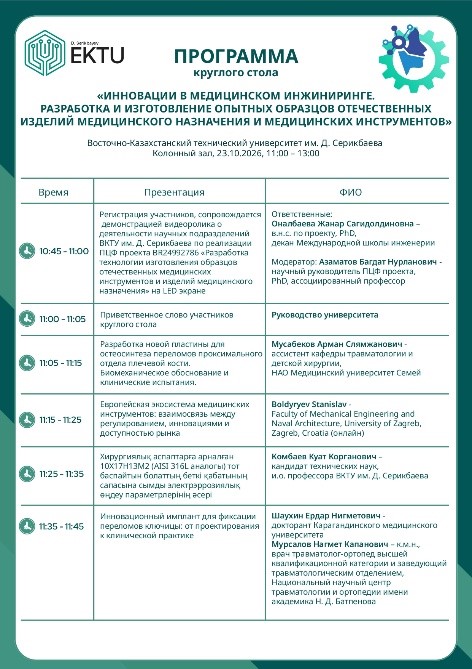
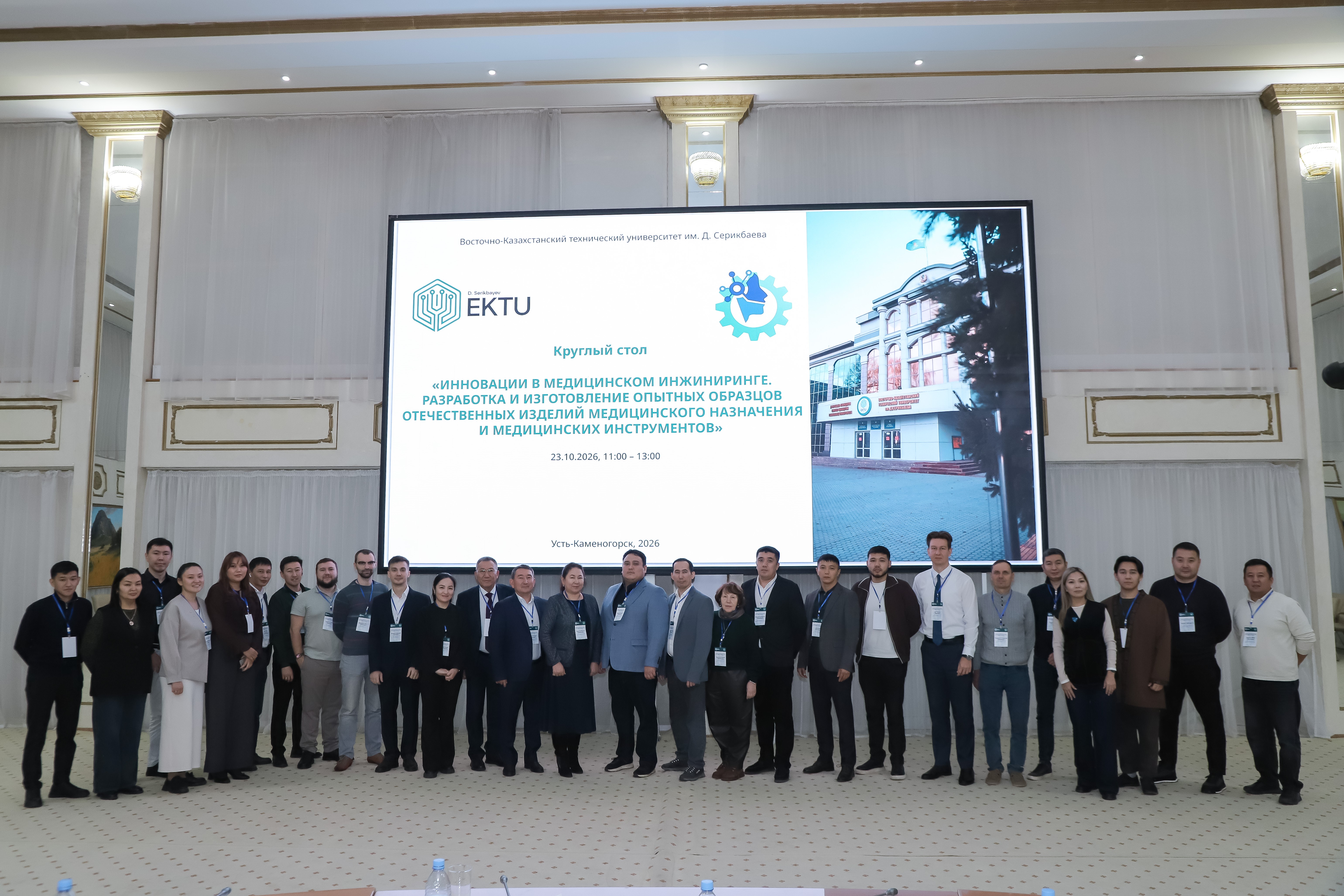
The roundtable entitled “Innovations in Medical Engineering: Development of Technologies for Manufacturing Prototypes of Domestic Medical Instruments and Medical Devices” was held on 23 October 2026 in the Column Hall of D. Serikbayev East Kazakhstan Technical University in Ust-Kamenogorsk. The event was devoted to the outcomes of Project BR24992786, “Development of Technologies for Manufacturing Prototypes of Domestic Medical Instruments and Medical Devices,” implemented in 2024-2026 under the programme-targeted funding of the Ministry of Science and Higher Education of the Republic of Kazakhstan. A total of 35 people participated in the event: 31 attended in person and four joined online. Researchers, engineers and practising physicians discussed the results of the research and prototype manufacturing activities, as well as the prospects for applying the developments in healthcare.
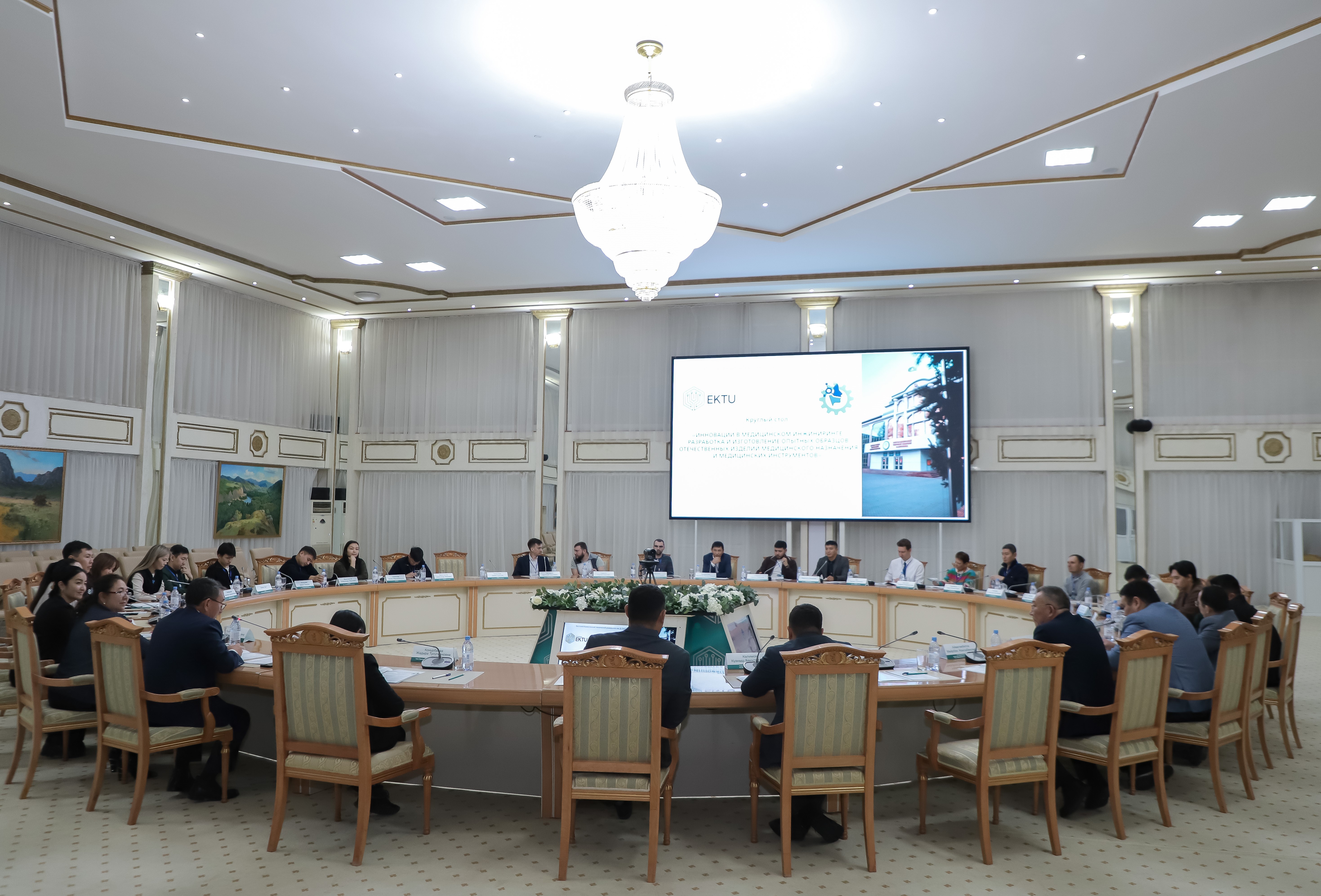
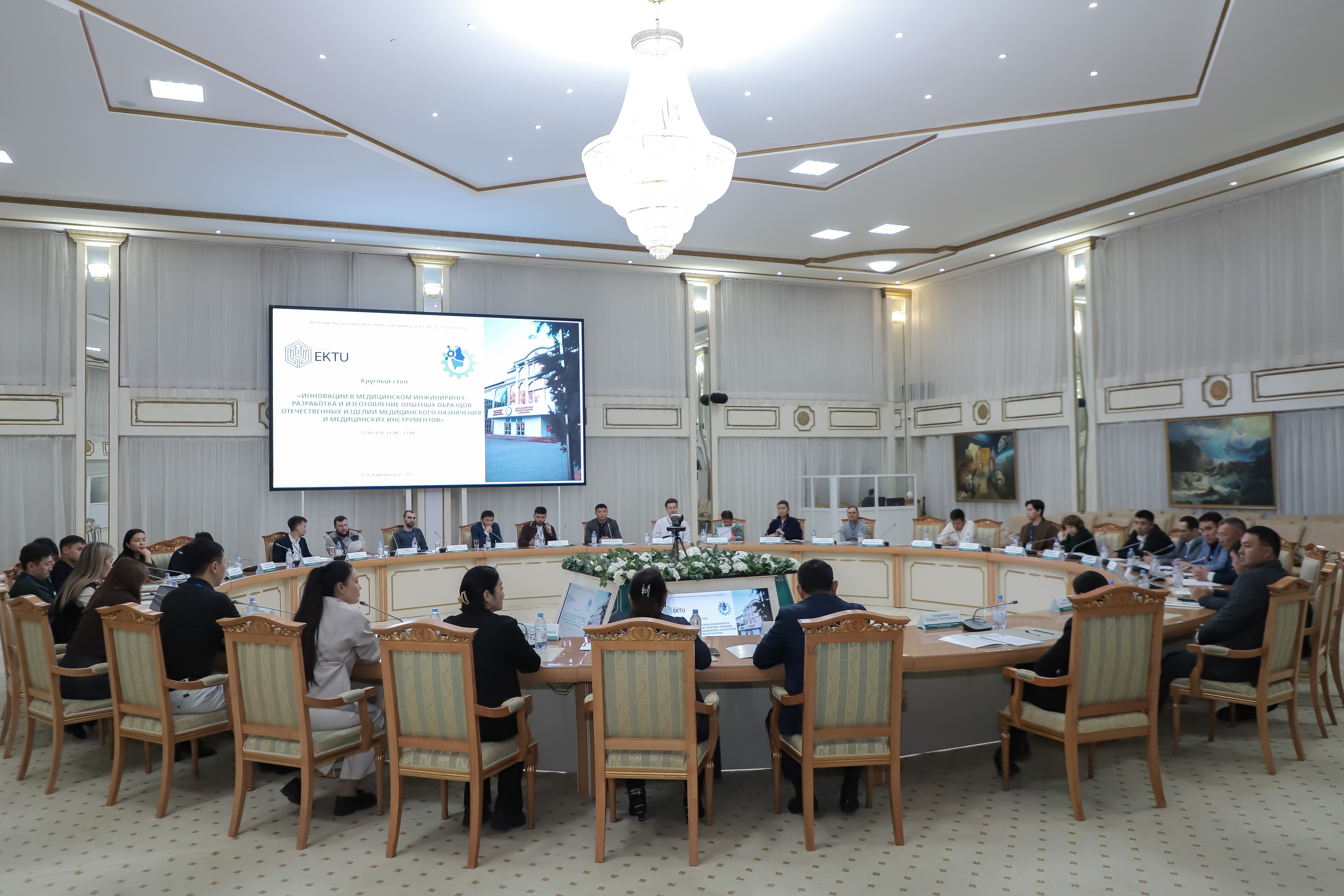
Held in a hybrid format, the event brought together representatives of the scientific, engineering and medical communities of Kazakhstan and other countries. The principal objectives of the roundtable were to present the results of the development and manufacture of prototypes of domestic medical devices and instruments, discuss opportunities for their practical application, and expand cooperation among researchers, engineers, healthcare organisations and potential users of the developed products.
Participants included staff from D. Serikbayev East Kazakhstan Technical University, Semey Medical University, Karaganda Medical University, the Academician N.D. Batpenov National Scientific Centre of Traumatology and Orthopaedics, the University of Zagreb and Texas A&M University, as well as practising physicians and specialists from healthcare organisations in the East Kazakhstan Region. The participants represented traumatology and orthopaedics, surgery, medical engineering, materials science, digital design, machining and functional coating technologies.
A substantial part of the programme focused on developments designed to address specific challenges in traumatology, orthopaedics and surgery.
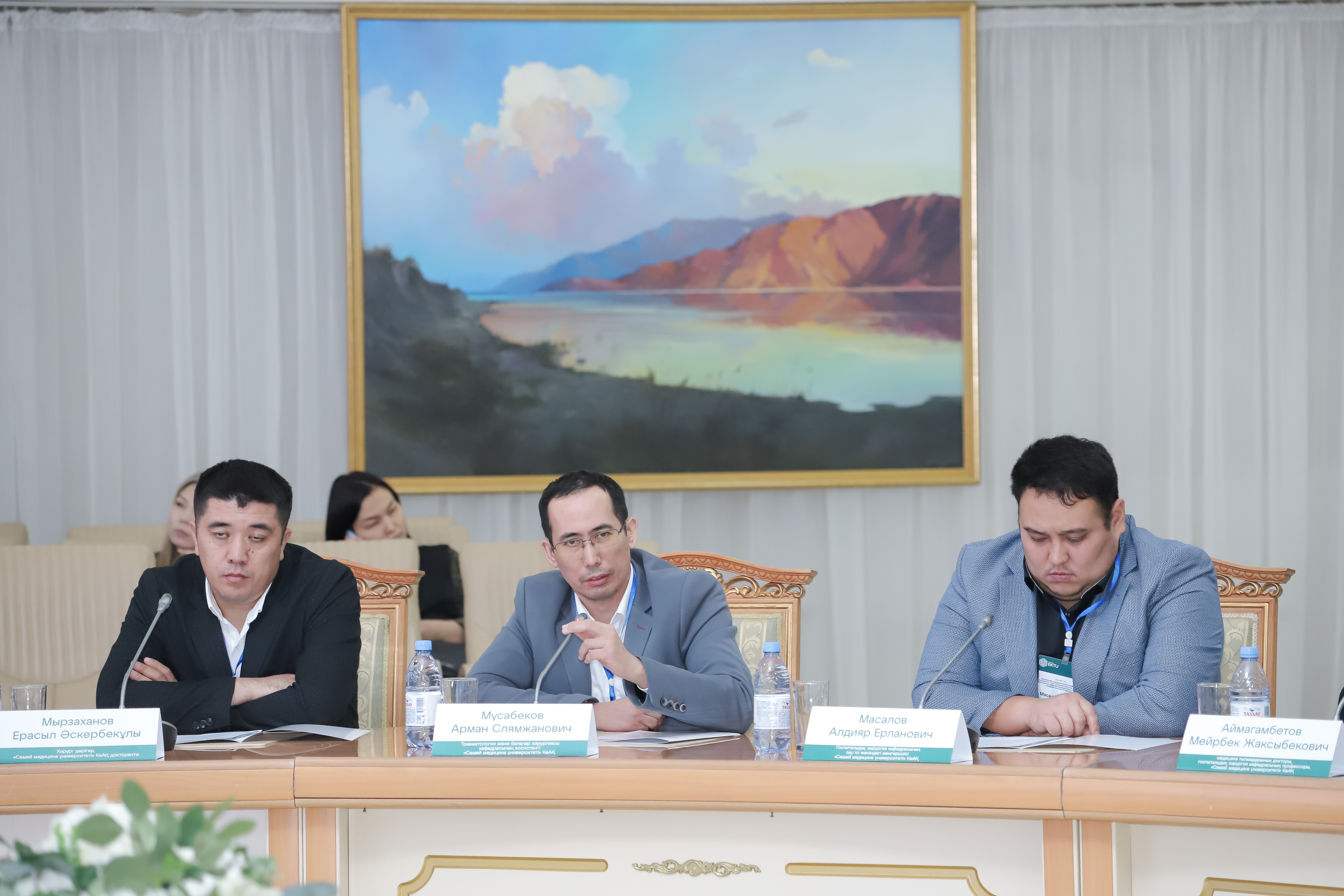
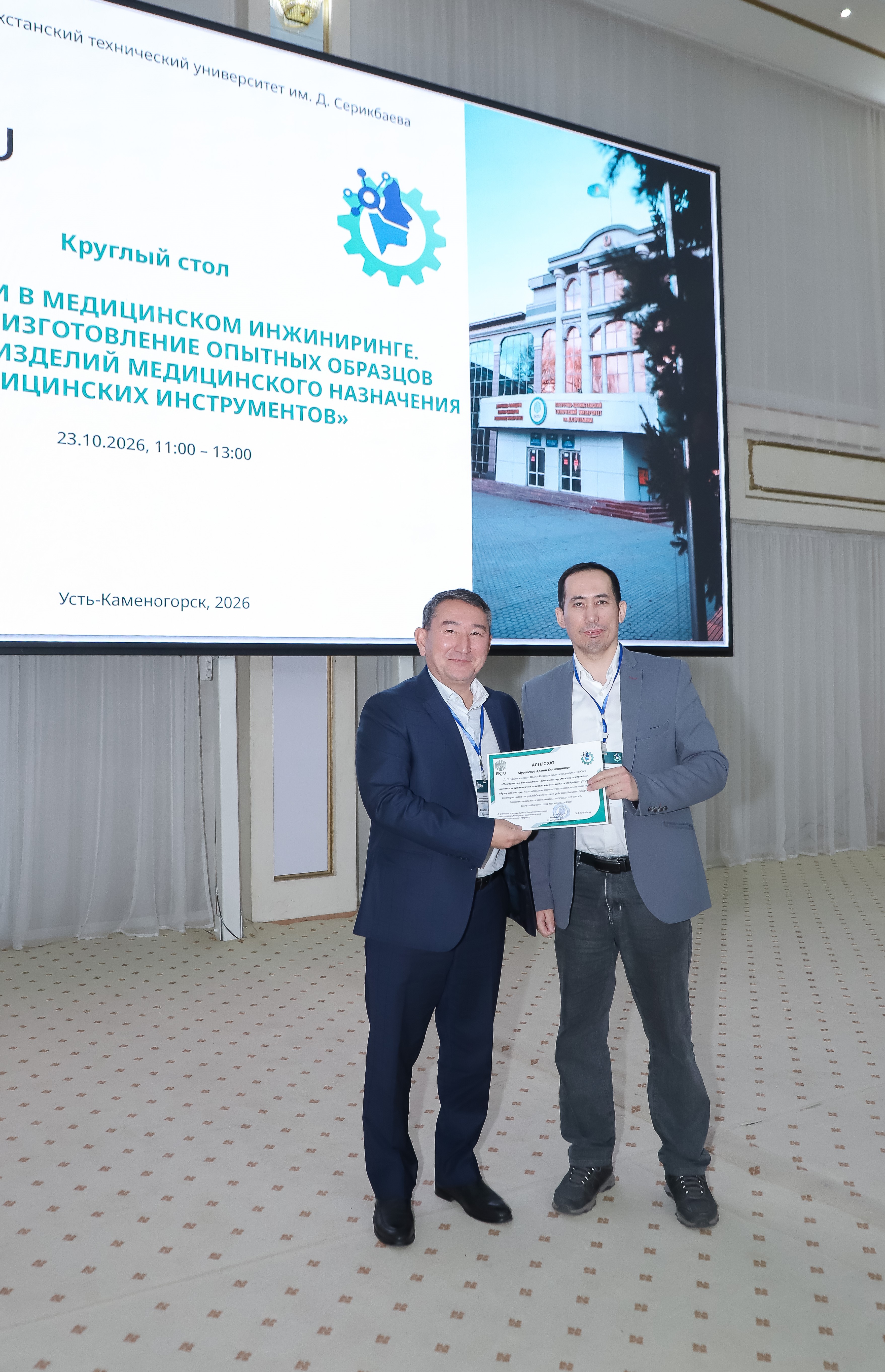
Arman Slyamzhanovich Musabekov, Assistant at the Department of Traumatology and Paediatric Surgery of Semey Medical University, presented the results of work on a new plate for osteosynthesis of proximal humeral fractures. His presentation covered the device’s design features, biomechanical rationale and clinical trial considerations. Particular attention was paid to ensuring that the design corresponded to the anatomical characteristics of the injured area and provided the required stability for fixation of bone fragments.
Yerdar Nigmetovich Shaukhin, a doctoral student at Karaganda Medical University, and Nagmet Kapanovich Mursalov, Candidate of Medical Sciences and Head of the Trauma Department at the Academician N.D. Batpenov National Scientific Centre of Traumatology and Orthopaedics, presented an innovative implant for clavicle fracture fixation. Their presentation covered the principal stages of product development, from defining medical requirements and designing the device to assessing its prospects for use in clinical practice.
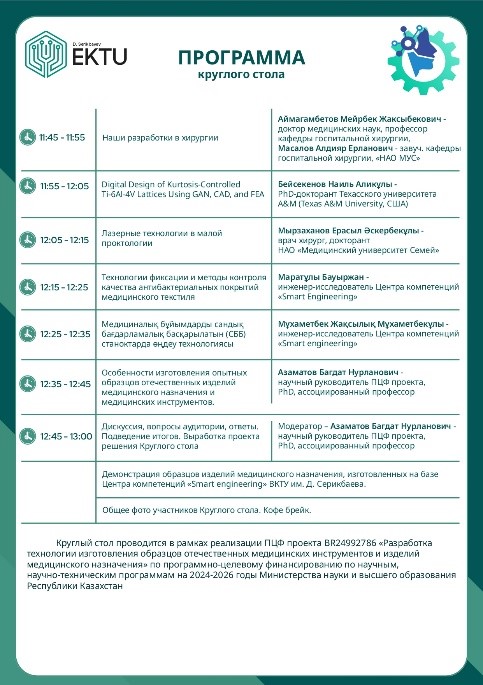
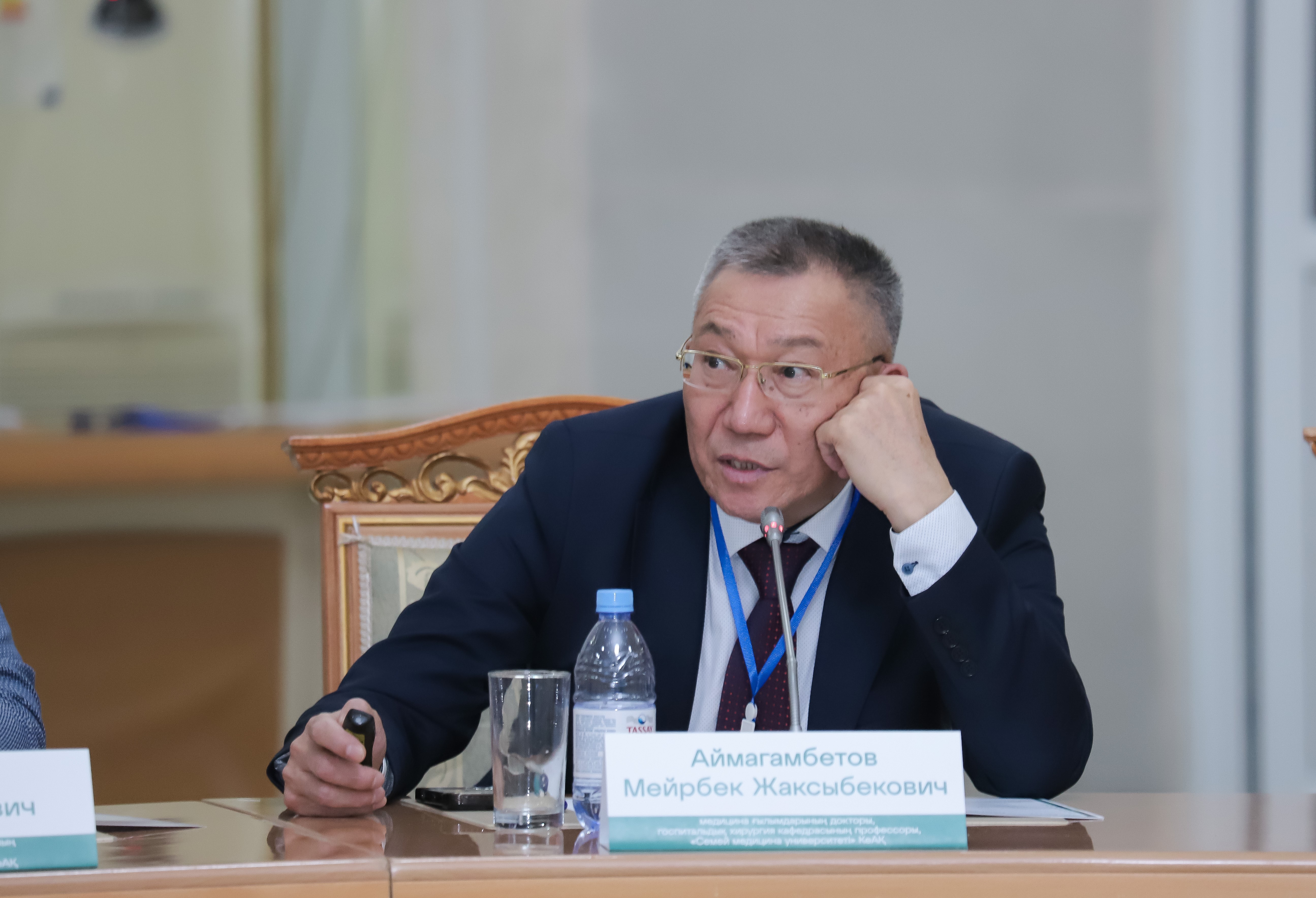
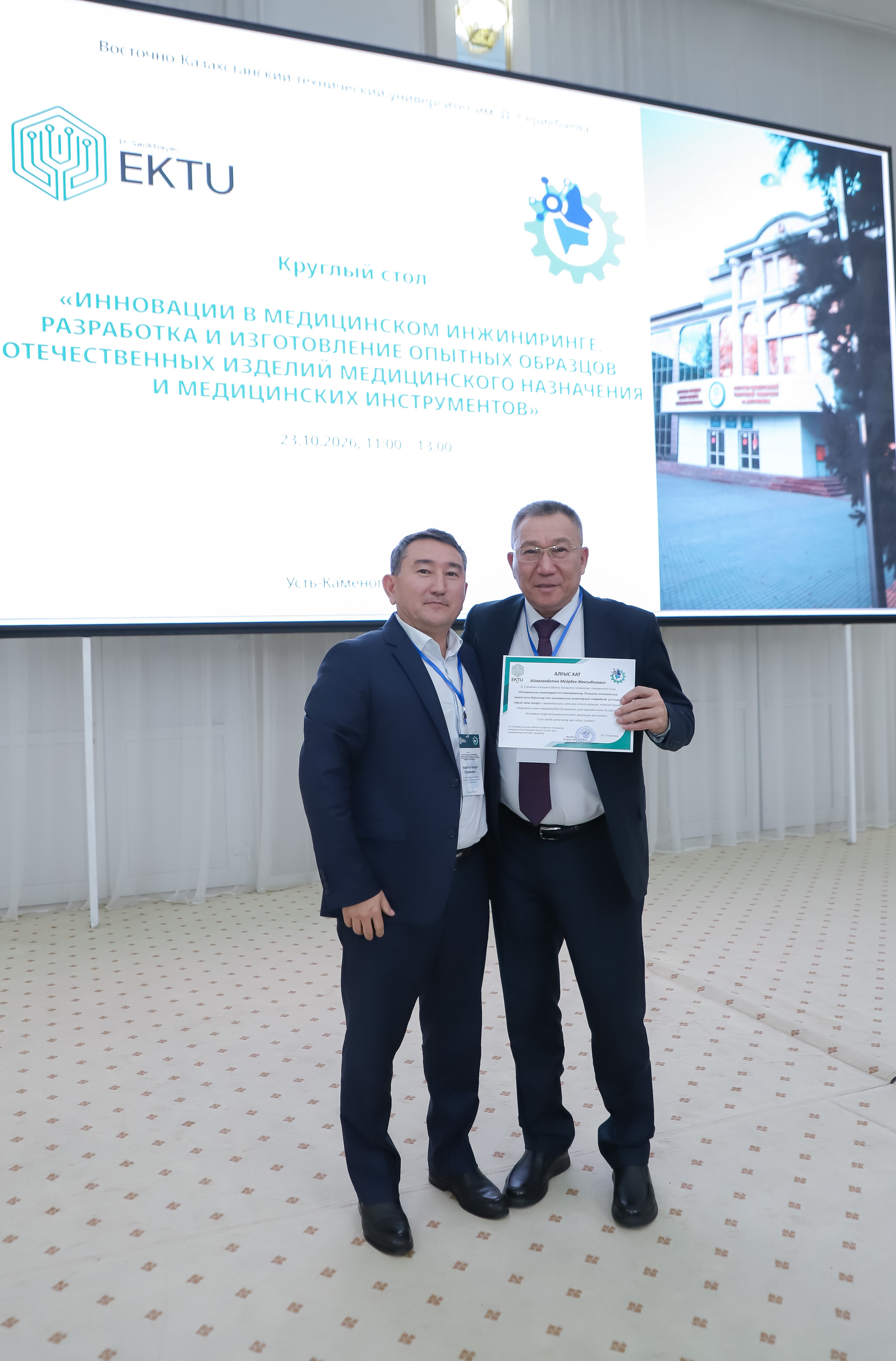
Meirbek Zhaksybekovich Aimagambetov, Professor at the Department of Hospital Surgery of Semey Medical University, and Aldiyar Yerlanovich Masalov, the Department’s Head of Academic Affairs, introduced participants to the University’s developments in surgery. The materials presented demonstrated the importance of interdisciplinary collaboration in creating new instruments and devices that respond to the practical needs of surgical departments.
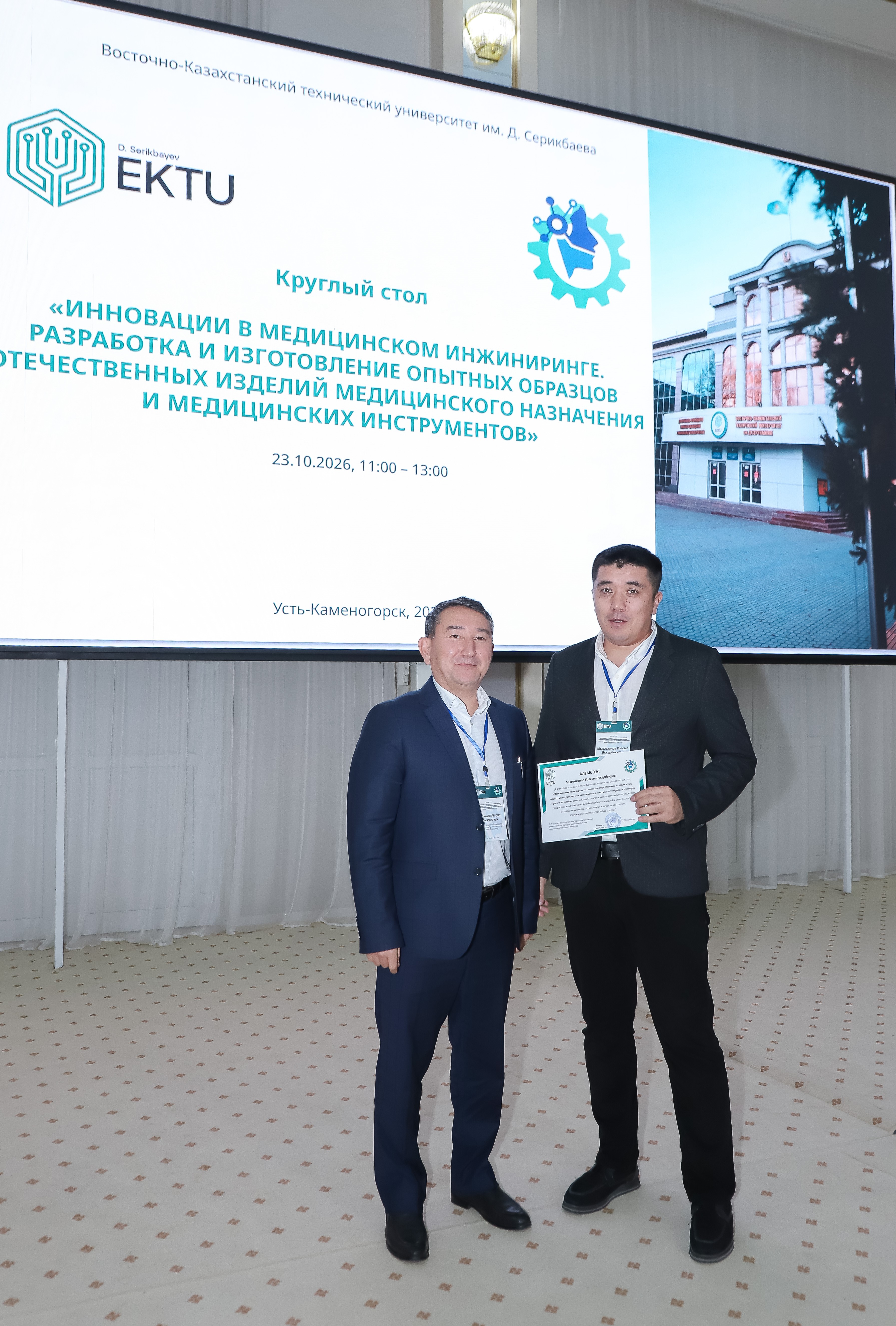
Yerasyl Askerbekuly Myrzakhanov, a surgeon and doctoral student at Semey Medical University, delivered a presentation on the application of laser technologies in minor proctology. He discussed the use of laser equipment in minimally invasive procedures and the advantages of modern technological approaches for improving surgical precision and shortening patients’ recovery periods.
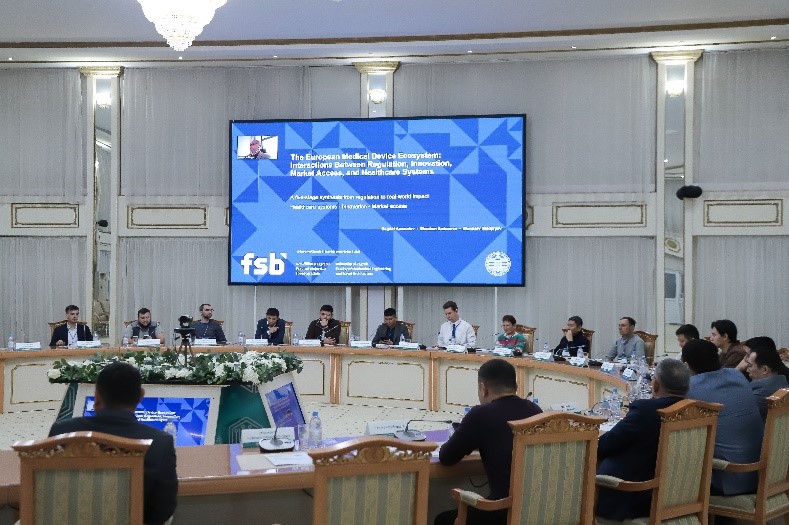
The international segment of the programme was opened by Professor Stanislav Boldyryev of the University of Zagreb. His presentation examined the European medical-instrument ecosystem and the relationship between regulation, innovation and market access for medical devices. It addressed conformity-assessment procedures, verification of device safety and performance, and the need to consider regulatory requirements from the earliest stages of design. The European experience presented is of practical relevance to developers in Kazakhstan, since the creation of a competitive medical device involves not only developing the manufacturing technology but also preparing the supporting evidence and the required technical and regulatory documentation.
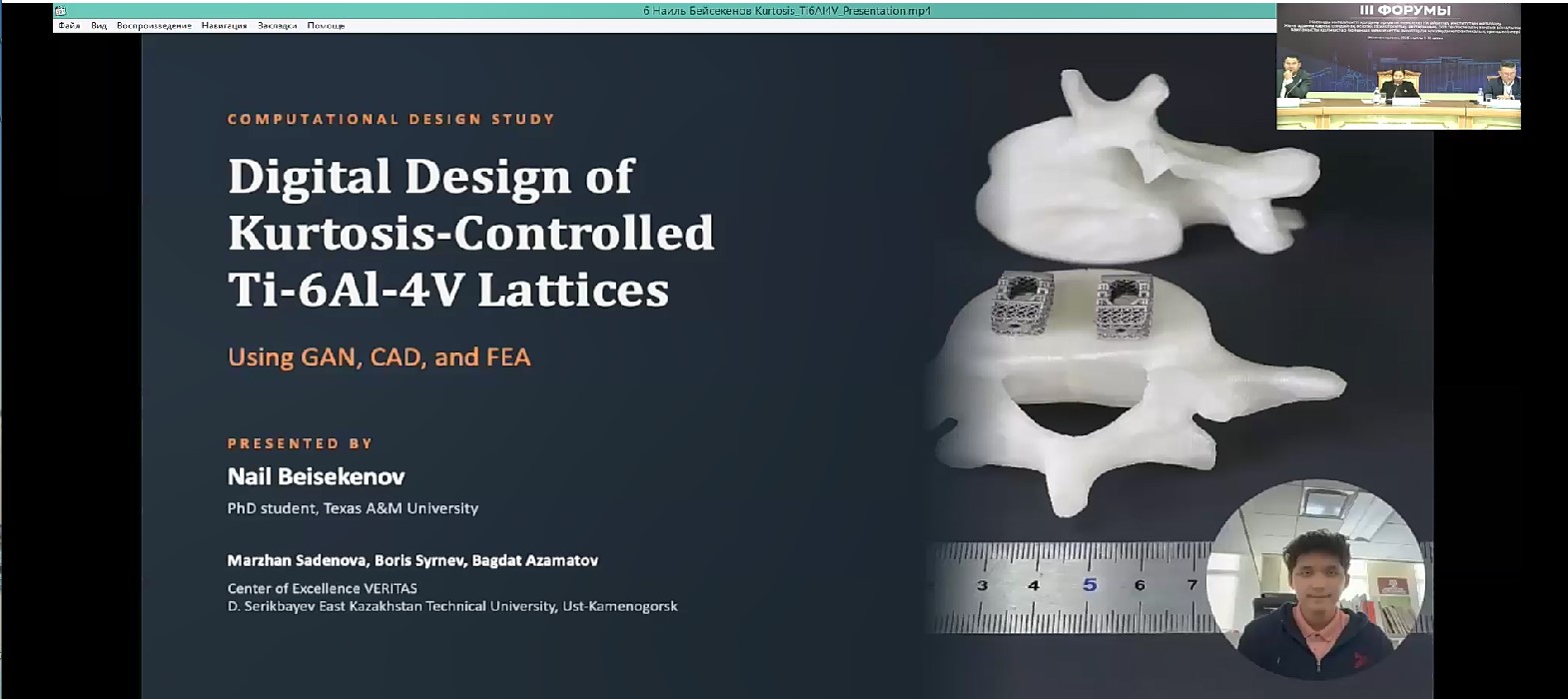
Nail Alikuly Beisekenov, a PhD candidate at Texas A&M University, presented a study on the digital design of lattice structures made from the Ti-6Al-4V titanium alloy. Generative neural networks, computer-aided design systems and finite element analysis were used to develop these structures. Digital methods make it possible to control the geometry and mechanical properties of lattice structures, reduce product weight and tailor their properties to anticipated operating conditions. This approach is promising for the further development of patient-specific implants and other medical devices with complex three-dimensional structures.
A separate group of presentations addressed technological aspects of production.
Bauyrzhan Maratuly, Research Engineer at the Smart Engineering Competence Centre, presented technologies for securing antibacterial coatings to medical textiles and methods for assessing their quality. Such coatings are intended to reduce the risk of microbial contamination and broaden the functional capabilities of medical textiles.
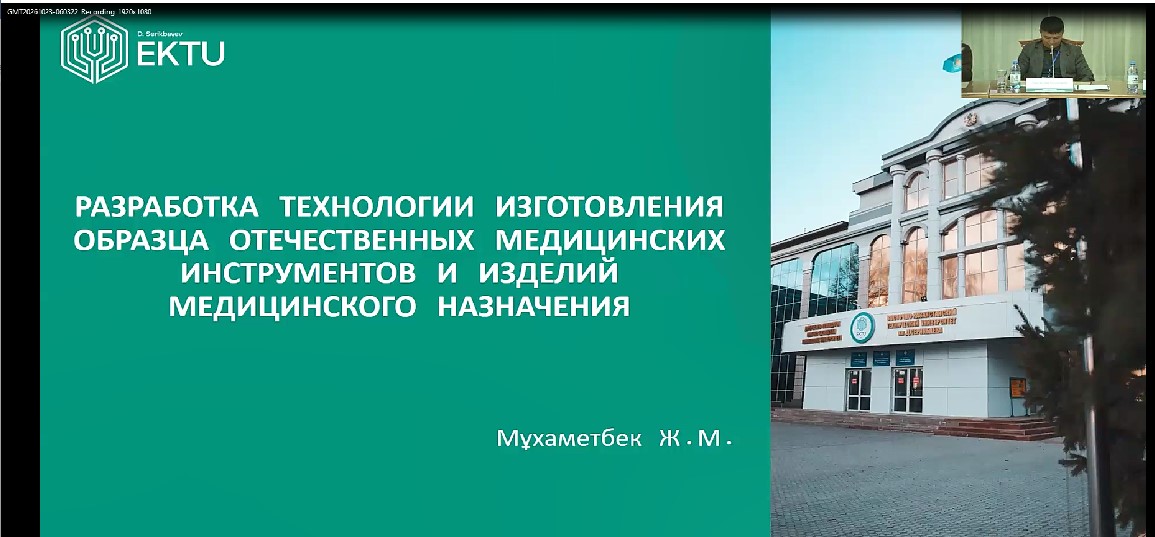
Zhaksylyk Mukhametbekuly Mukhametbek, Research Engineer at the Smart Engineering Competence Centre, discussed technologies for machining medical devices on computer numerical control machines. He demonstrated the capabilities of modern equipment for manufacturing parts with complex geometries while ensuring high dimensional accuracy, repeatability of technological operations and the required surface quality.
Bagdat Nurlanovich Azamatov, PhD, Associate Professor and Scientific Project Leader, summarised the results of the project’s implementation in 2024–2026. His presentation systematised the principal scientific, technological and practical results obtained by the research team over the three-year period.
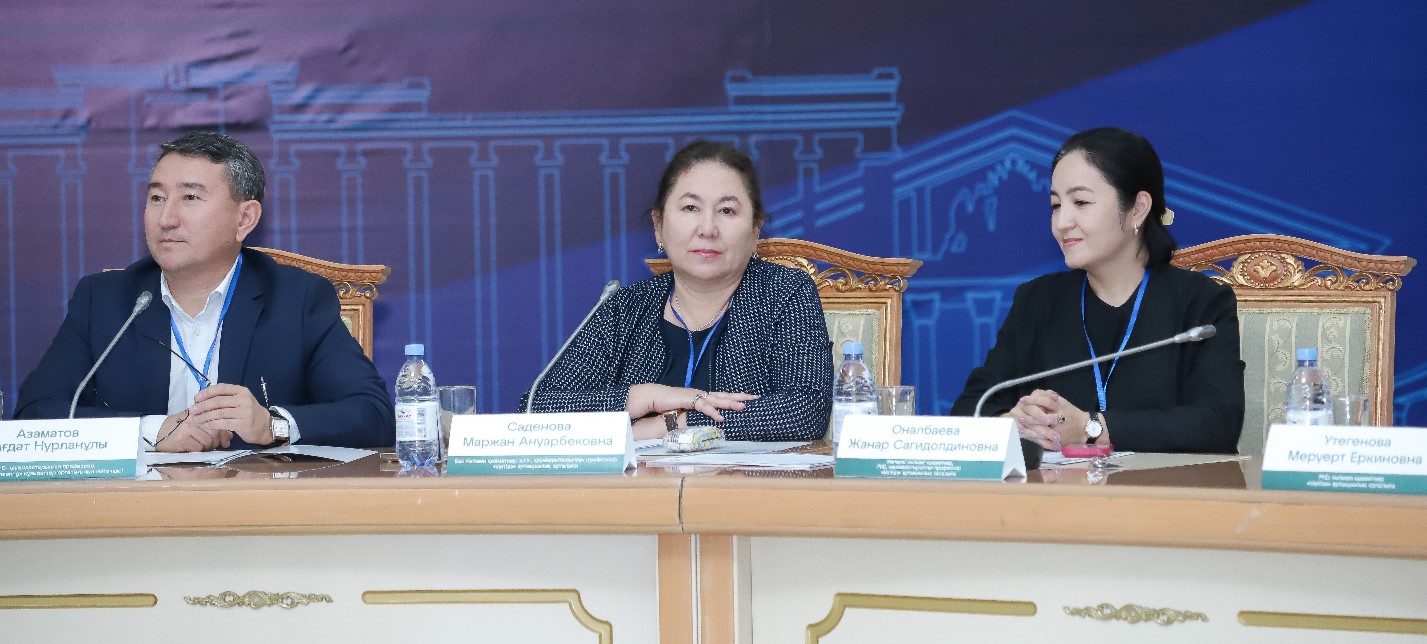
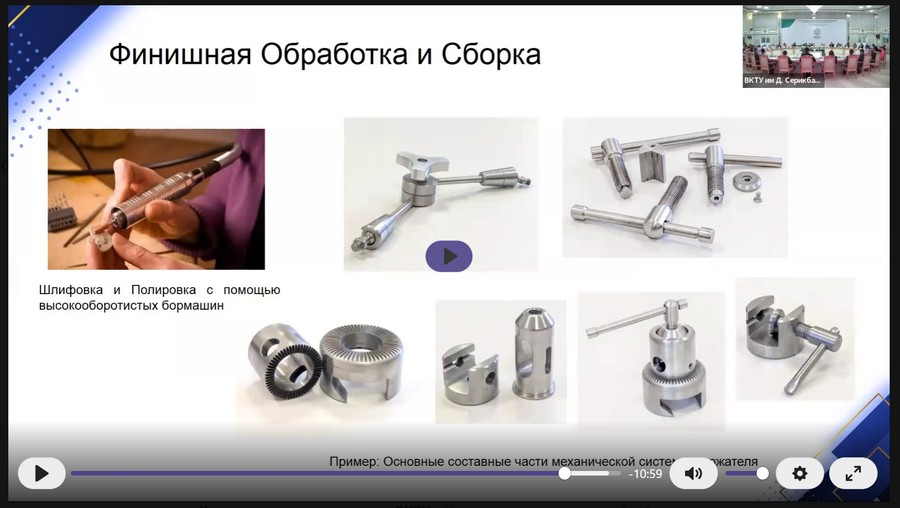
Particular attention was paid to the stages involved in developing domestic medical devices: analysing clinical needs, defining technical requirements, selecting materials, digital design, manufacturing parts and prototypes, mechanical and finishing operations, applying functional coatings, and assessing the quality of finished products.
The project results demonstrated that EKSTU’s scientific and manufacturing infrastructure is capable of carrying out the full cycle of work, from developing a medical-device concept to producing its prototype. An important outcome was the establishment of sustained cooperation between University researchers and practising physicians, who contributed to defining the tasks, discussing the designs and assessing the prospects for practical application.
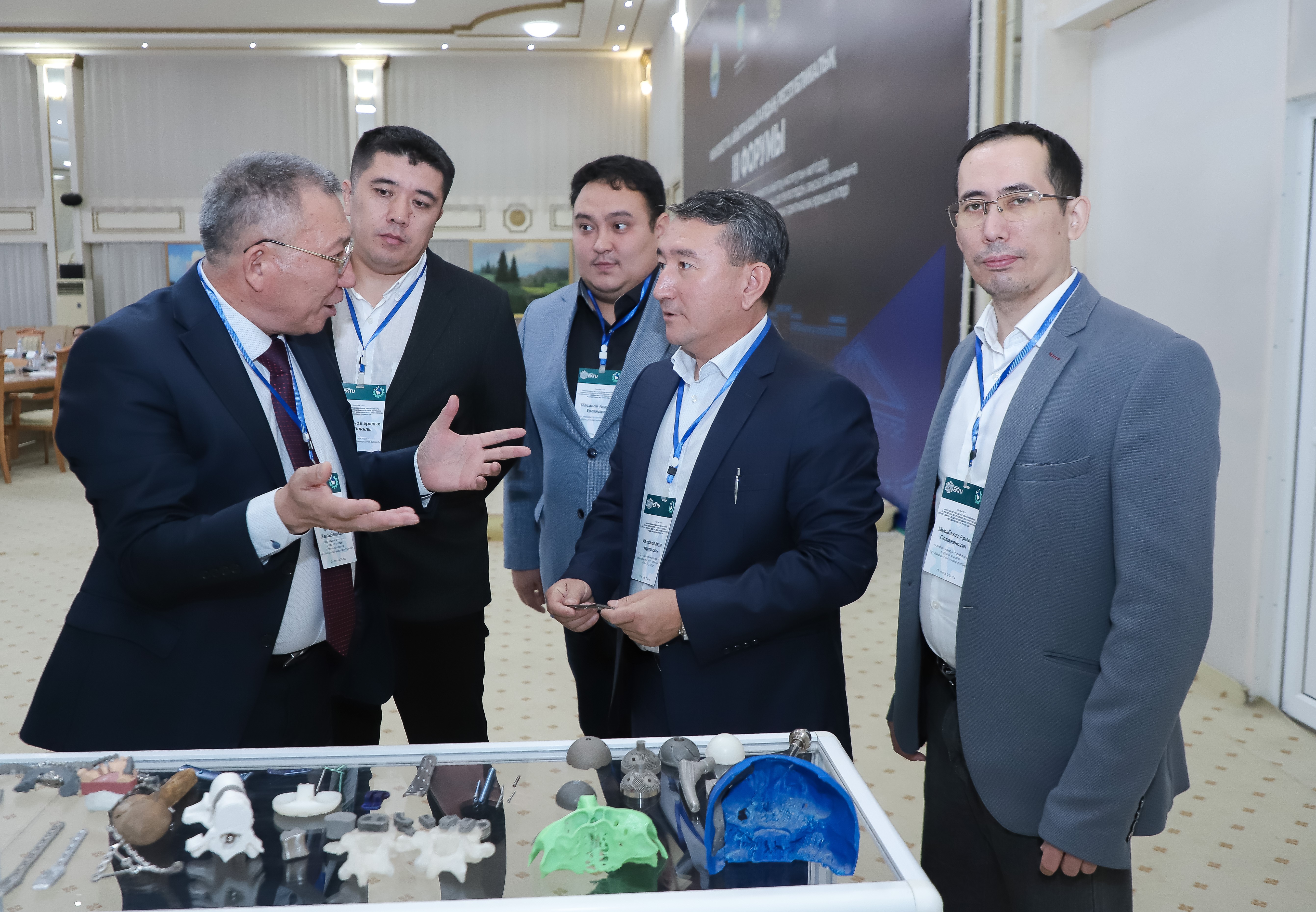
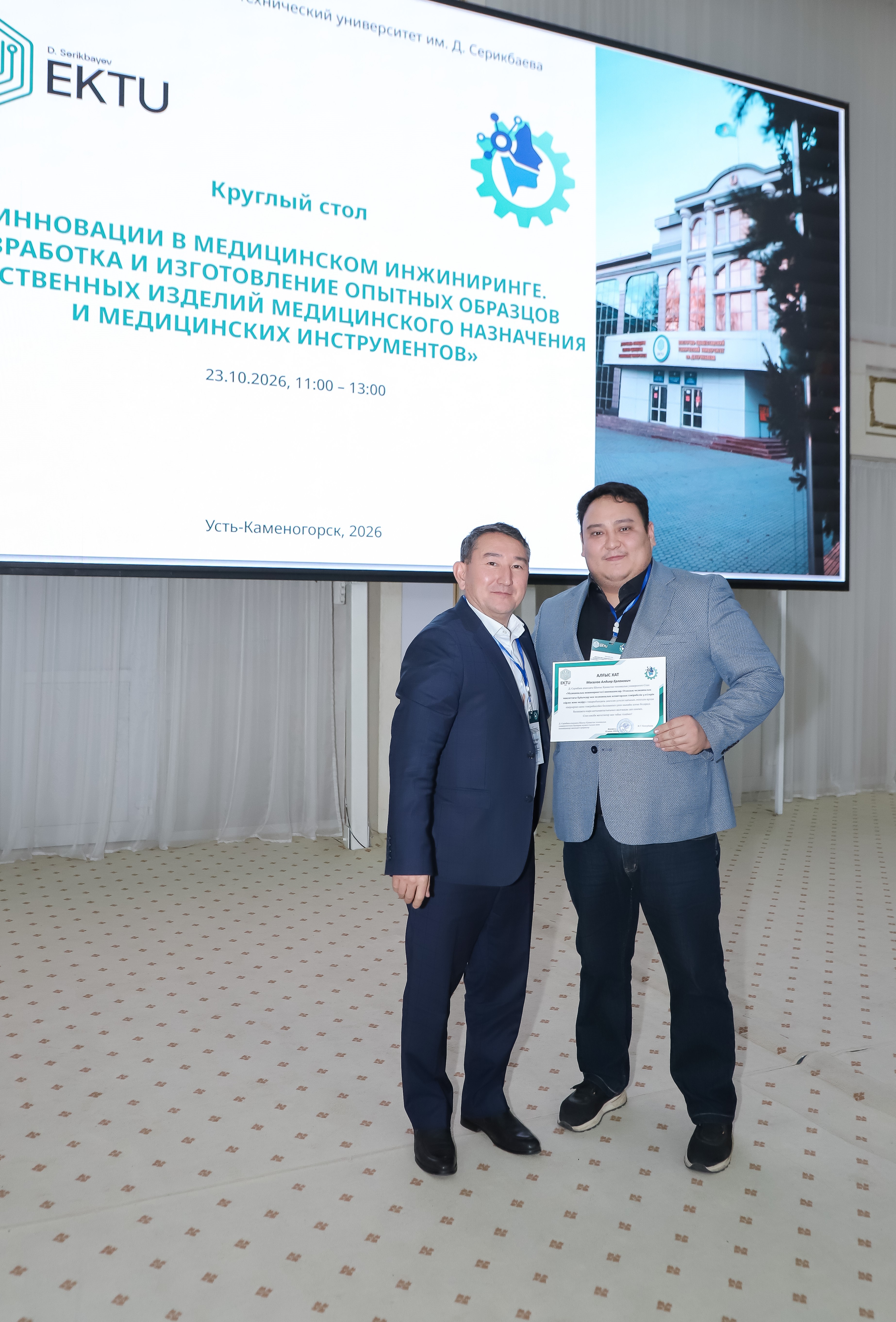
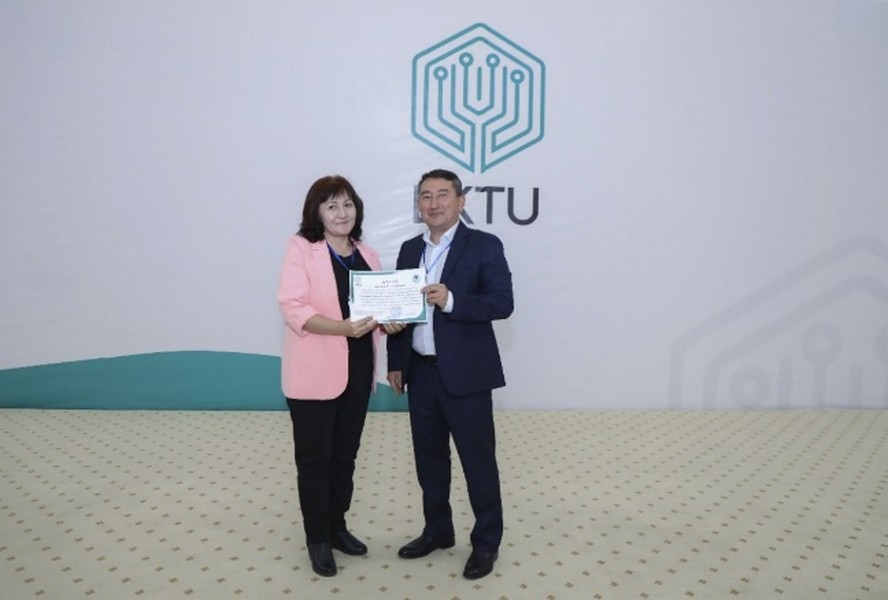
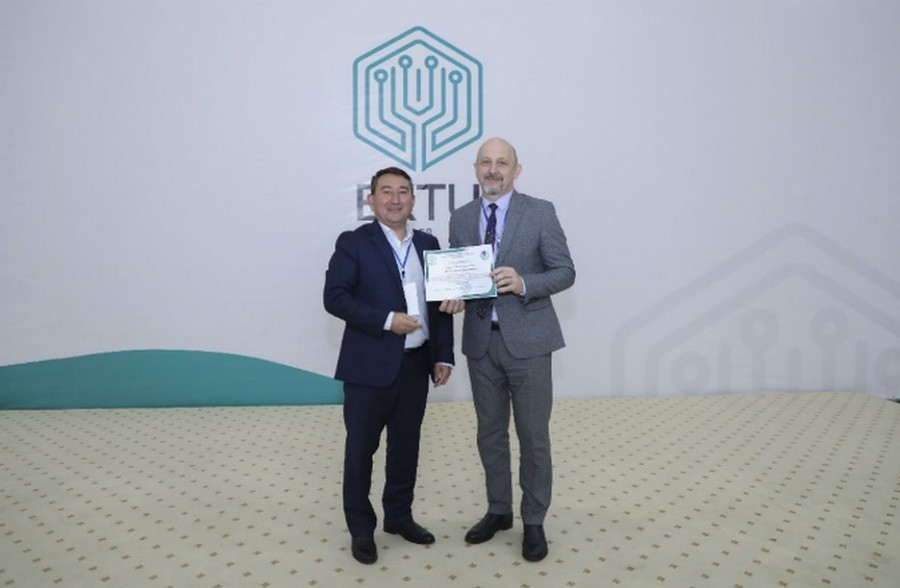
The practical component of the event included a video presentation on the work undertaken, available at https://storage.ektu.kz/nextcloud/index.php/s/8ete5TbAzDXzFm5, and an exhibition of prototype medical devices manufactured at the Smart Engineering Competence Centre of EKSTU. Participants were able to examine the developments directly, ask questions of the researchers and engineers, and discuss the design features of the devices and possible directions for their further improvement. All researchers who delivered presentations received letters of appreciation.
During the concluding discussion, participants emphasised the importance of developing domestic medical engineering and the need to continue collaboration among technical universities, medical universities, research centres, healthcare institutions and manufacturing organisations.
2025
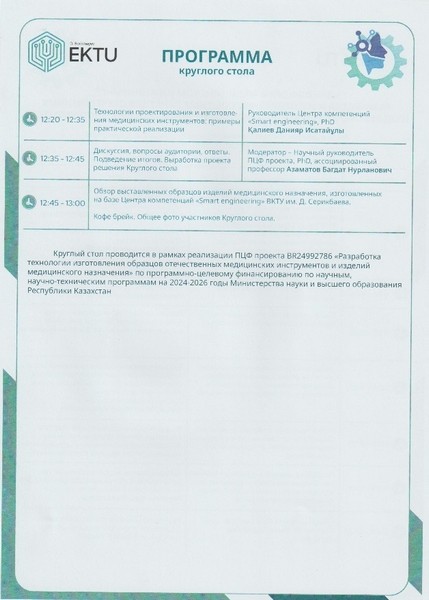
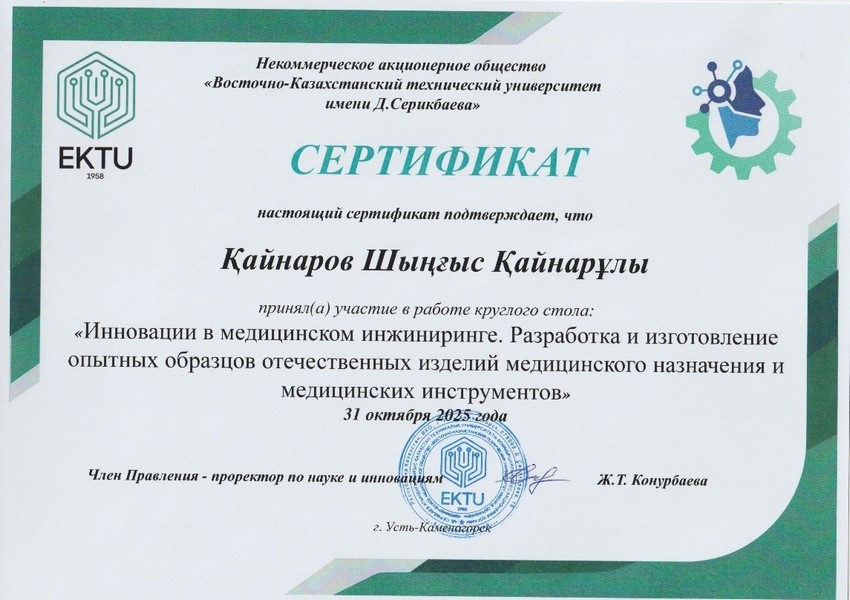
The round table "Innovations in Medical Engineering: Development of Technologies for Manufacturing Prototypes of Domestic Medical Instruments and Medical Devices" was held on October 31, 2025, in Ust-Kamenogorsk, at D. Serikbayev East Kazakhstan Technical University (Column Hall). The event was organized within the framework of the PCF project BR24992786 "Development of Technologies for Manufacturing Prototypes of Domestic Medical Instruments and Medical Devices", funded by the Ministry of Science and Higher Education of the Republic of Kazakhstan.
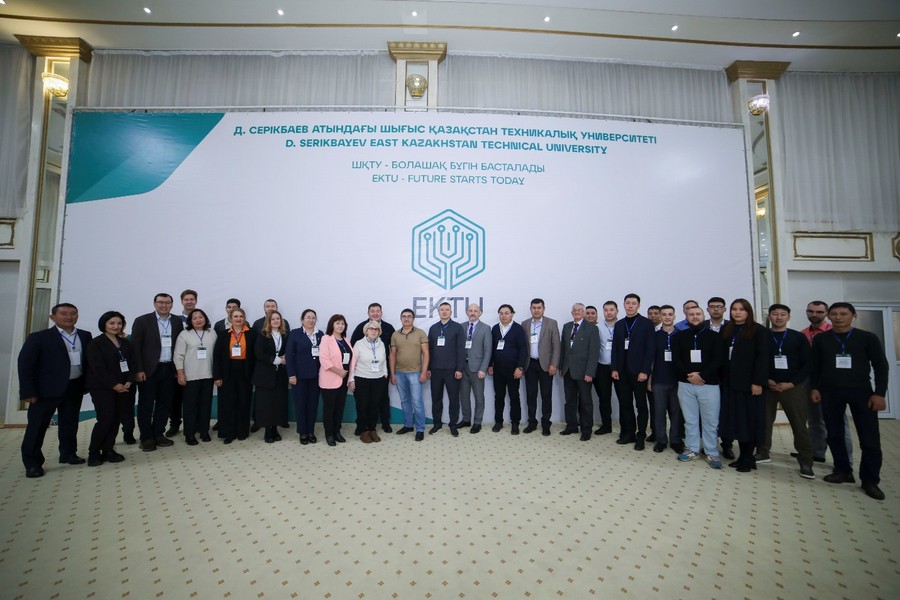
A total of 40 participants attended the event, including 34 offline and 6 online attendees. The round table brought together like-minded specialists aiming to integrate the best achievements in science, engineering, experience, ideas, and business to advance the field of medical engineering.
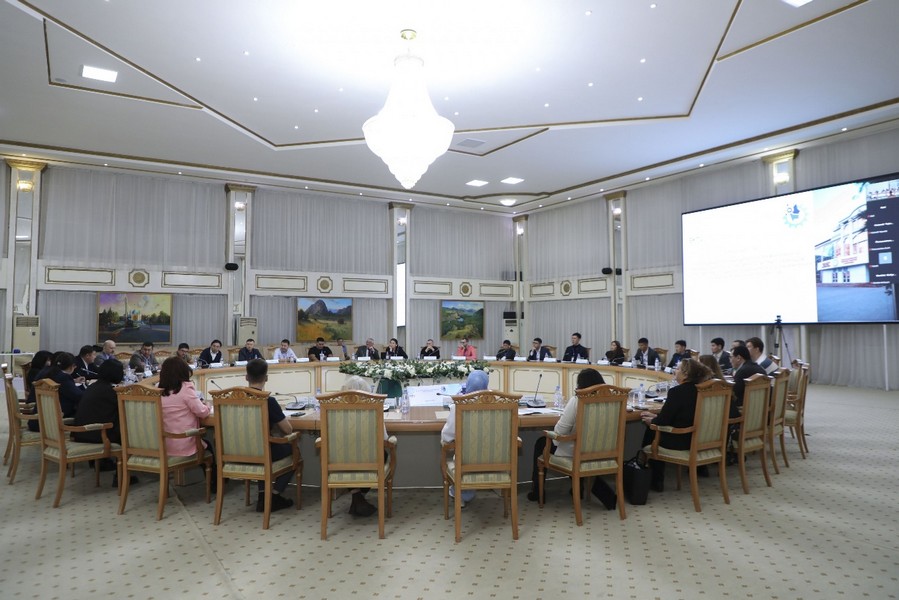
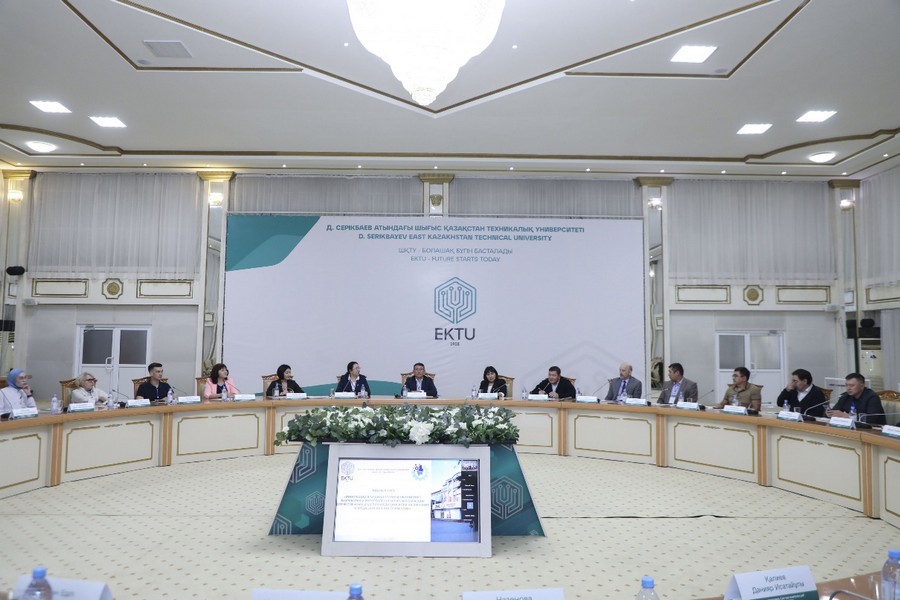
The event featured presentations from representatives of scientific and medical institutions, including the Kazakh Research Institute of Oncology and Radiology (Almaty), the National Scientific Center of Traumatology and Orthopedics named after Academician N.D. Batpenov (Astana), National Laboratory Astana, the Institute of Metallurgy and Ore Beneficiation of Satbayev University, Kyungsung University (Busan, South Korea), and several others.
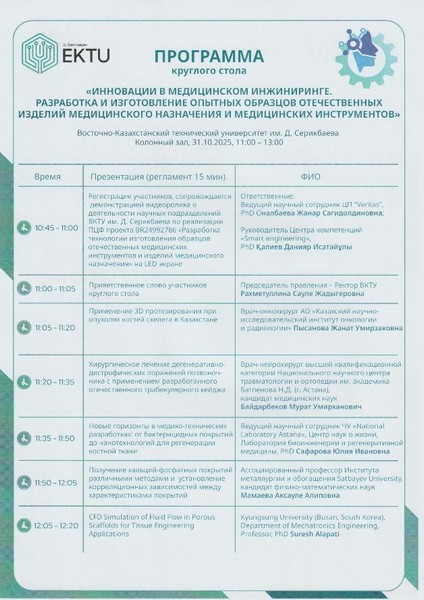
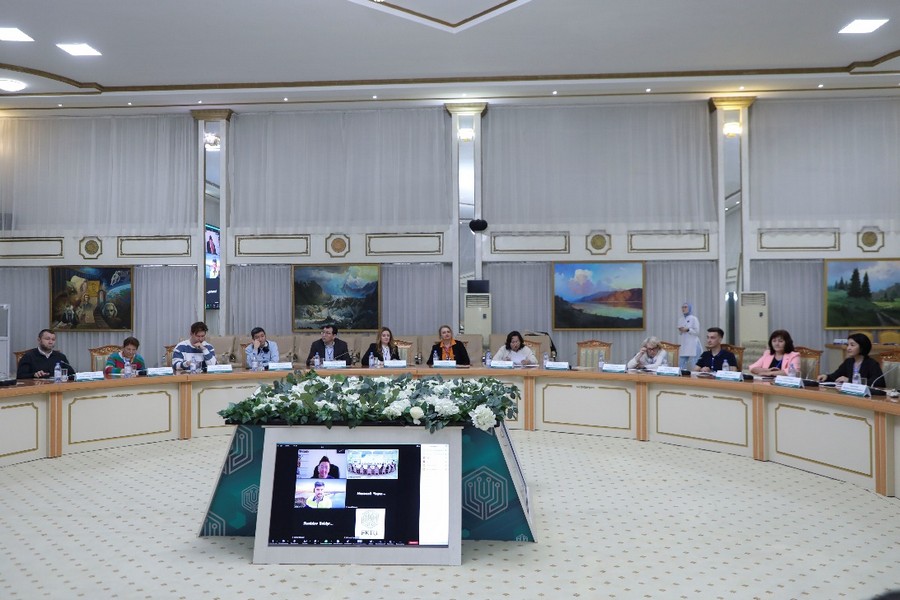
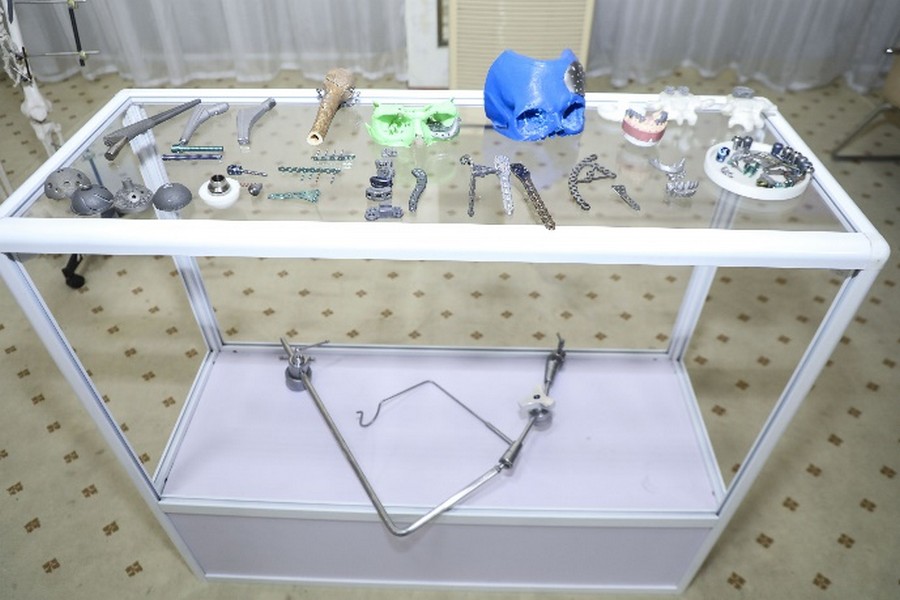
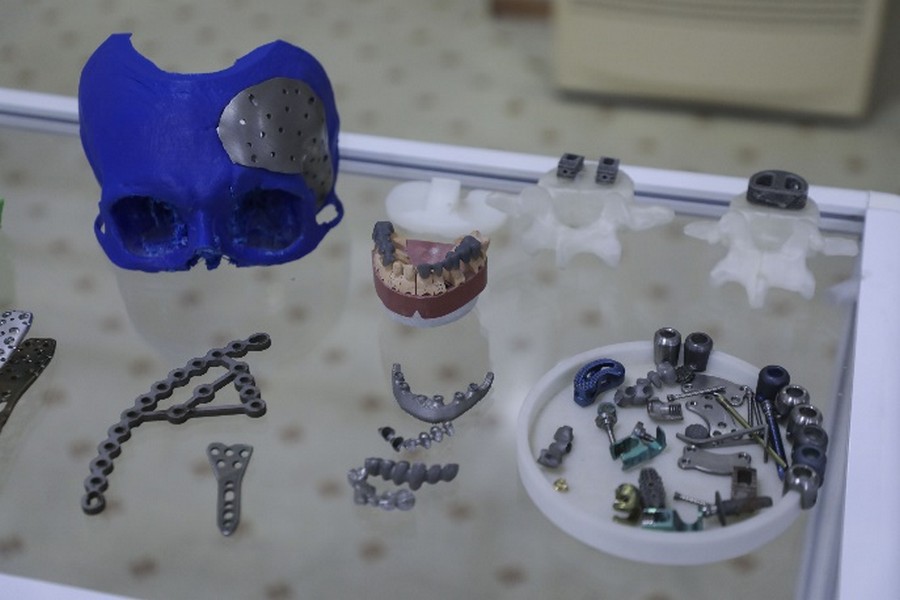
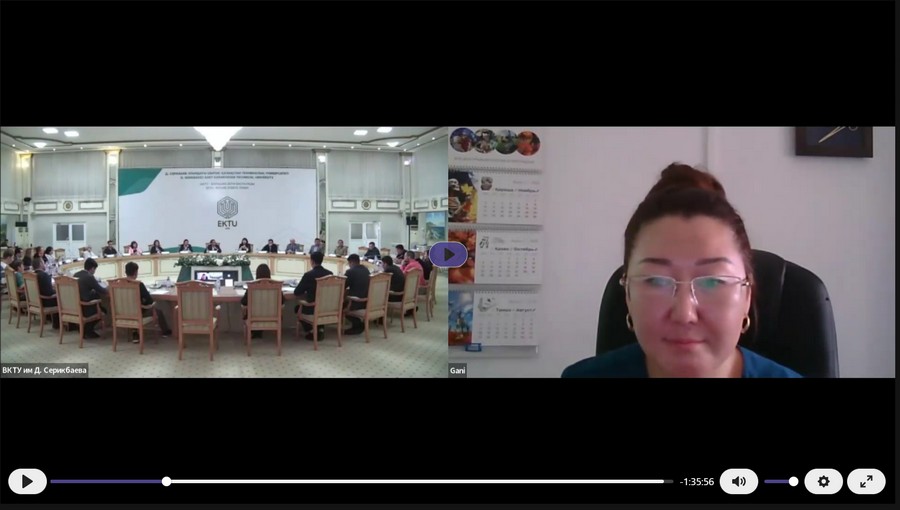
In her online presentation, Zhanat Umirzakovna Pysanova, oncological surgeon at the Kazakh Research Institute of Oncology and Radiology, presented the results of using patient-specific constructions manufactured with 3D-printing technology. These constructions expand the possibilities for performing organ-preserving surgical interventions (including joint-preserving surgeries) for patients with onco-orthopedic conditions.
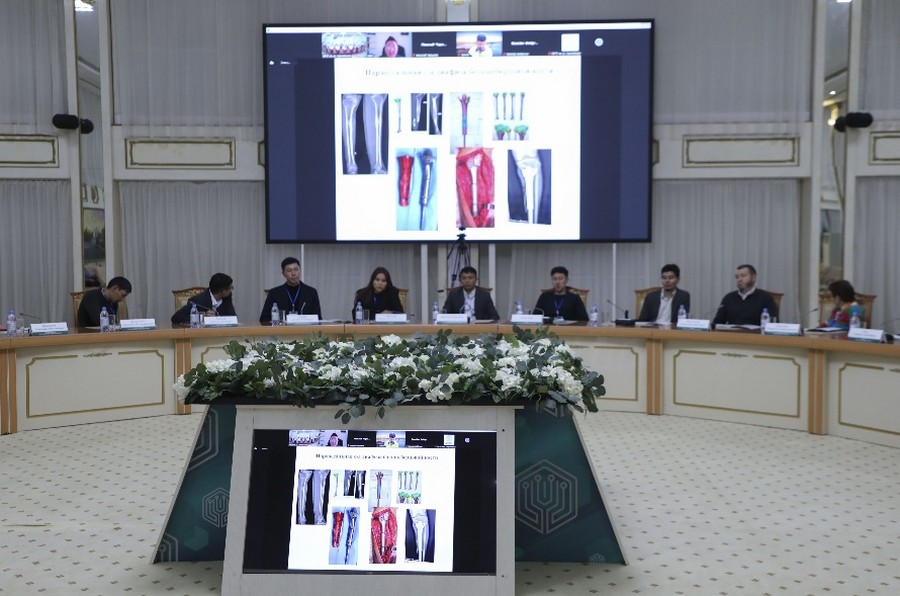
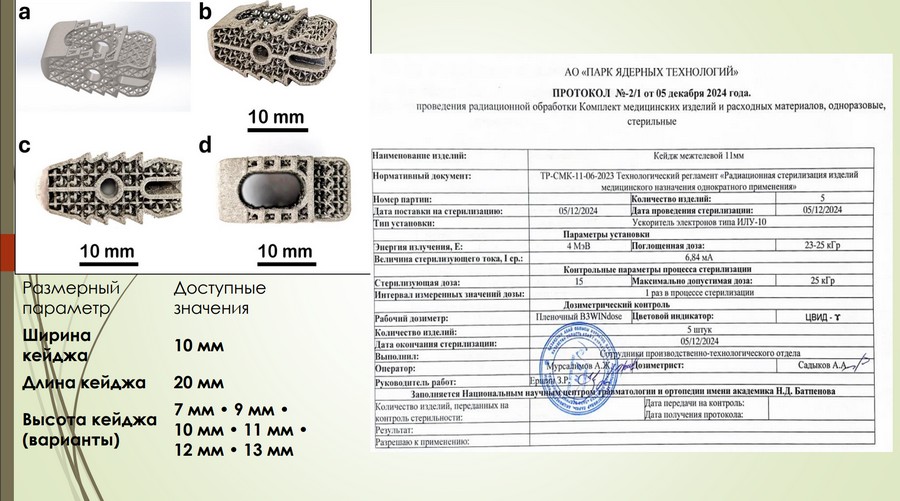
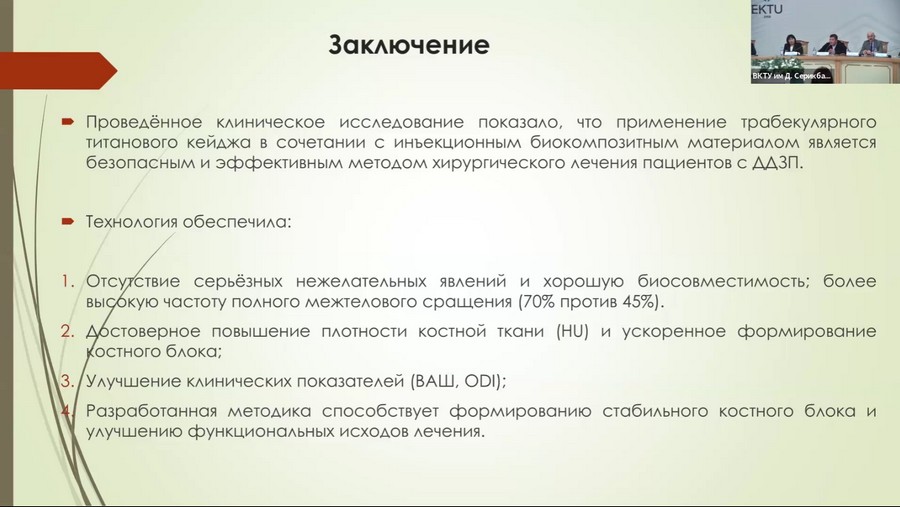
A particular interest among participants was sparked by the offline report of Murad Umirkhanovich Baidarbekov, neurosurgeon of the highest qualification category at the National Scientific Center of Traumatology and Orthopedics named after Academician N.D. Batpenov (Astana), Candidate of Medical Sciences. His presentation focused on the development and application of a trabecular cage in the surgical treatment of degenerative-dystrophic spinal disorders.
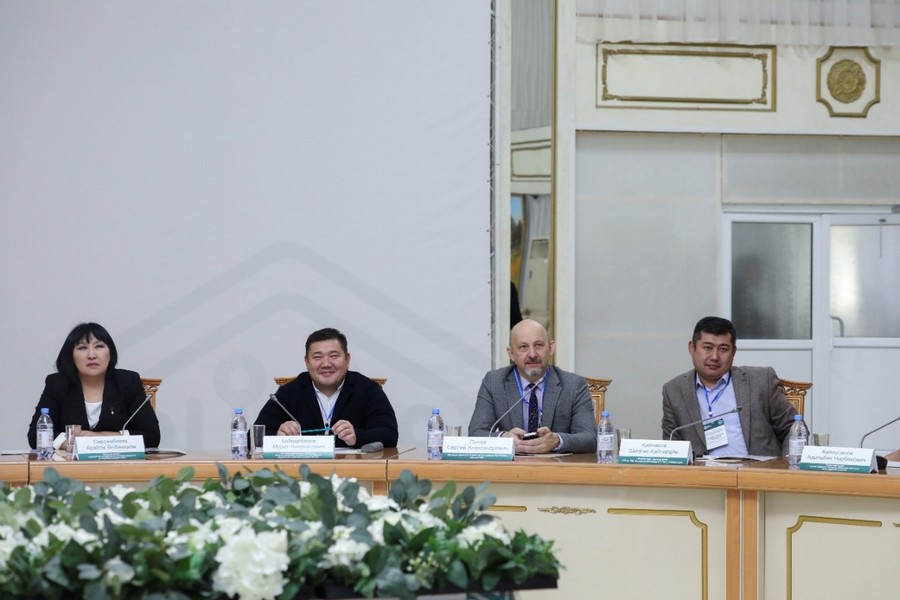
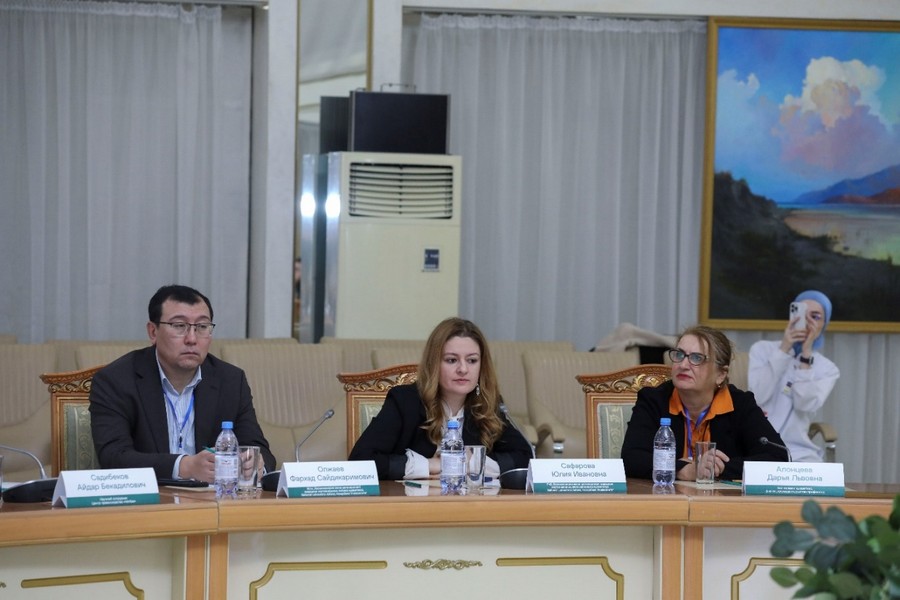
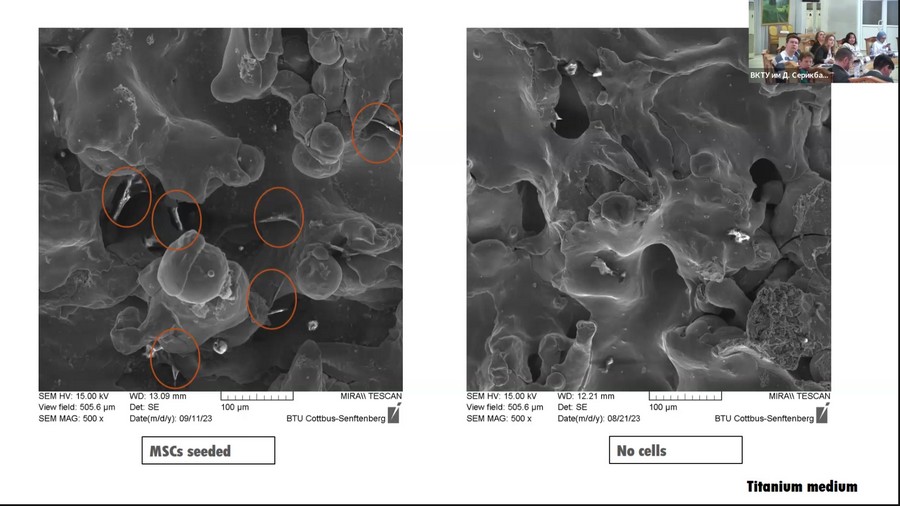
Significant attention during the discussion was devoted to issues of international and interuniversity scientific cooperation. Within the project, joint research is being conducted by scientists of D. Serikbayev East Kazakhstan Technical University and the private institution National Laboratory Astana of Nazarbayev University (Republic of Kazakhstan). Lead researcher Yulia Ivanovna Safarova (offline) spoke about the results of joint studies and the prospects for further technological development.
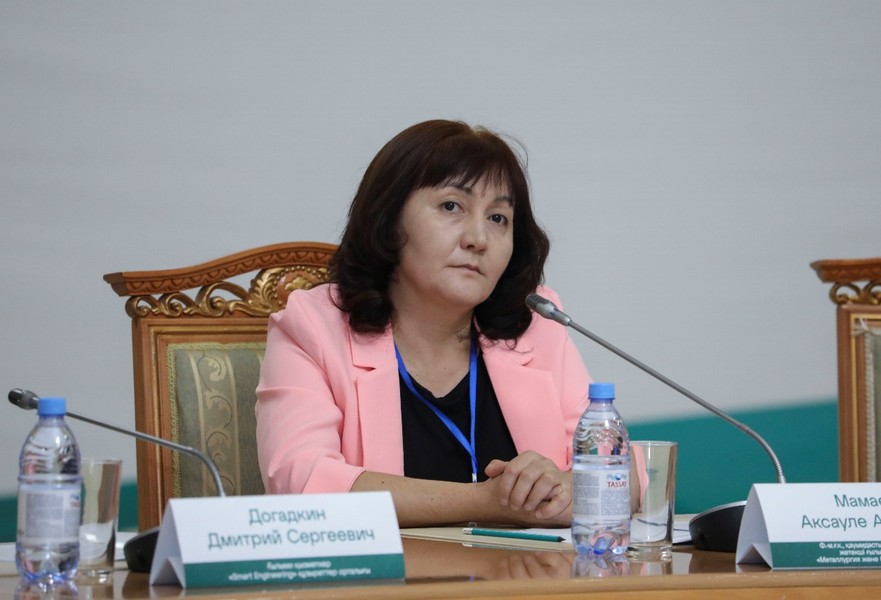
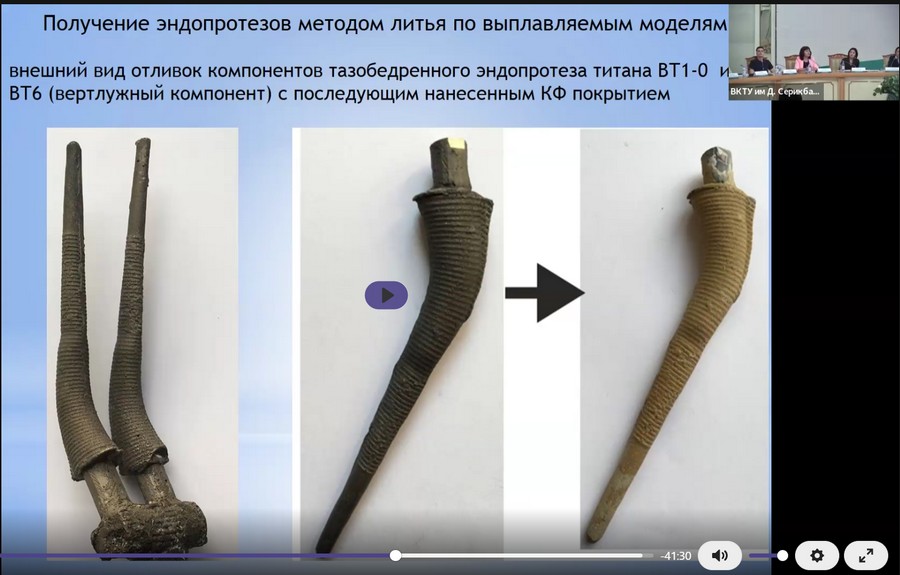
Associate Professor of the Institute of Metallurgy and Ore Beneficiation, Satbayev University, Candidate of Physical and Mathematical Sciences Aksaule Alipovna Mamaeva (offline) presented the results of research on obtaining calcium-phosphate coatings using various methods.
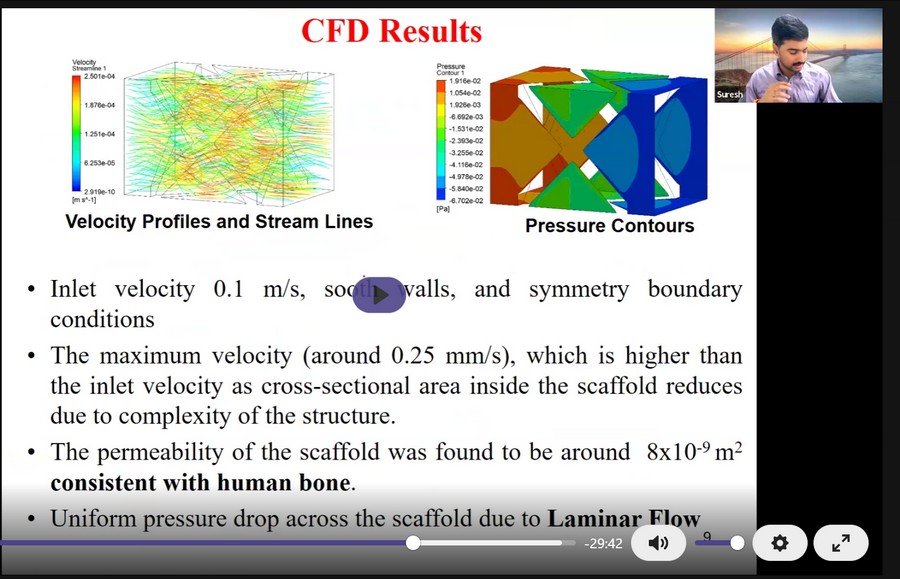
A report on CFD modeling of fluid flow in porous structures for tissue engineering applications was delivered online by PhD Suresh Alapati, a researcher from Kyungsung University (Busan, South Korea).

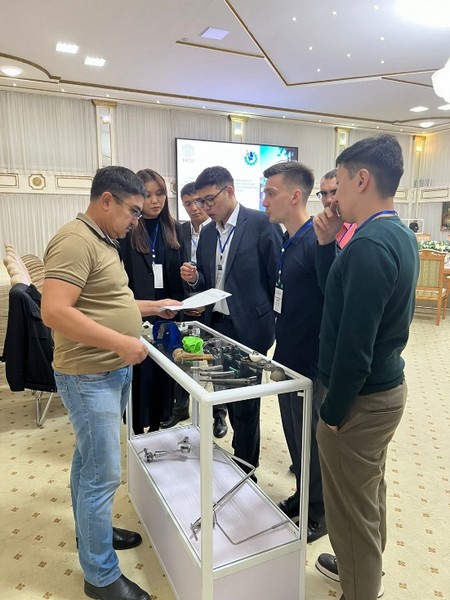
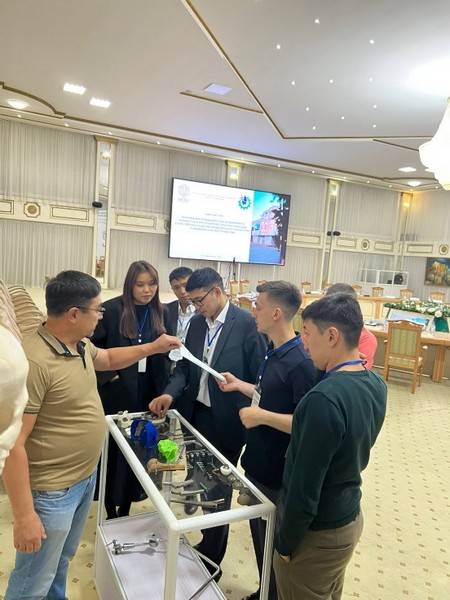
PhD Daniyar Kaliyev, Head of the Smart Engineering Competence Center at D. Serikbayev EKSTU (offline), spoke about modern technologies for designing and manufacturing medical instruments. A video illustrating the ongoing work was demonstrated (available at https://storage.ektu.kz/nextcloud/index.php/s/MEjZZAd7icSR8re), and an exhibition of existing and newly developed medical device prototypes, scientific equipment, and other materials was presented.
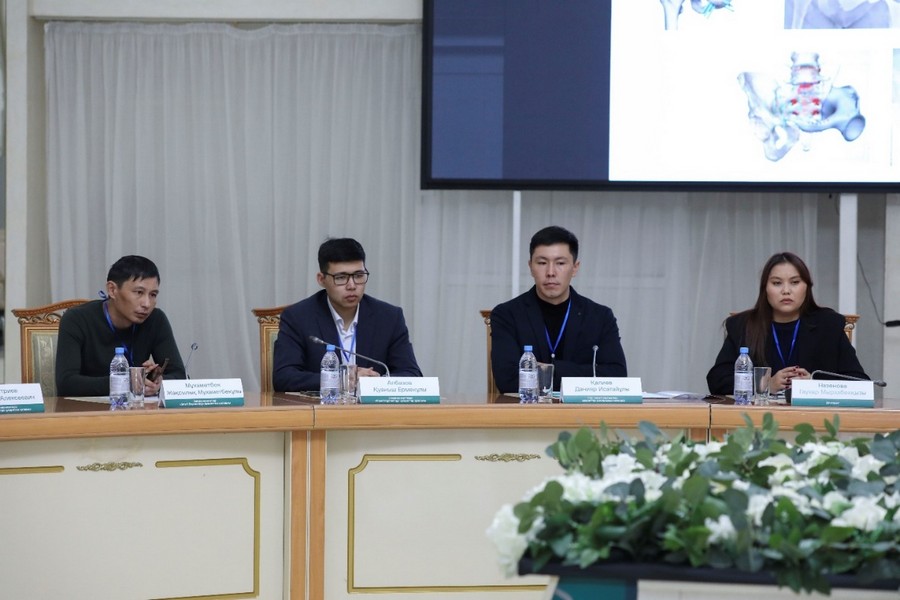
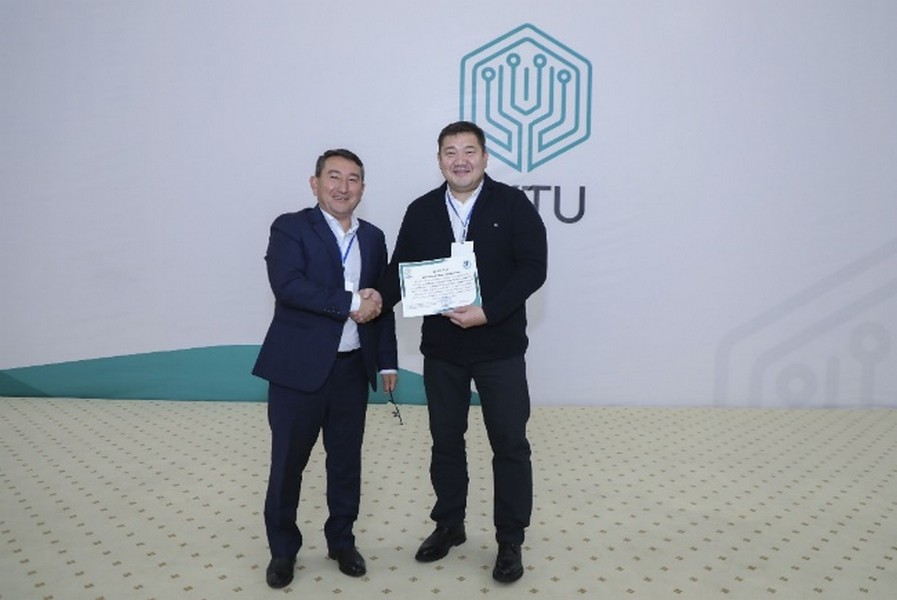
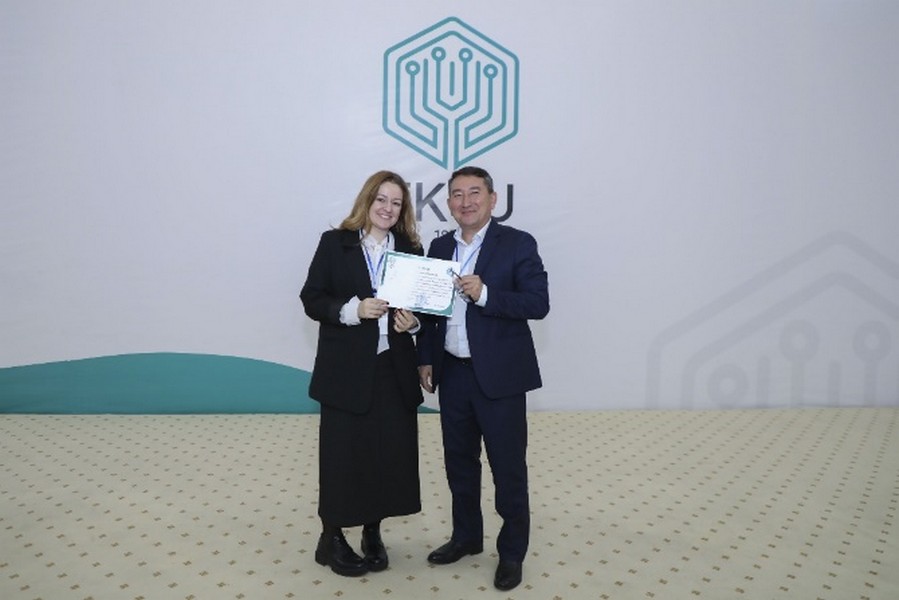
During the discussion, participants also addressed the development of proposals to support domestic innovations and expand joint research projects aimed at introducing new technologies into practical healthcare. All researchers who delivered presentations received letters of appreciation, and guests of the event were awarded participant certificates.
2024
On November 29, 2024, D. Serikbayev East Kazakhstan Technical University, within the framework of the implementation of the PCF project BR24992786 “Development of a Technology for Manufacturing Domestic Medical Instrument Prototypes and Medical Devices,” held a Round Table titled “Innovations in Medical Engineering: Development of a Technology for Manufacturing Prototypes of Domestic Medical Instruments and Devices.”
The event was attended by representatives from the National Scientific Center of Traumatology and Orthopedics named after Academician N.D. Batpenov, the NCJSC “Semey Medical University,” Saint Petersburg State Technical University, the Smart Engineering Competence Center, as well as practicing doctors from hospitals in Ust-Kamenogorsk, including orthopedic traumatologists, maxillofacial surgeons, neurosurgeons, and dentists — over 40 participants in total.
The purpose of the round table was to discuss critical issues in the field of implantology, particularly the development and production of prototypes of domestic medical instruments and devices.
In her welcome speech, Vice-Rector for Science and Innovation and Board Member Zhadira Konurbayeva emphasized the relevance and timeliness of the event and expressed hope for closer cooperation between university engineers and medical professionals.
The speech of the Head of Department and orthopedic trauma specialist of the highest qualification from the National Scientific Center for Traumatology and Orthopedics focused on the need to develop domestic production of bone tissue implants. He emphasized that without close cooperation between the medical center and the technical university, progress in this area is impossible.
Bagdat Azamatov, Head of the Smart Engineering Competence Center at EKTU, presented the results achieved by the center in producing bone tissue implants and conducting clinical trials at the National Center of Traumatology and Orthopedics.
A presentation by Dmitry Dogadkin, research engineer of the Smart Engineering Competence Center at EKTU, dedicated to the use of 3D modeling in manufacturing bone implants (intervertebral cages), generated great interest among attendees.
An online presentation was given by Prof. Dr. Nikolay Charykov of Saint Petersburg State Technical University, who spoke about the application of carbon nanomaterials, specifically water-soluble derivatives of light fullerenes (C60 and C70), in medicine.
Detailed studies of the physicochemical and biological mechanisms of fullerene derivatives have shown great potential for their use as coatings on titanium implants, highlighting a promising direction in modern biomedicine. It is worth noting that the literature on the use of fullerene derivatives in implantology (especially in modifying medical titanium and its alloys) remains very limited due to the novelty of the topic.
The round table concluded with proposals for further collaboration between the university and medical institutions on the production of various types of bone implants, as well as joint grant-based research in this field.


