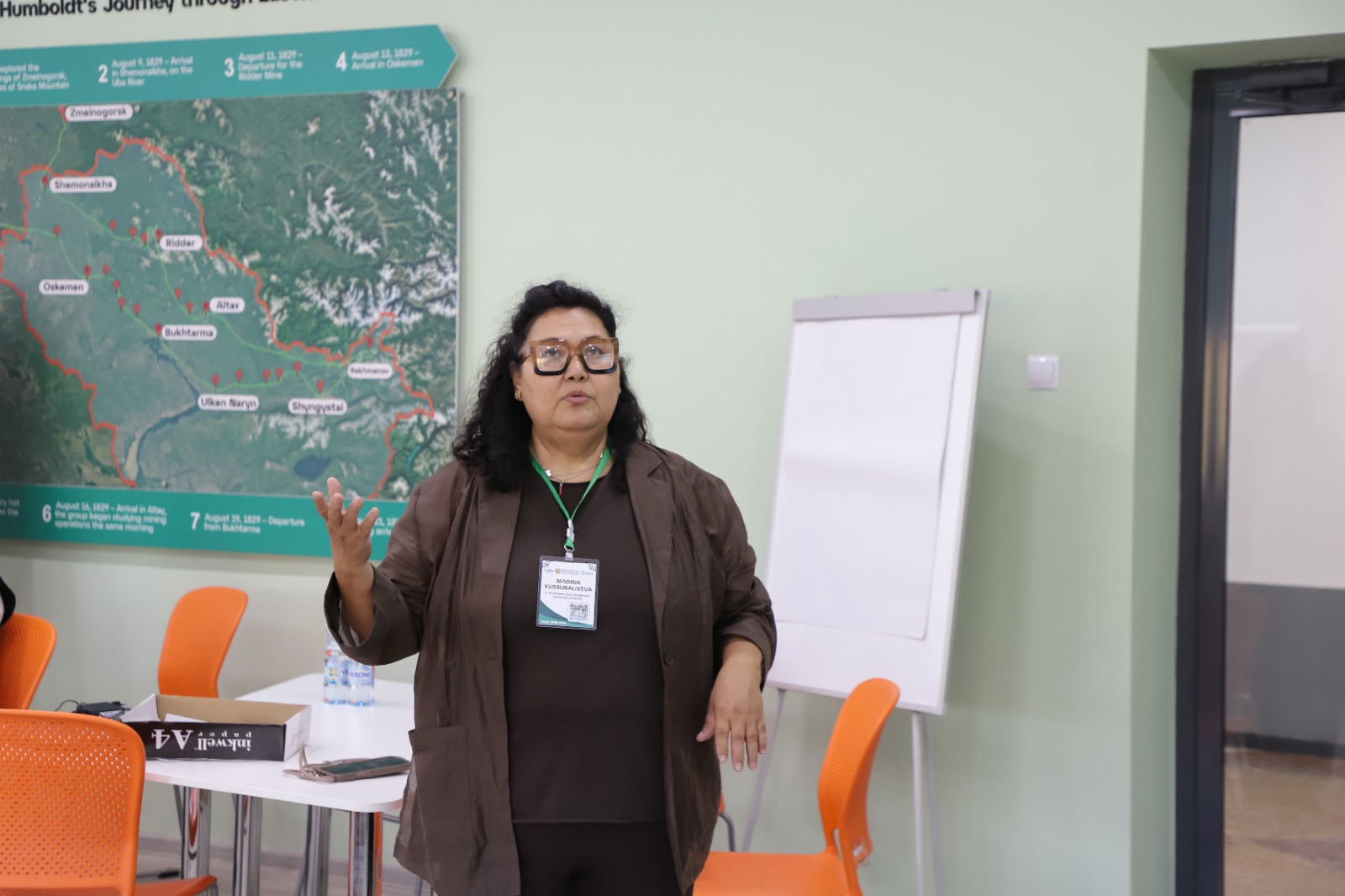
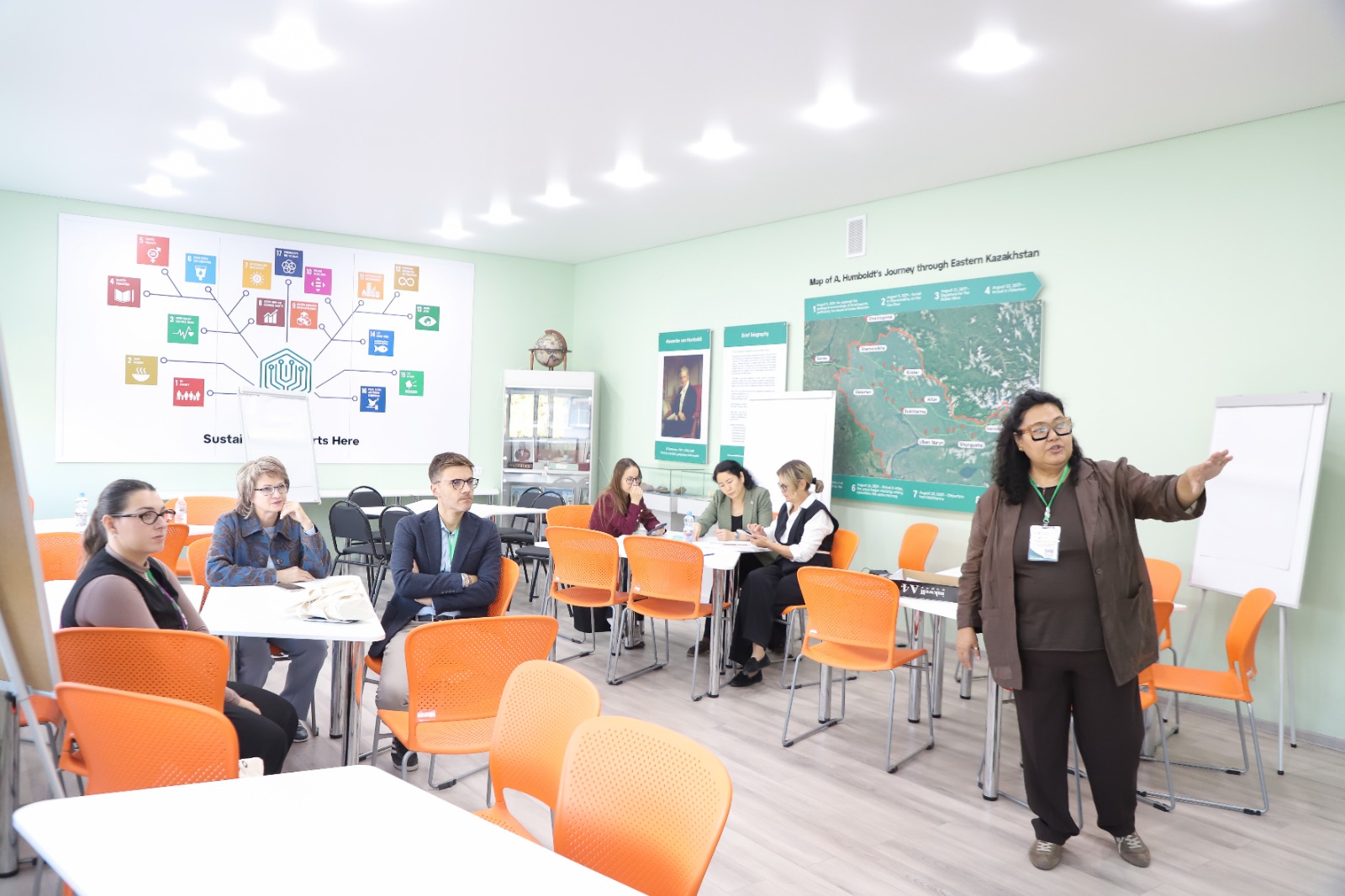
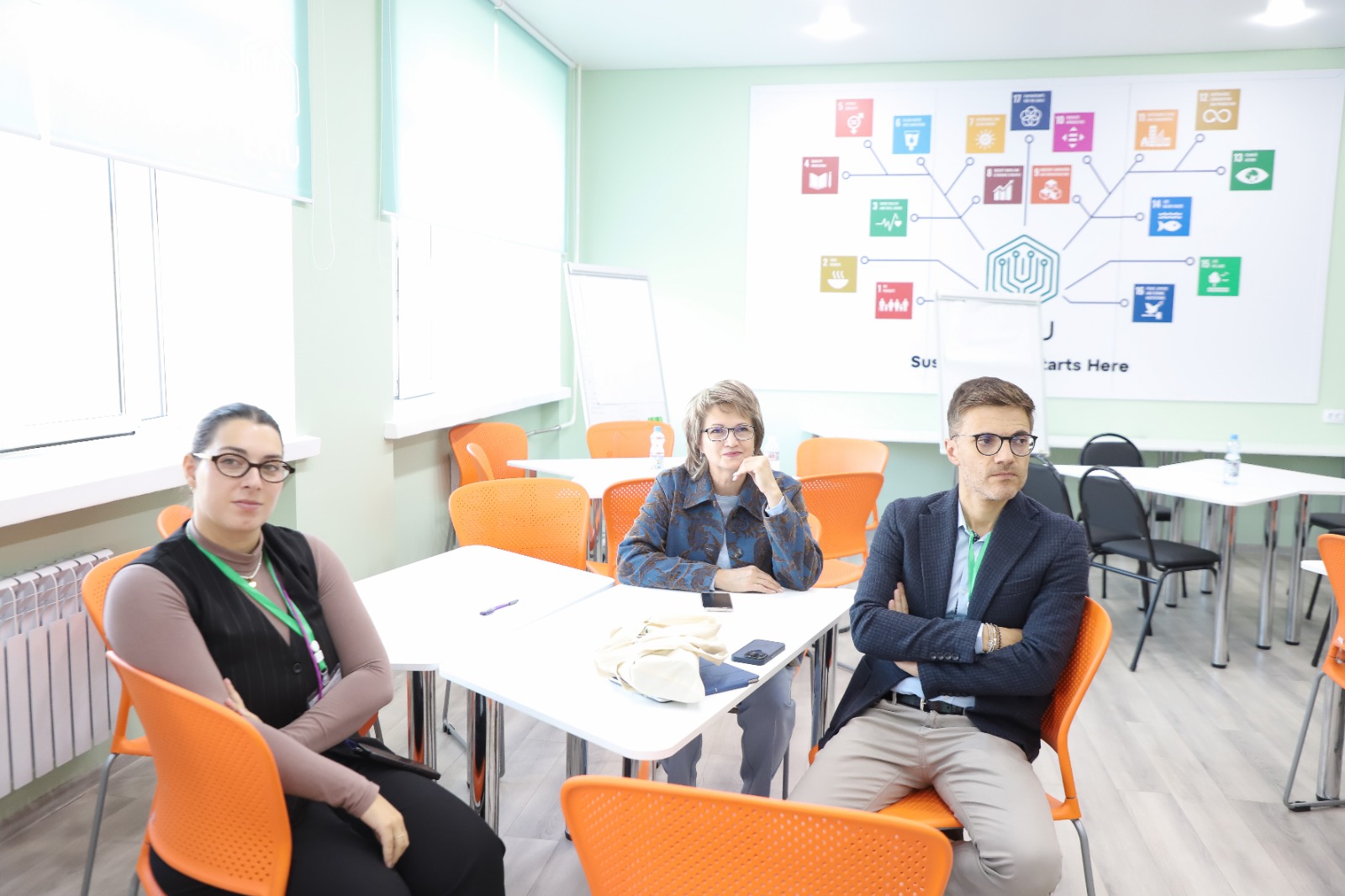
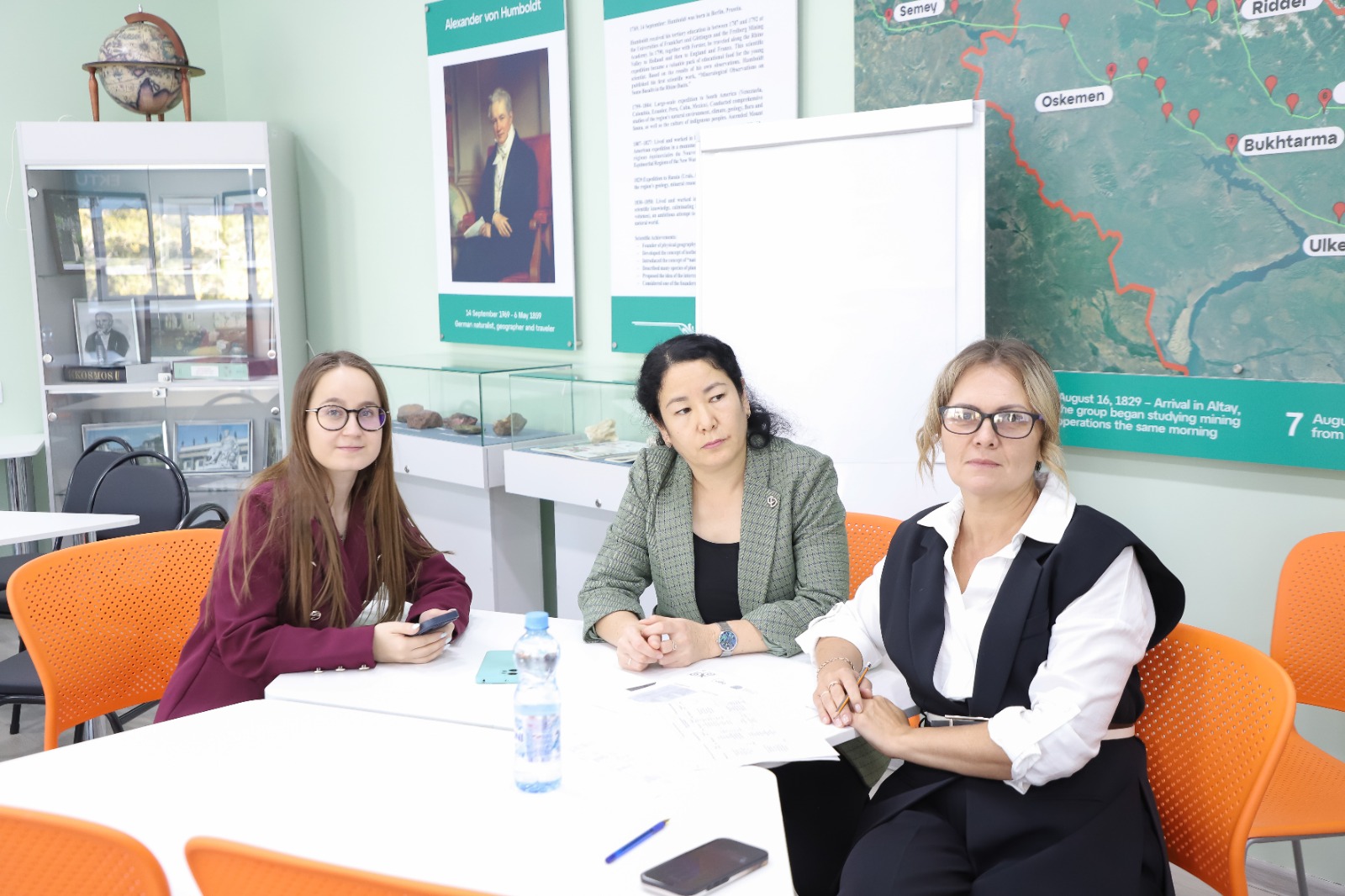
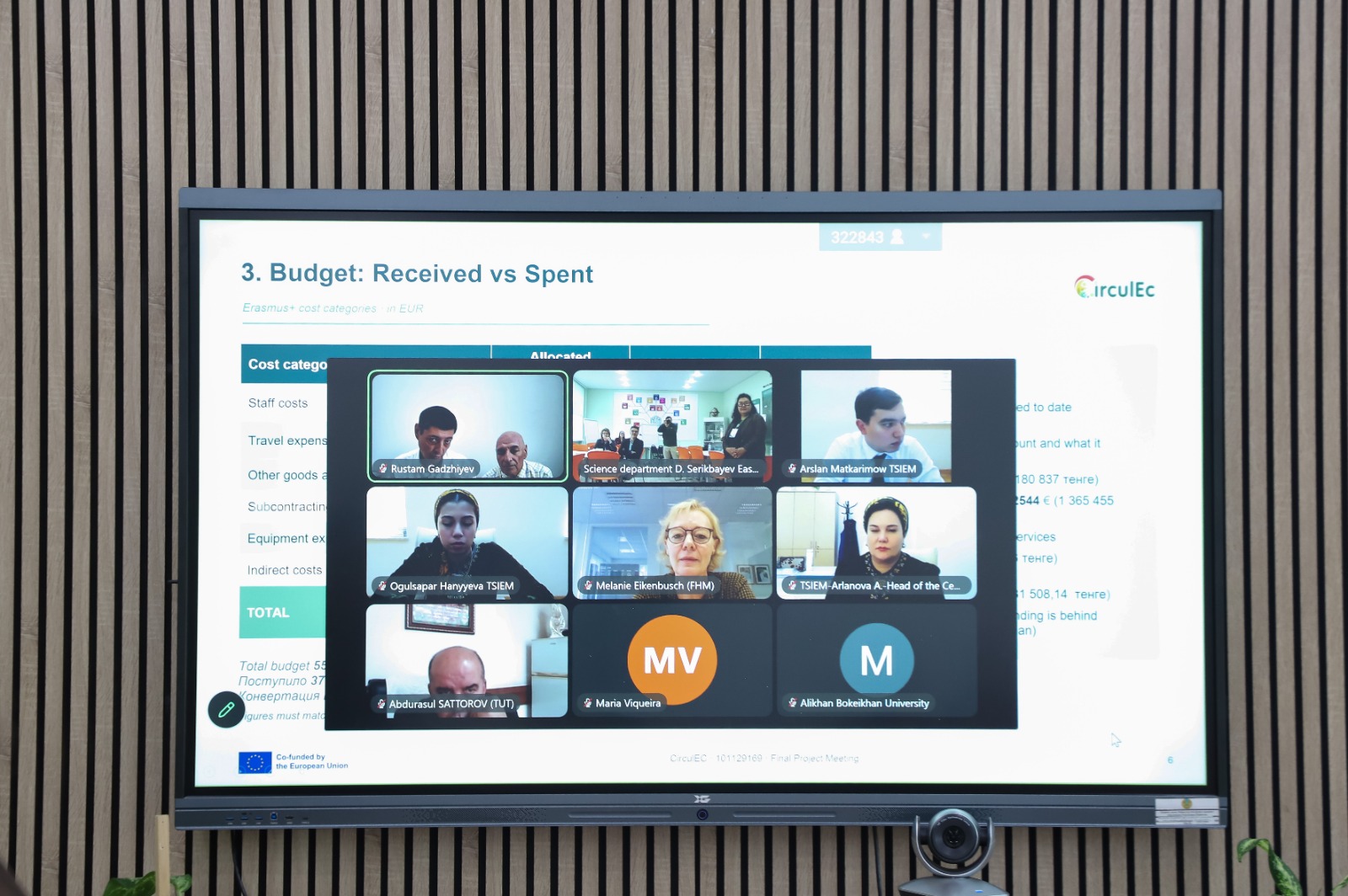
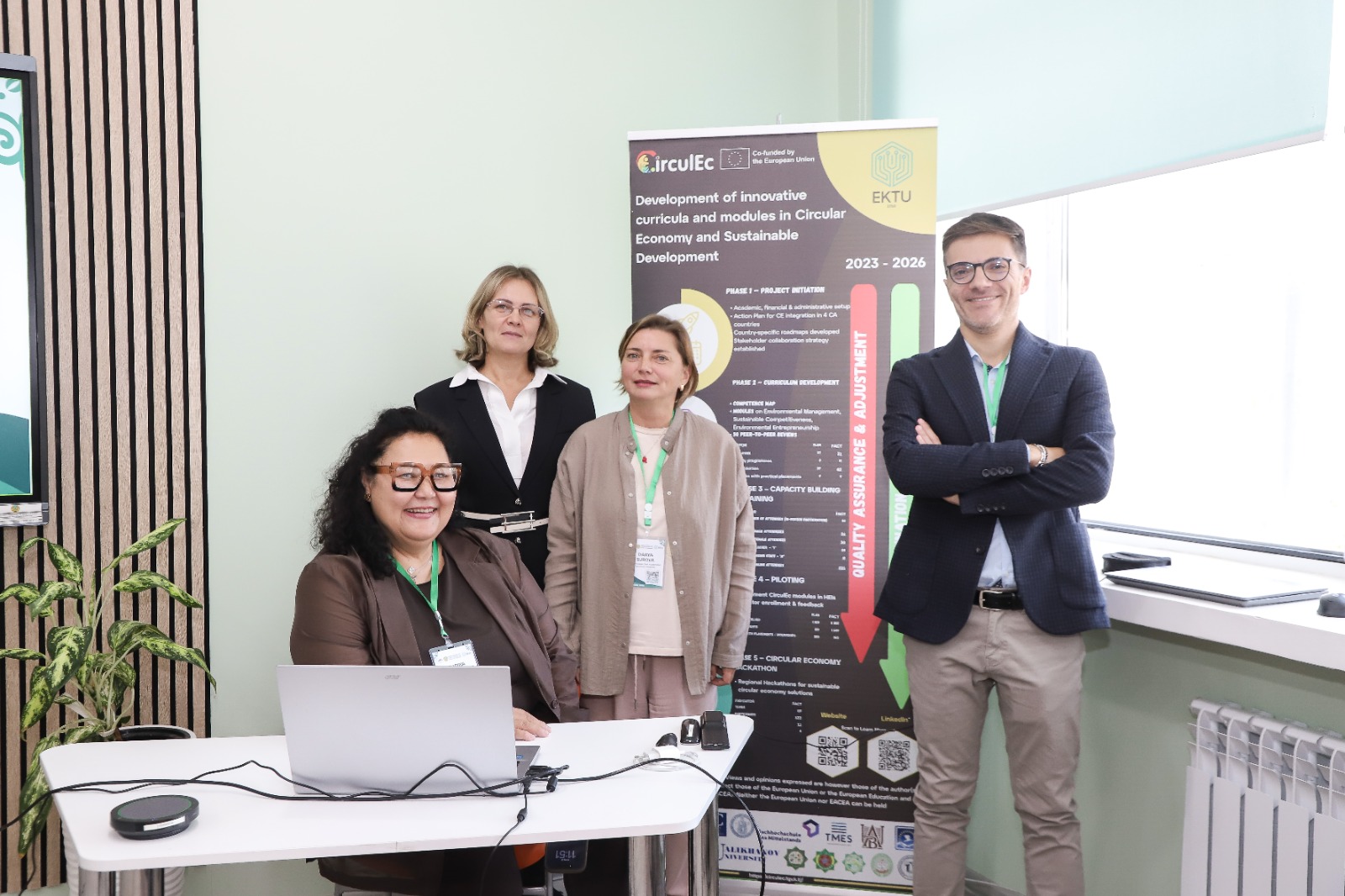
On 25 September 2026, D. Serikbayev East Kazakhstan Technical University hosted the Final Project Meeting of the Erasmus+ Capacity Building in Higher Education project CirculEC — “Development of Innovative Curricula and Modules in Circular Economy and Sustainable Development”. The meeting was organised in the framework of the CDIO Asian Regional Meeting 2026 “Next-Gen Engineering: The New Triad of Academia, Industry and AI” and brought together representatives of the international project consortium to review the results achieved throughout the implementation period.
The Final Project Meeting provided an opportunity for all partner institutions to present their progress and contributions to the project. Each partner delivered a comprehensive overview of the activities implemented, the outputs produced and the results achieved within their respective areas of responsibility. Particular attention was given to the development and implementation of educational content, capacity-building activities, international knowledge exchange, dissemination and institutional uptake of project results.
Throughout its implementation, CirculEC has supported the modernisation of higher education in Central Asia by strengthening institutional capacities in the fields of circular economy and sustainable development. The project has contributed to the development of innovative curricula and teaching modules, the enhancement of academic staff competences and the introduction of contemporary educational approaches addressing resource efficiency, sustainable production and consumption, waste reduction and the transition towards more circular economic models.
The meeting also highlighted the importance of international cooperation and knowledge transfer between European and Central Asian partner institutions. Joint training activities, exchange of expertise and collaborative development of educational resources have enabled partner universities to strengthen their academic and institutional capacities while adapting international practices to national and regional contexts. The project has also supported stronger links between higher education, industry and other stakeholders involved in the transition towards sustainable and resource-efficient economies.
A key focus of the final discussions was the sustainability and long-term impact of the project results. Partners considered how the developed curricula, modules, teaching materials and institutional practices can continue to be used and further developed beyond the formal project period. Continued integration of project outcomes into educational programmes, further academic cooperation and wider dissemination of CirculEC experience were identified as important elements for ensuring lasting impact.
The Final Project Meeting marked an important milestone in the implementation of CirculEC and provided an opportunity to reflect on the achievements of the consortium and the added value created through international cooperation. The results of the project provide a foundation for continued capacity building, curriculum modernisation and the integration of circular economy and sustainable development principles into higher education, contributing to the broader green and sustainable transformation of the Central Asian region.