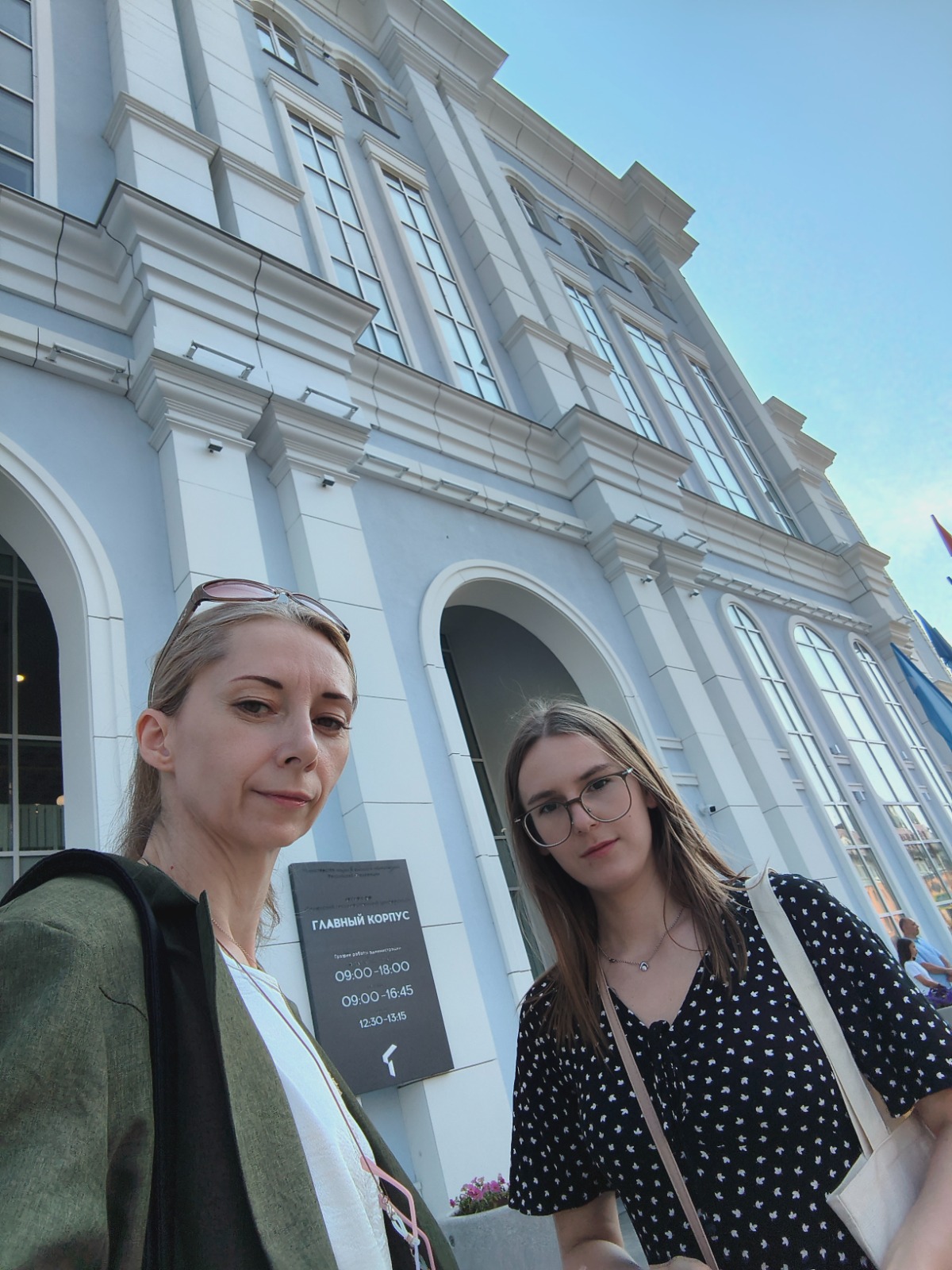
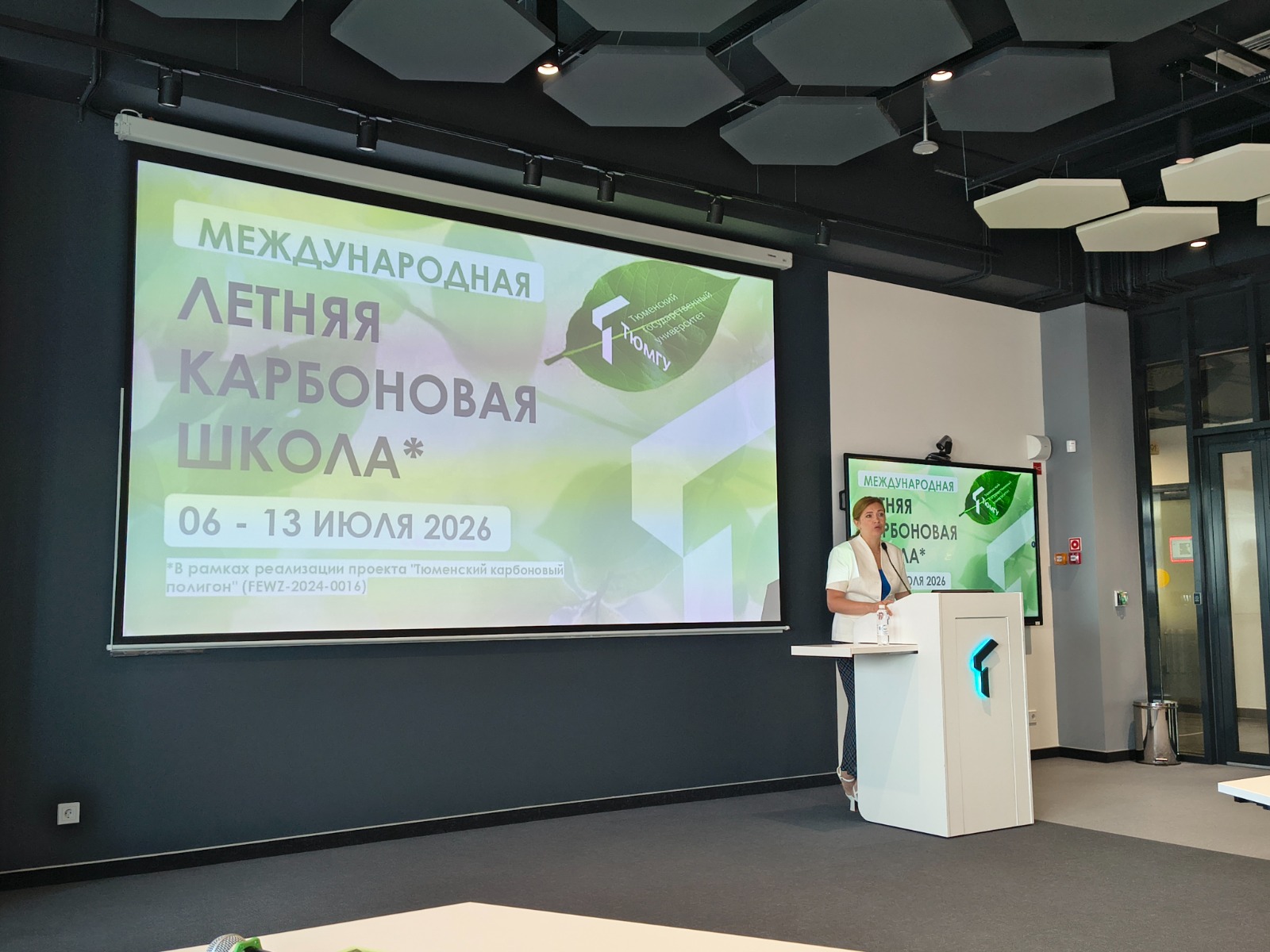
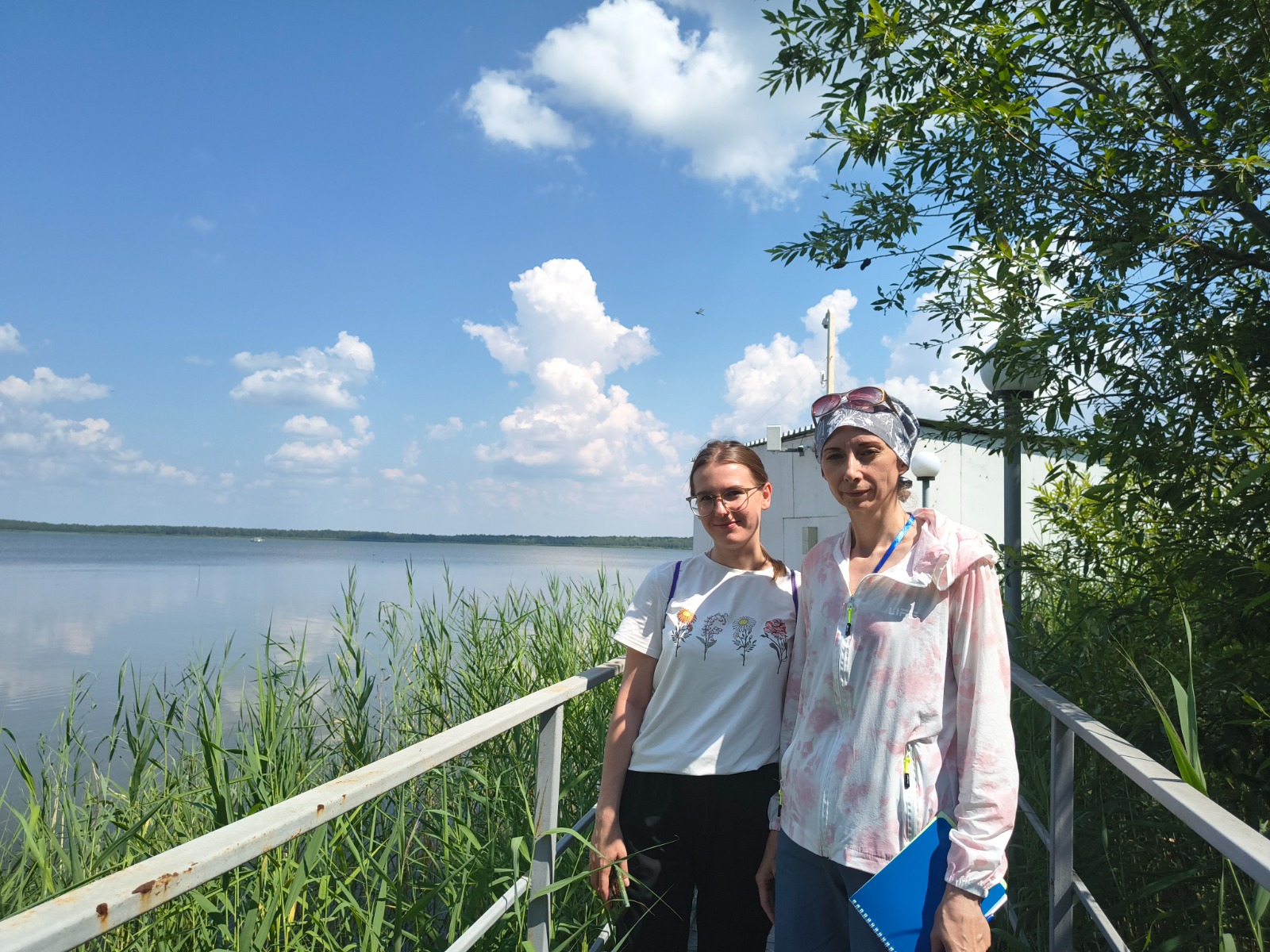
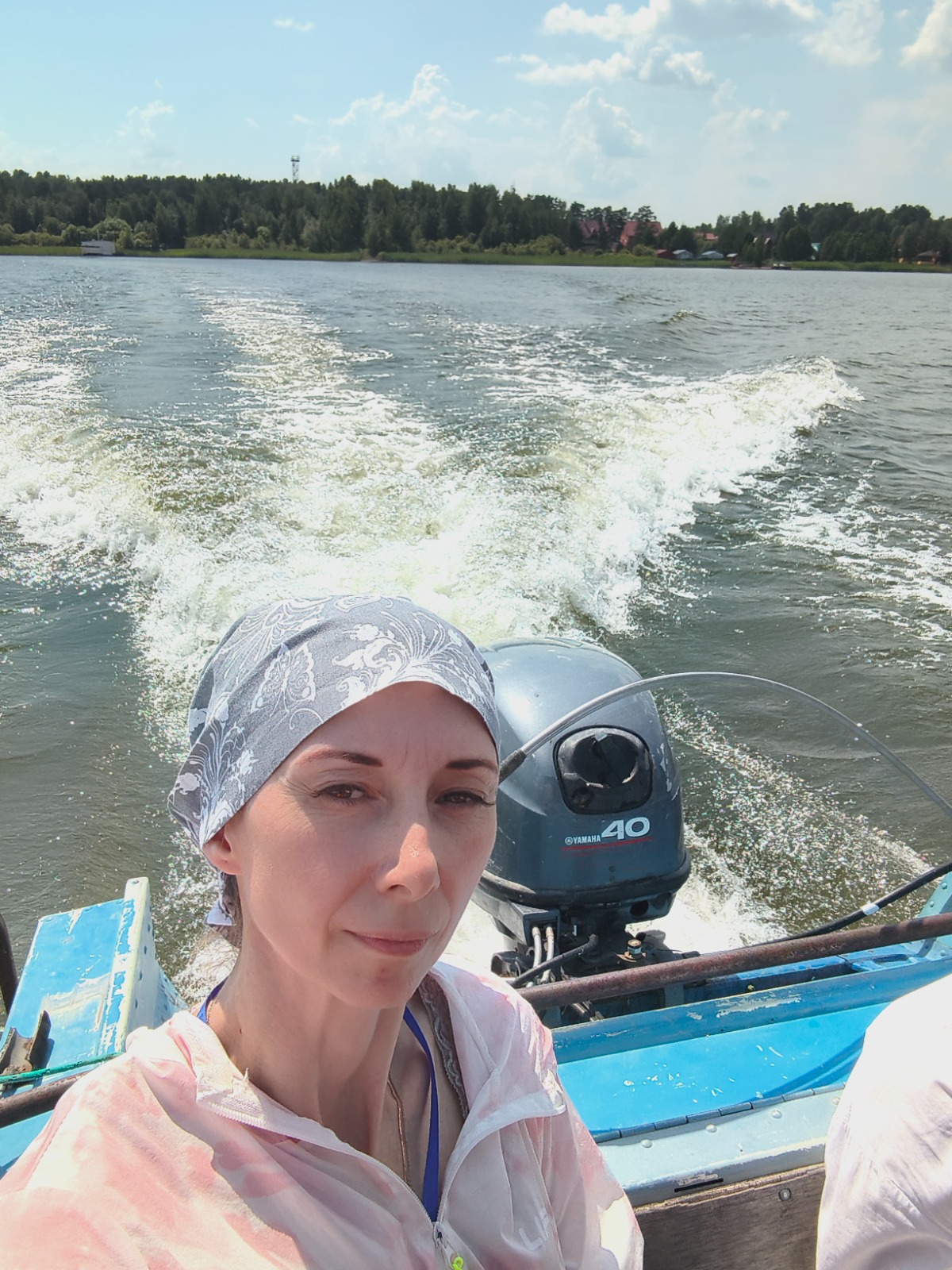
Serikbayev East Kazakhstan Technical University staff members — Olga Petrova, Associate Professor of the School of Earth Sciences and Leading Researcher, and Arina Polyakova, Specialist at the Office for Sustainable Development and Junior Researcher — participated in the International Summer Carbon School, held from July 6 to 13, 2026, at the University of Tyumen (Russian Federation). The visit took place within the framework of the Program-Targeted Funding project BR24992854 "Development and Implementation of Competitive Science-Based Technologies to Ensure the Sustainable Development of the Mining and Metallurgical Industry of the East Kazakhstan Region."
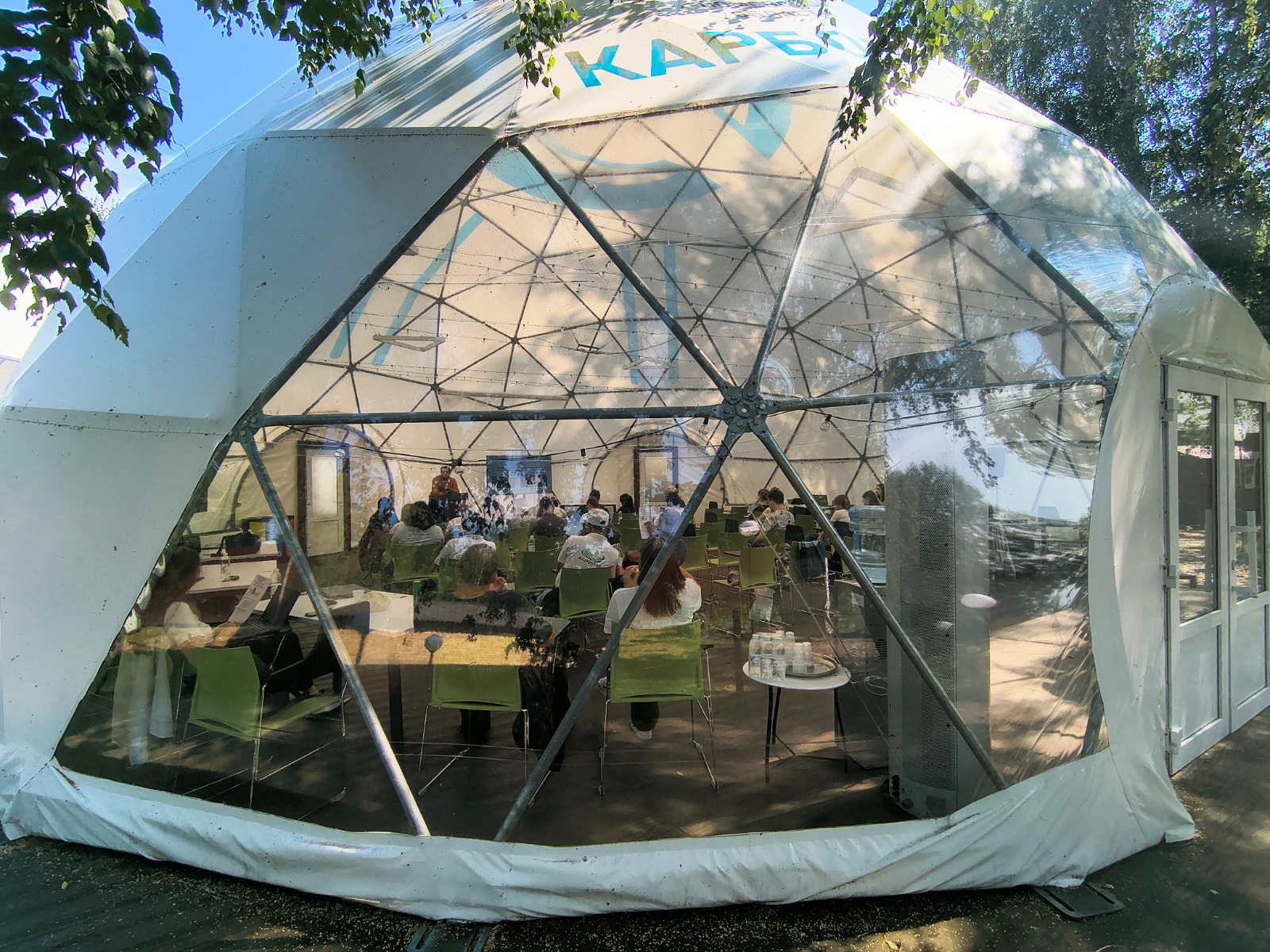
Over the course of several days, participants explored modern approaches to climate change research, greenhouse gas monitoring, and the operation of carbon polygons. The Summer School brought together representatives of universities and research institutions from Russia, Kazakhstan, Belarus, and Uzbekistan, providing a platform for knowledge exchange and discussions on current climate-related challenges.
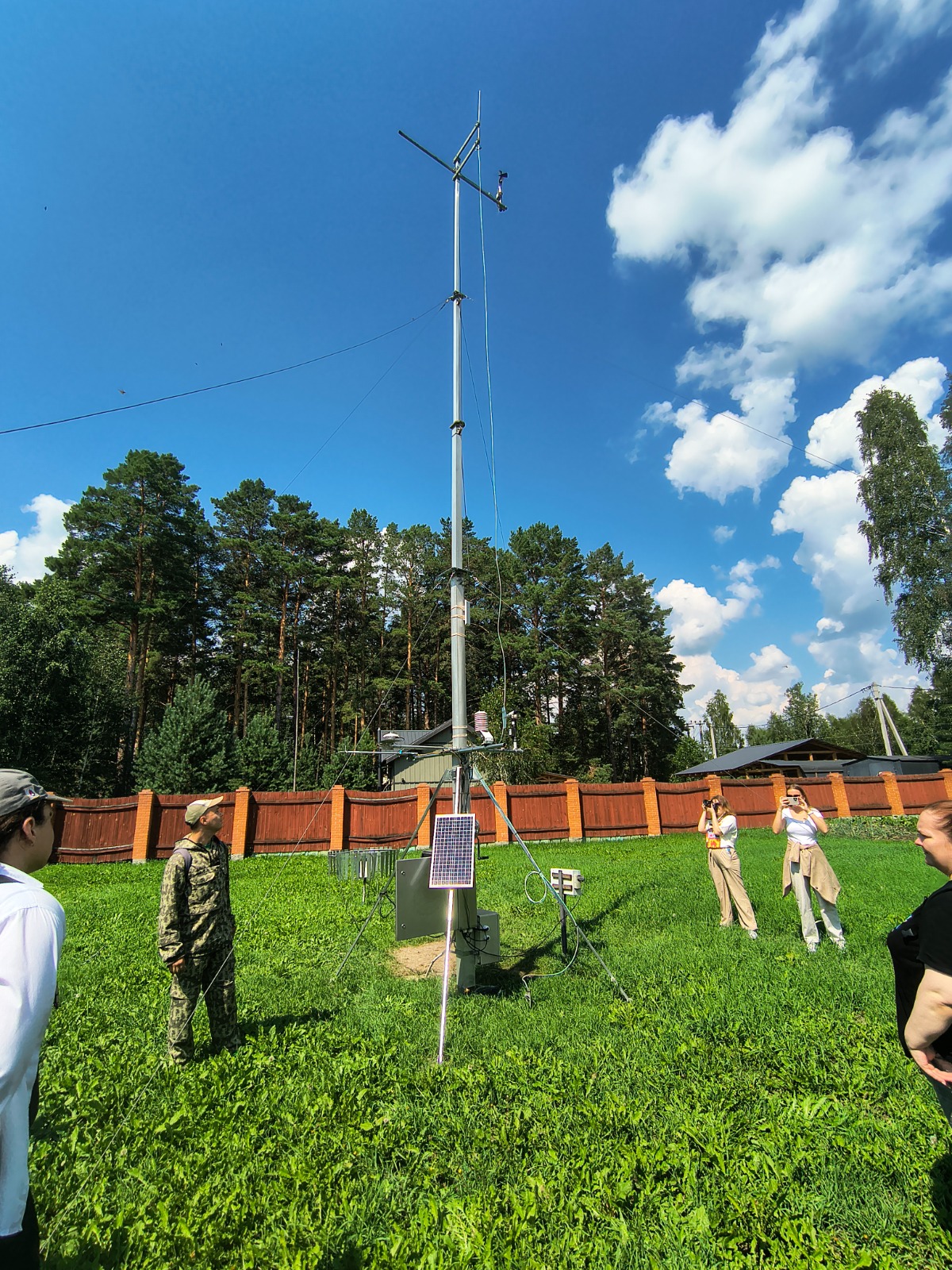
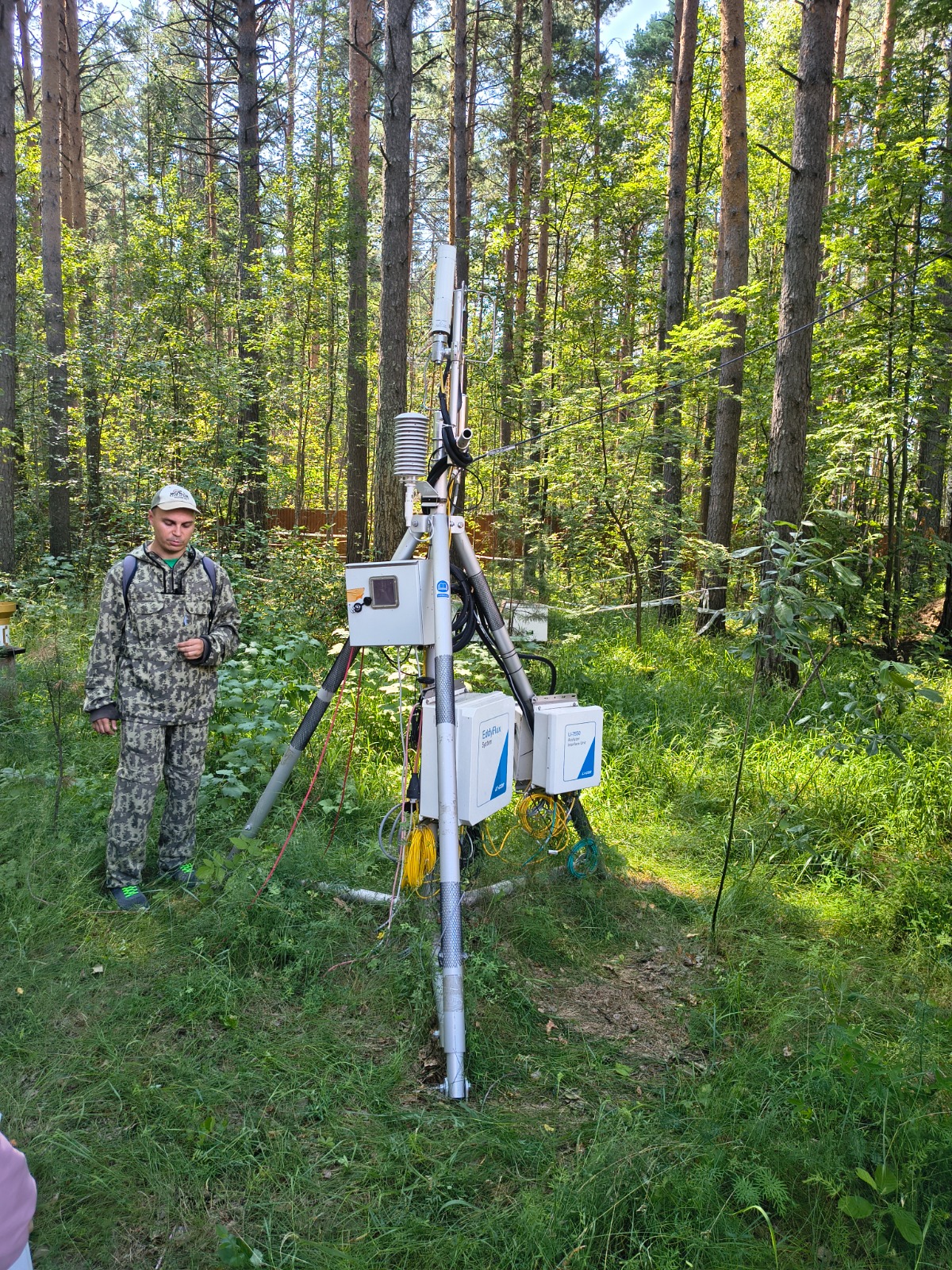
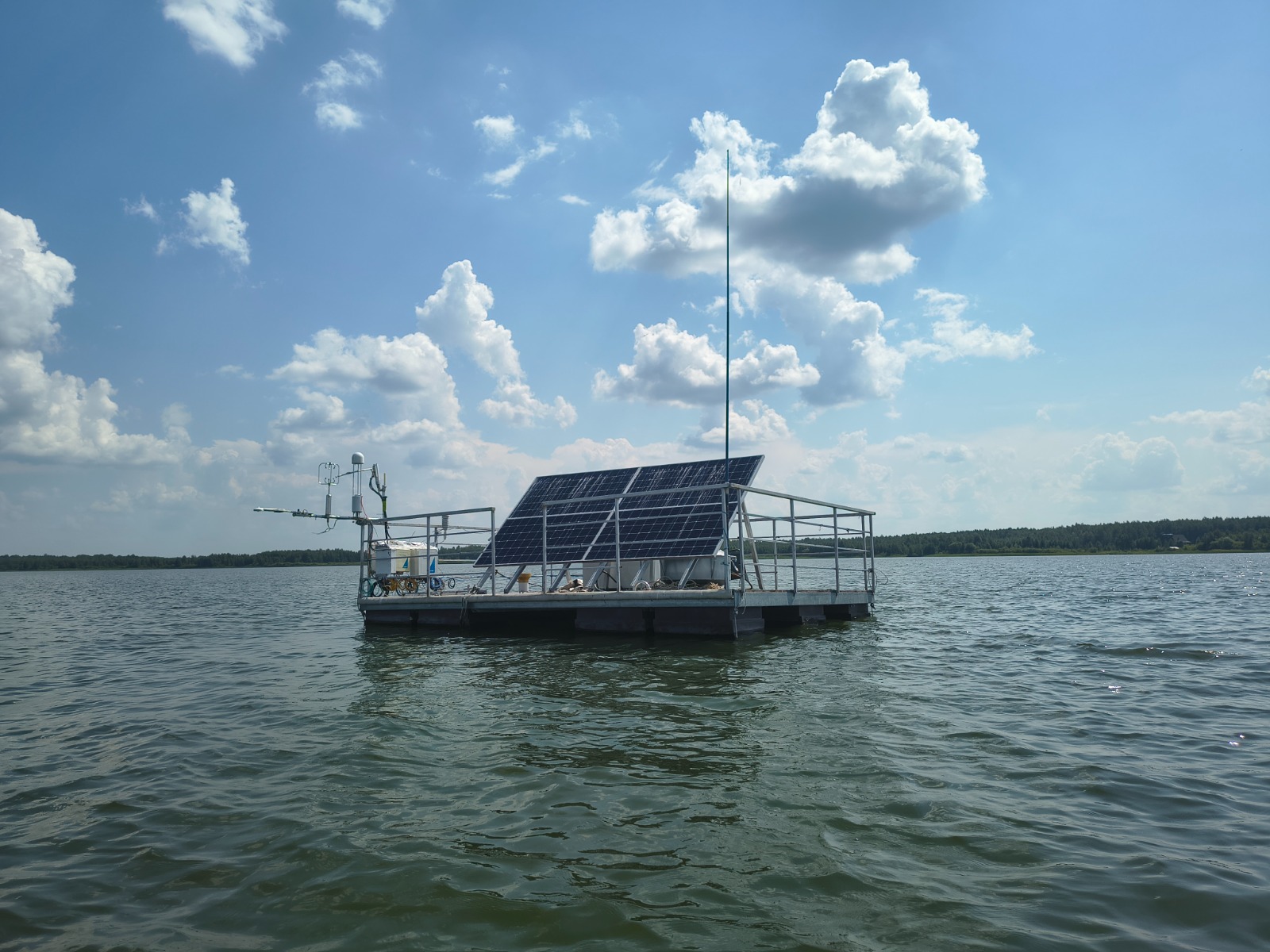
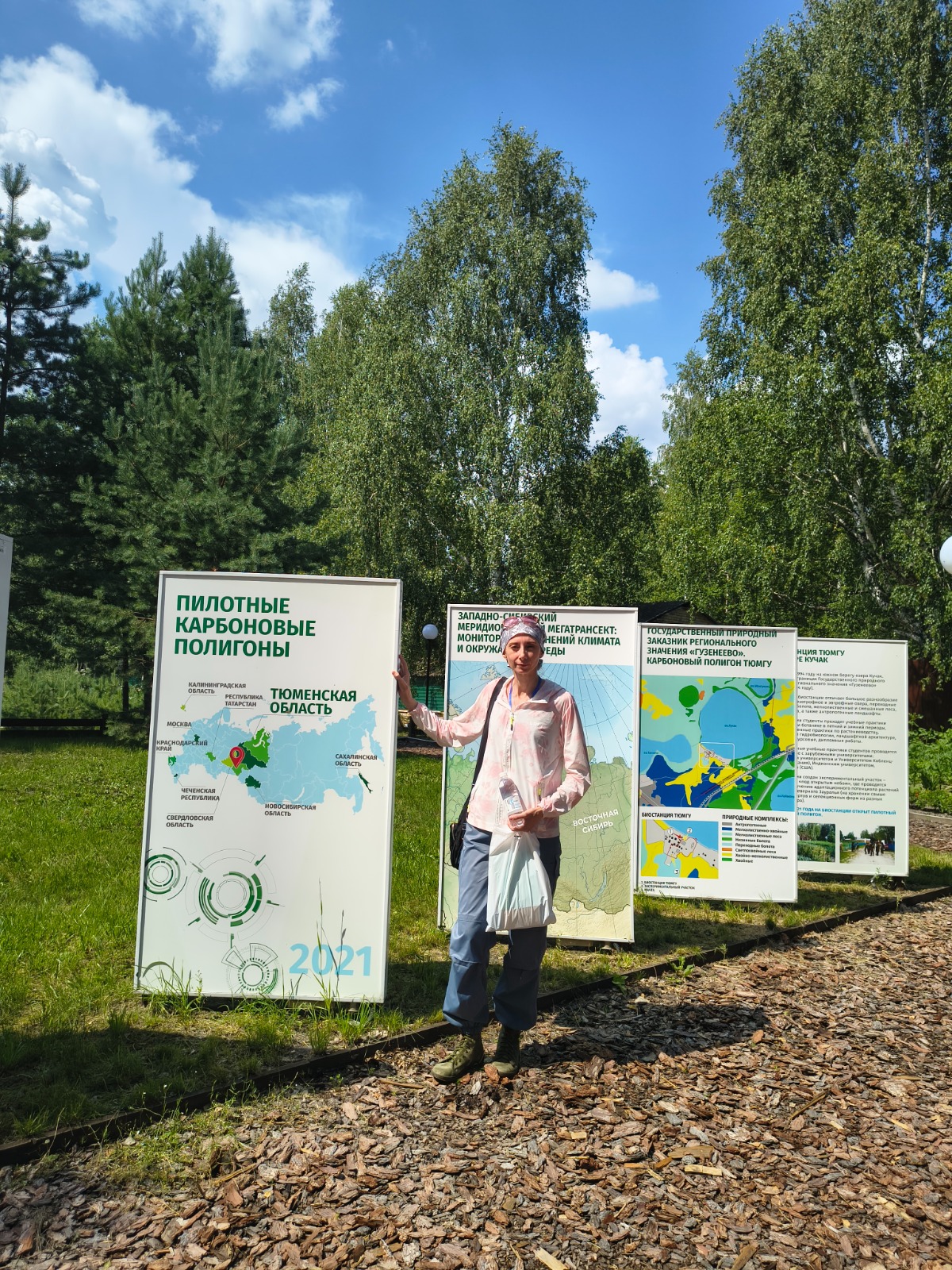
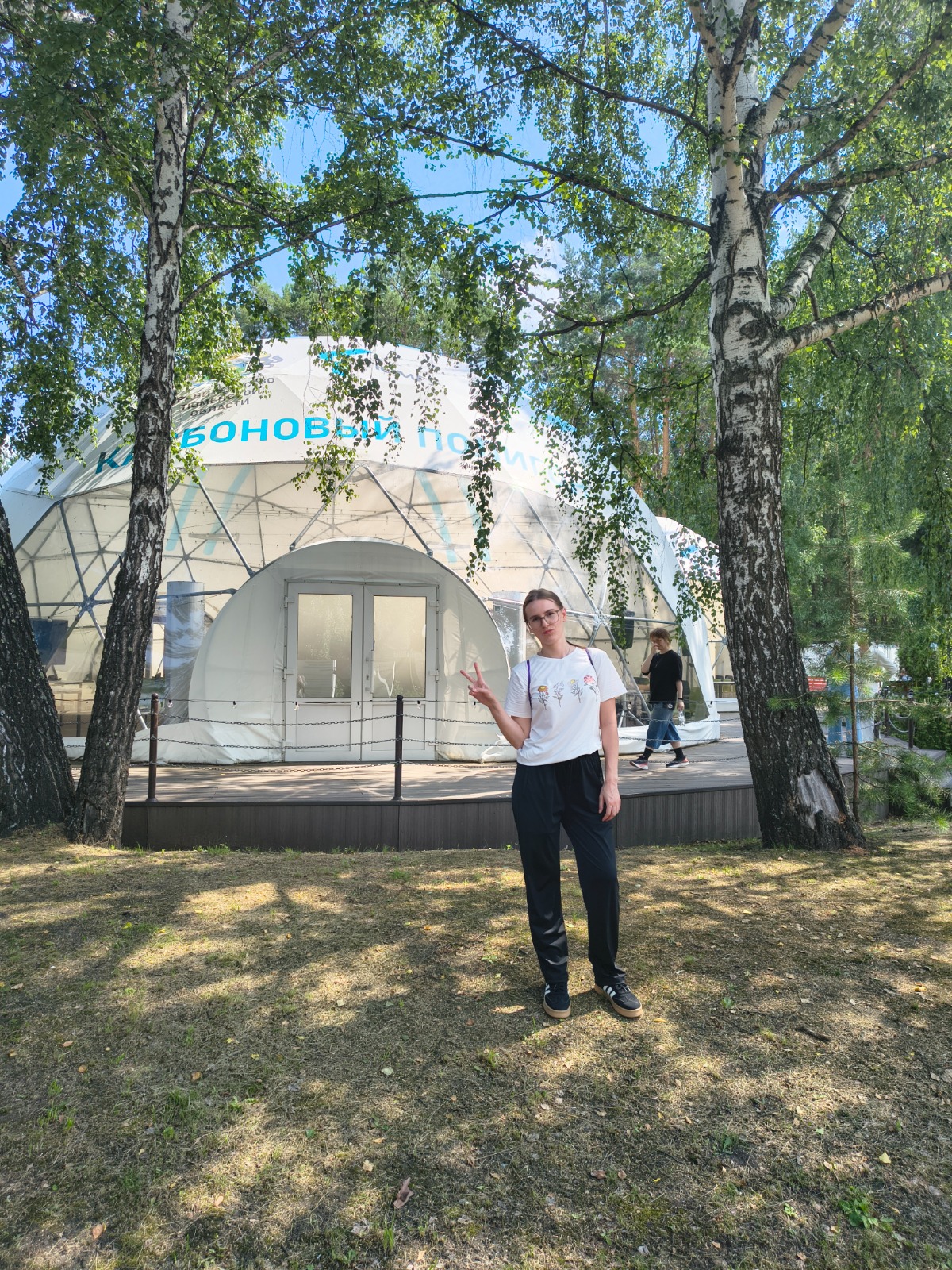
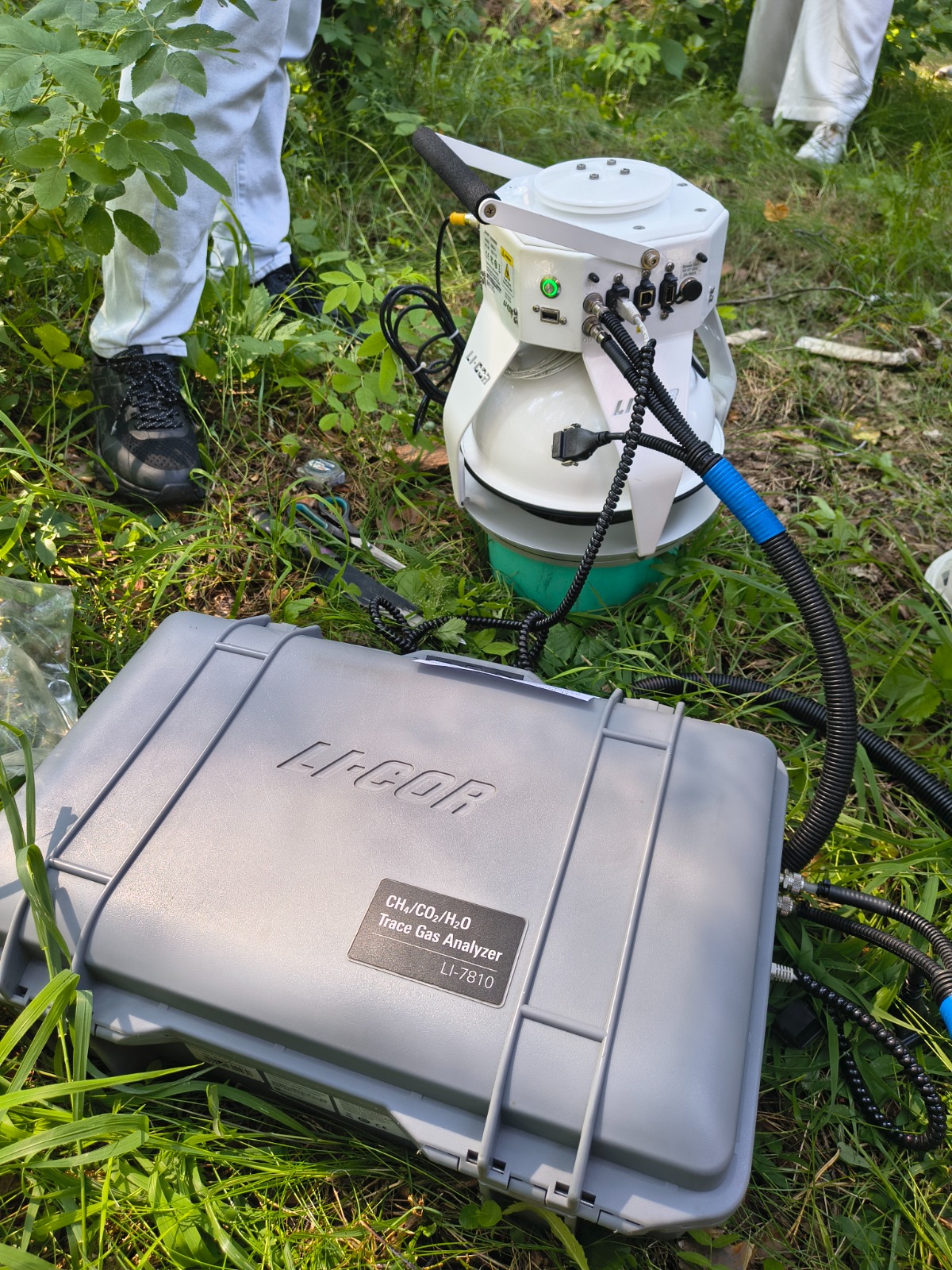
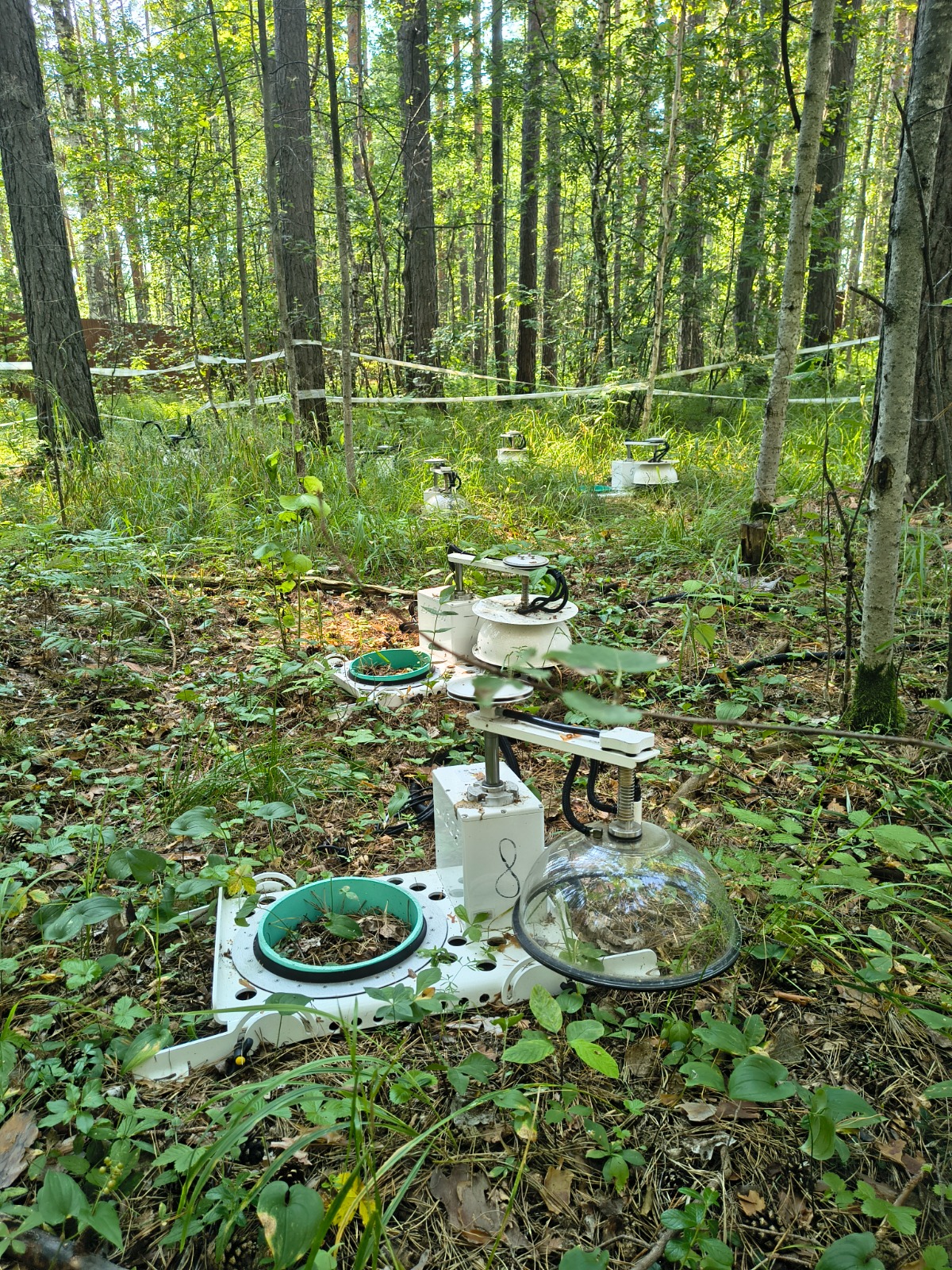
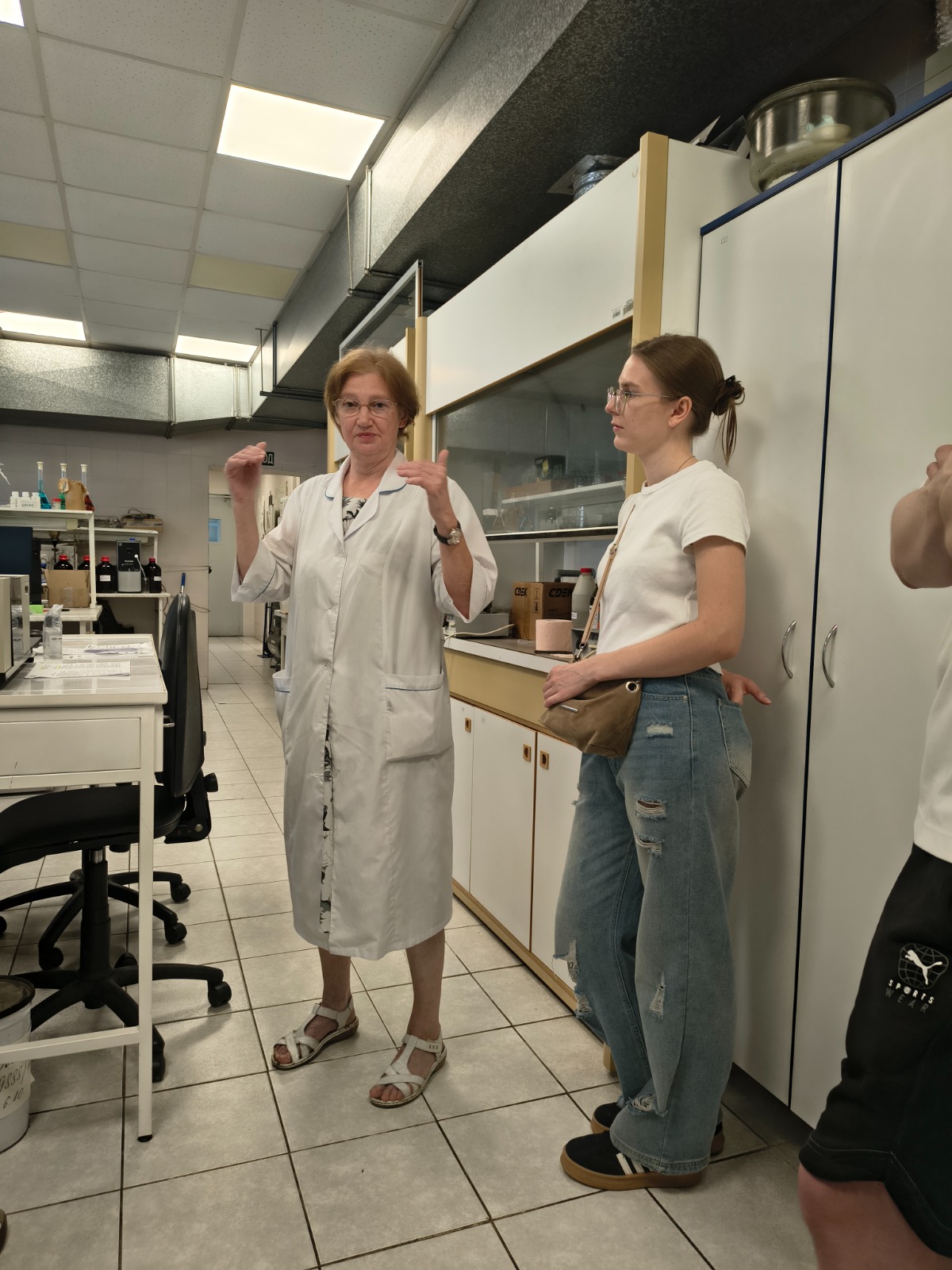
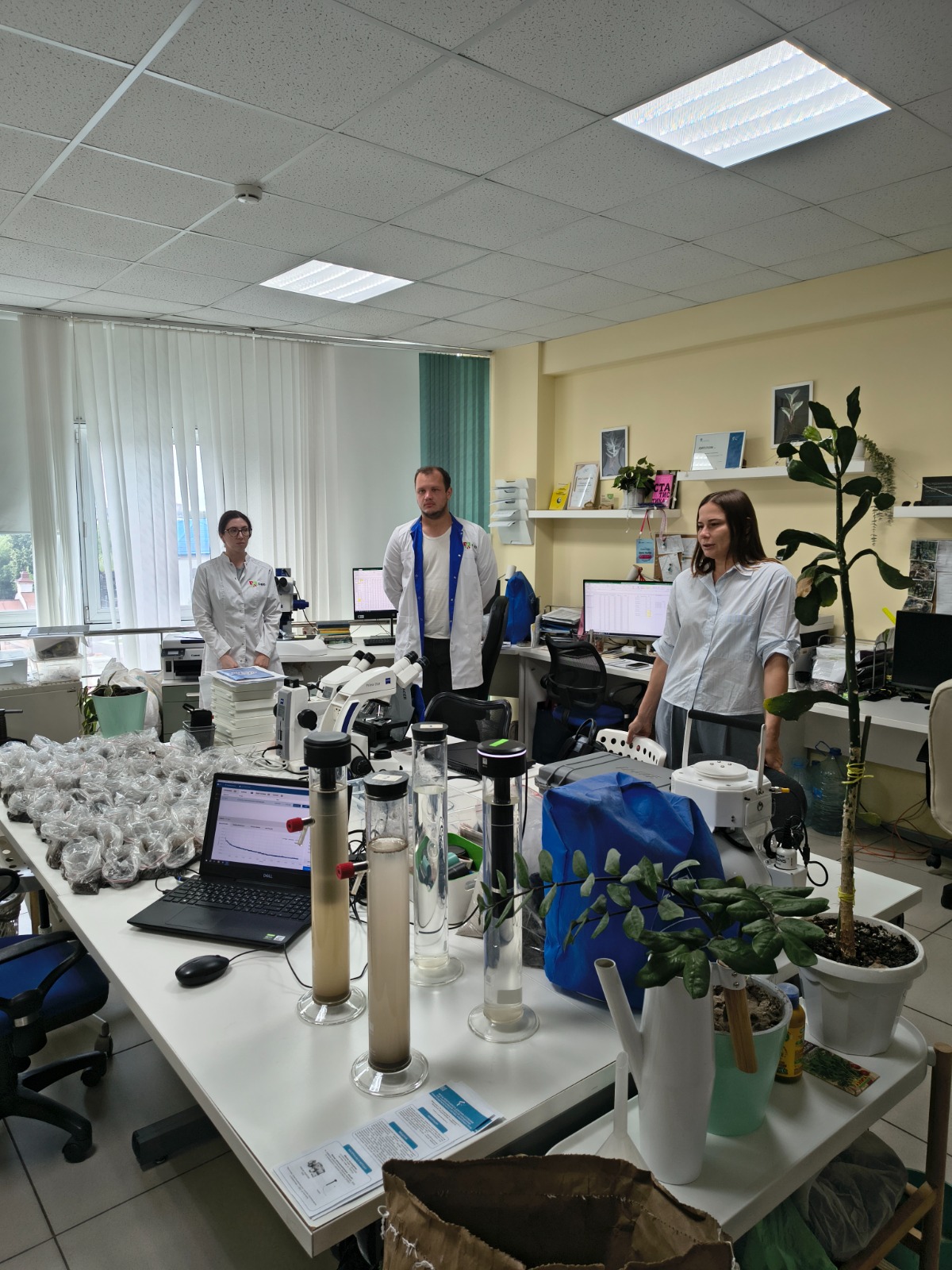
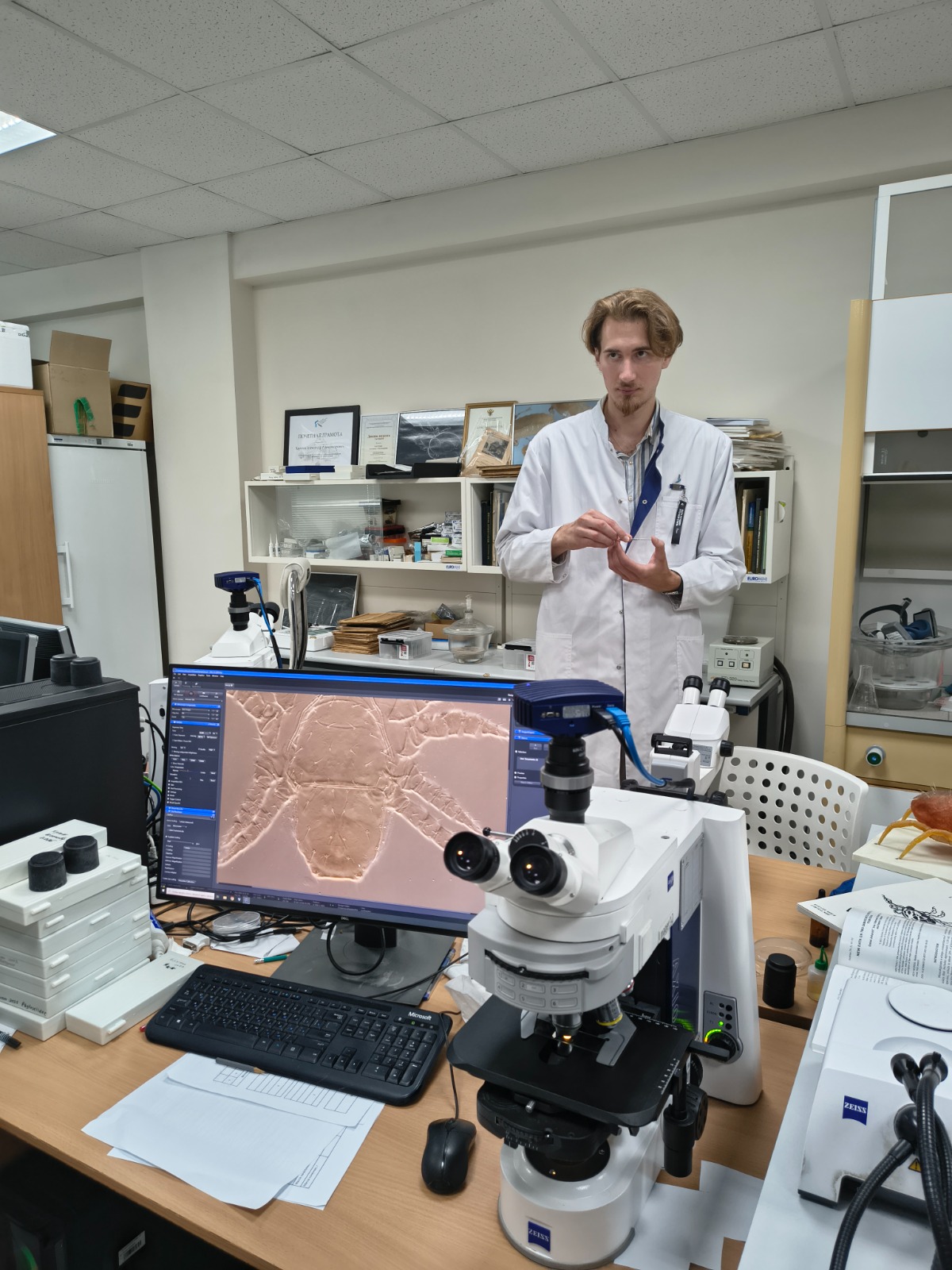
During the visit, EKTU representatives became acquainted with the University of Tyumen's advanced research infrastructure. They visited specialized laboratories, the Shared Research Facilities Center, the Institute of Environmental and Agricultural Biology (X-BIO), and the Kuchak Carbon Polygon, where they studied greenhouse gas flux monitoring systems, environmental research methodologies, and the operation of the research monitoring network.
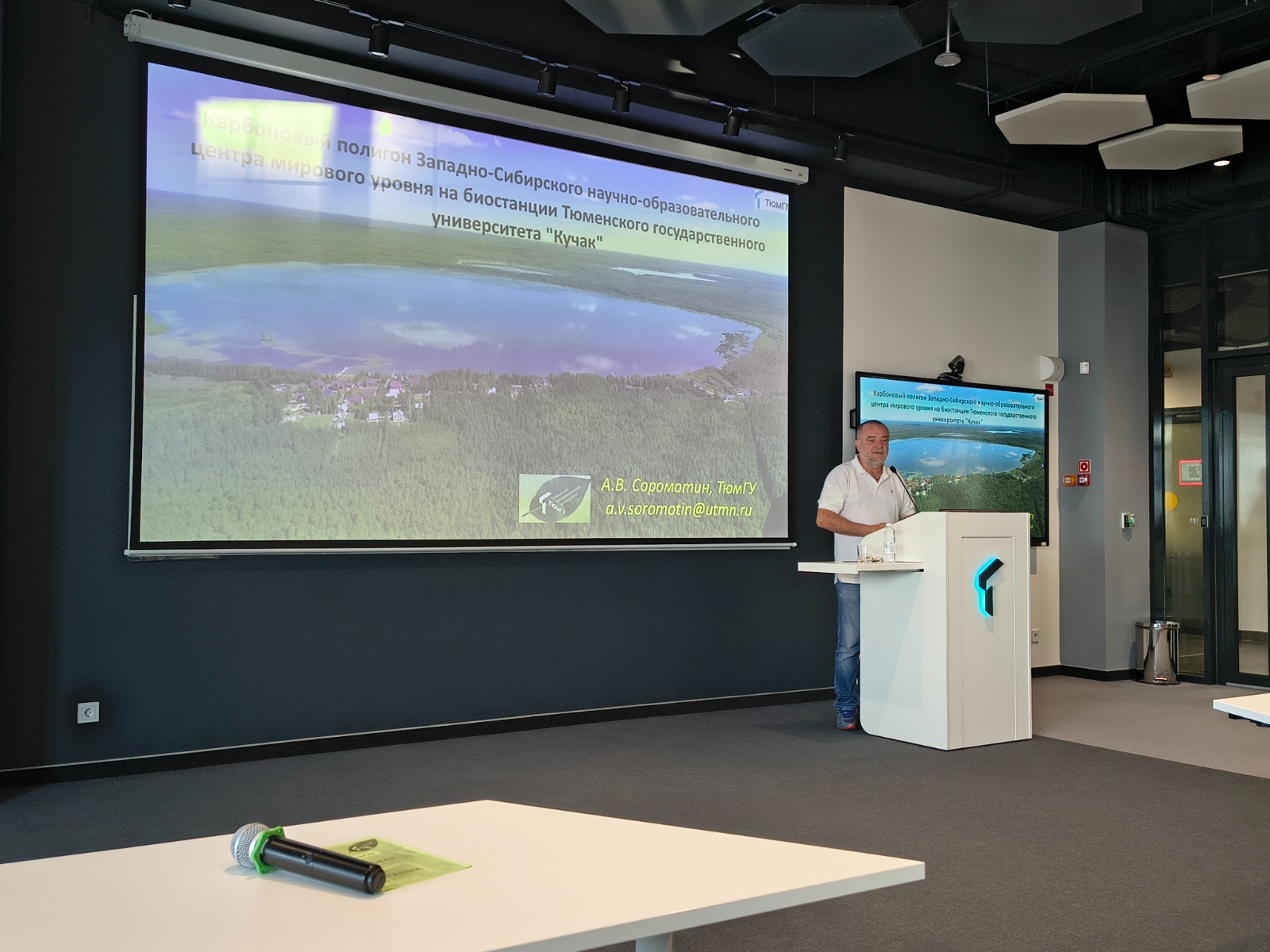
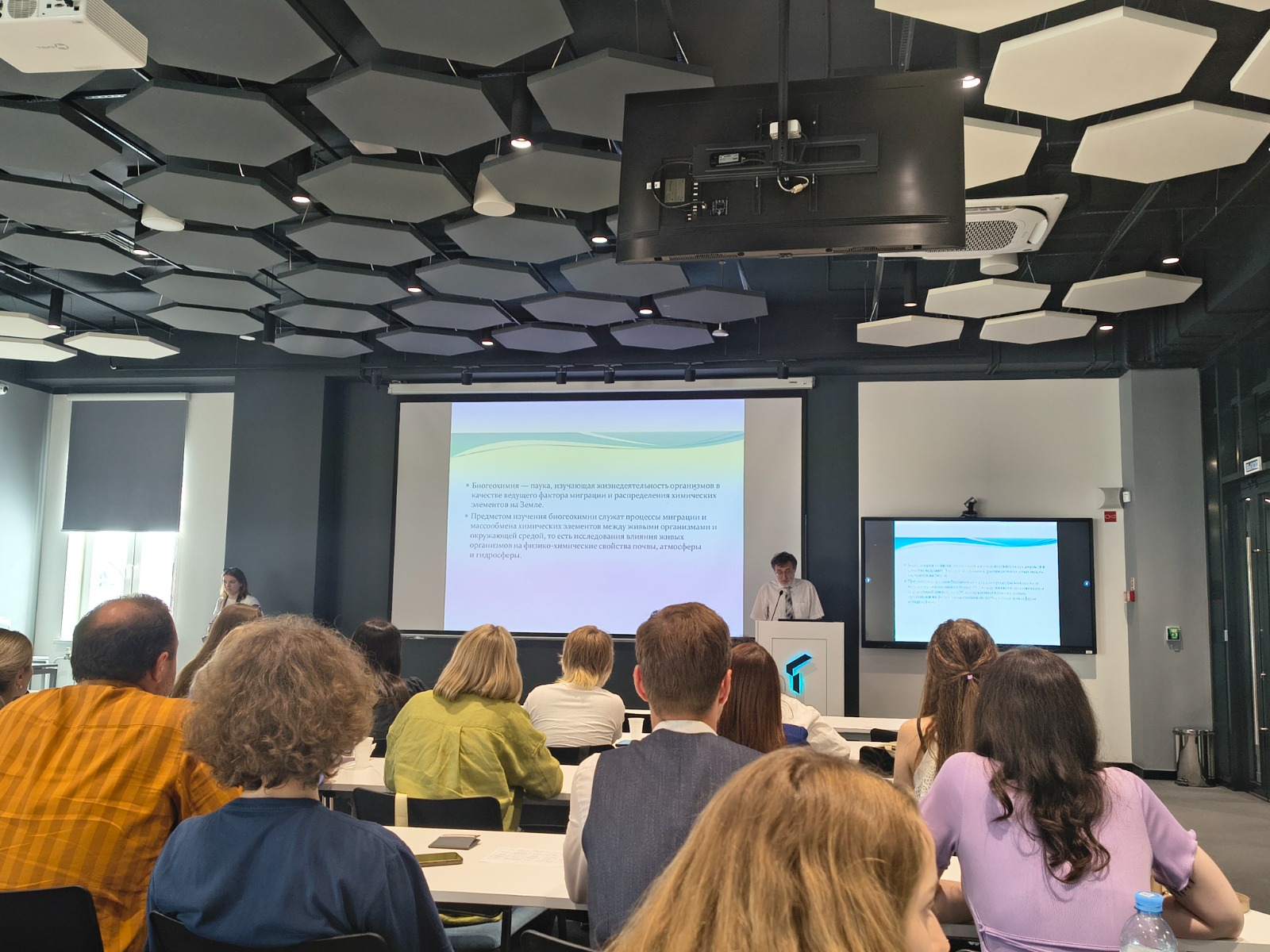
The Summer School program included lectures, practical sessions, and field activities devoted to the carbon cycle, climate change, ecosystem monitoring, and modern approaches to carbon balance assessment. The educational program opened with a lecture entitled "The University of Tyumen's Kuchak Carbon Polygon within the Russian Carbon Polygon Network" delivered by Dr. Andrey V. Soromotin, Director of the Research Institute of Ecology and Rational Use of Natural Resources at the University of Tyumen. Throughout the following days, participants learned about the University's climate projects, the biogeochemistry of soils within the carbon polygon, current research on biodiversity, soil mesofauna, plant rhizosphere microbiology, as well as issues related to decarbonization, the legal framework of climate projects, and pathways toward carbon neutrality.
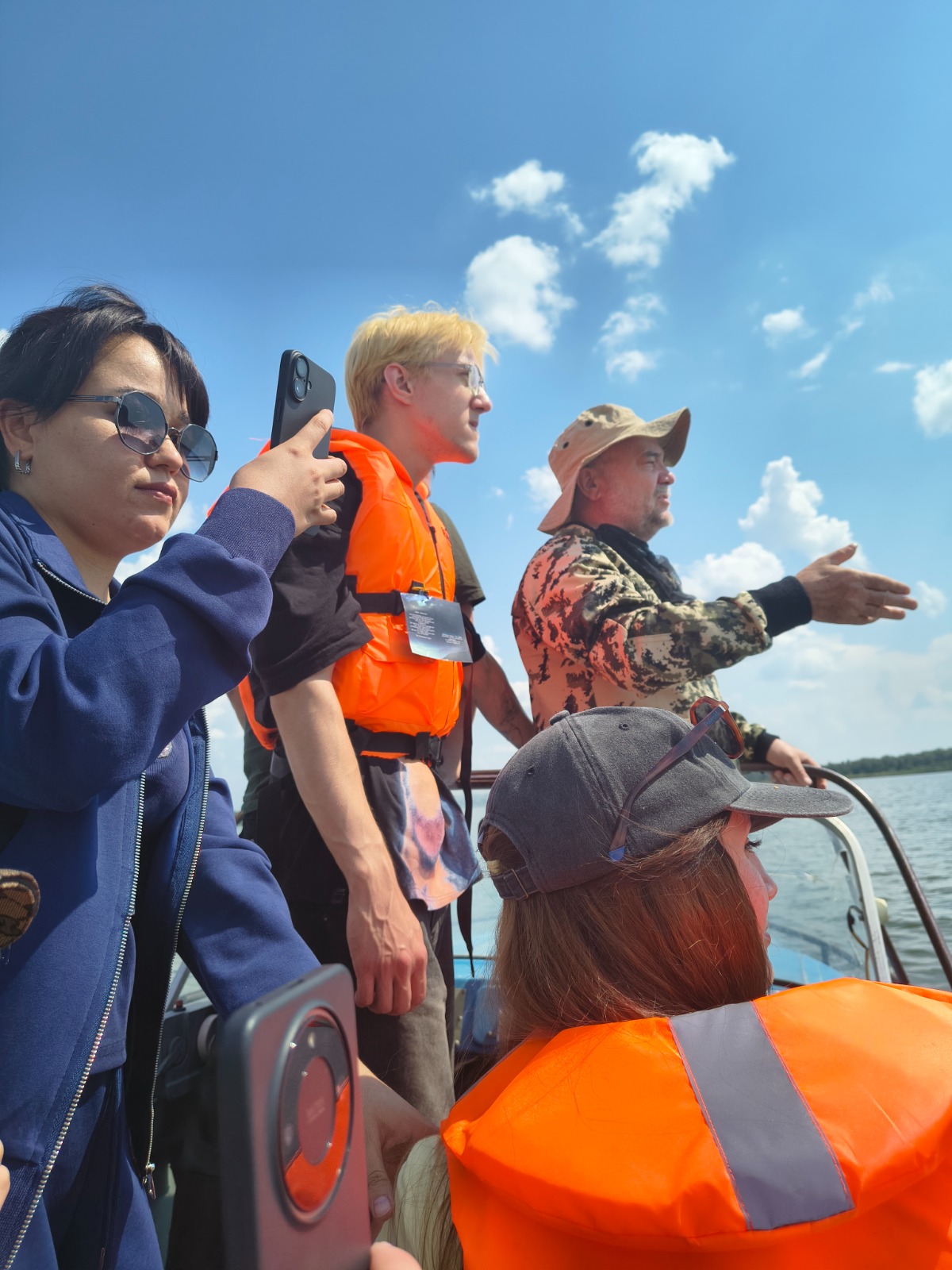
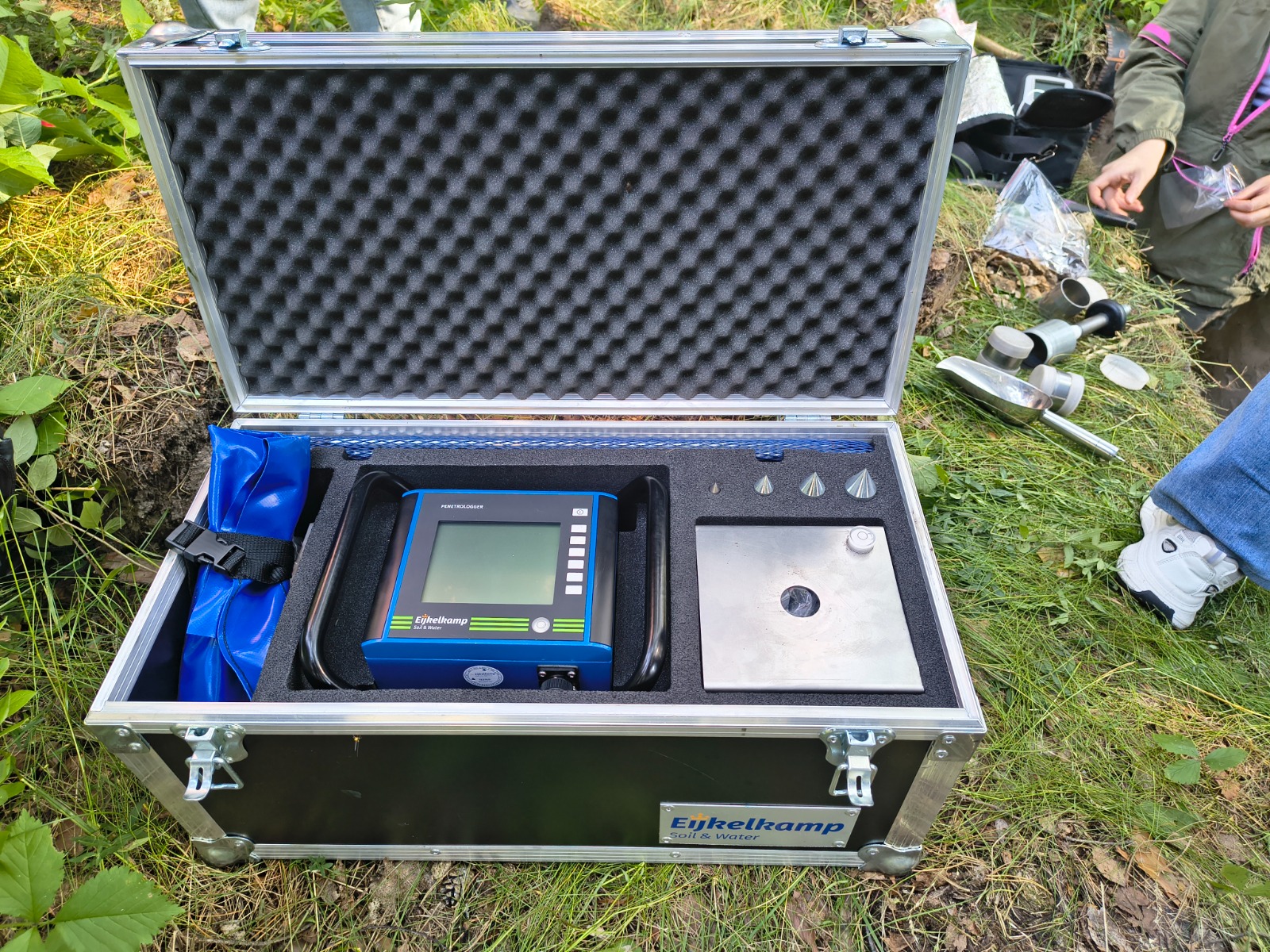
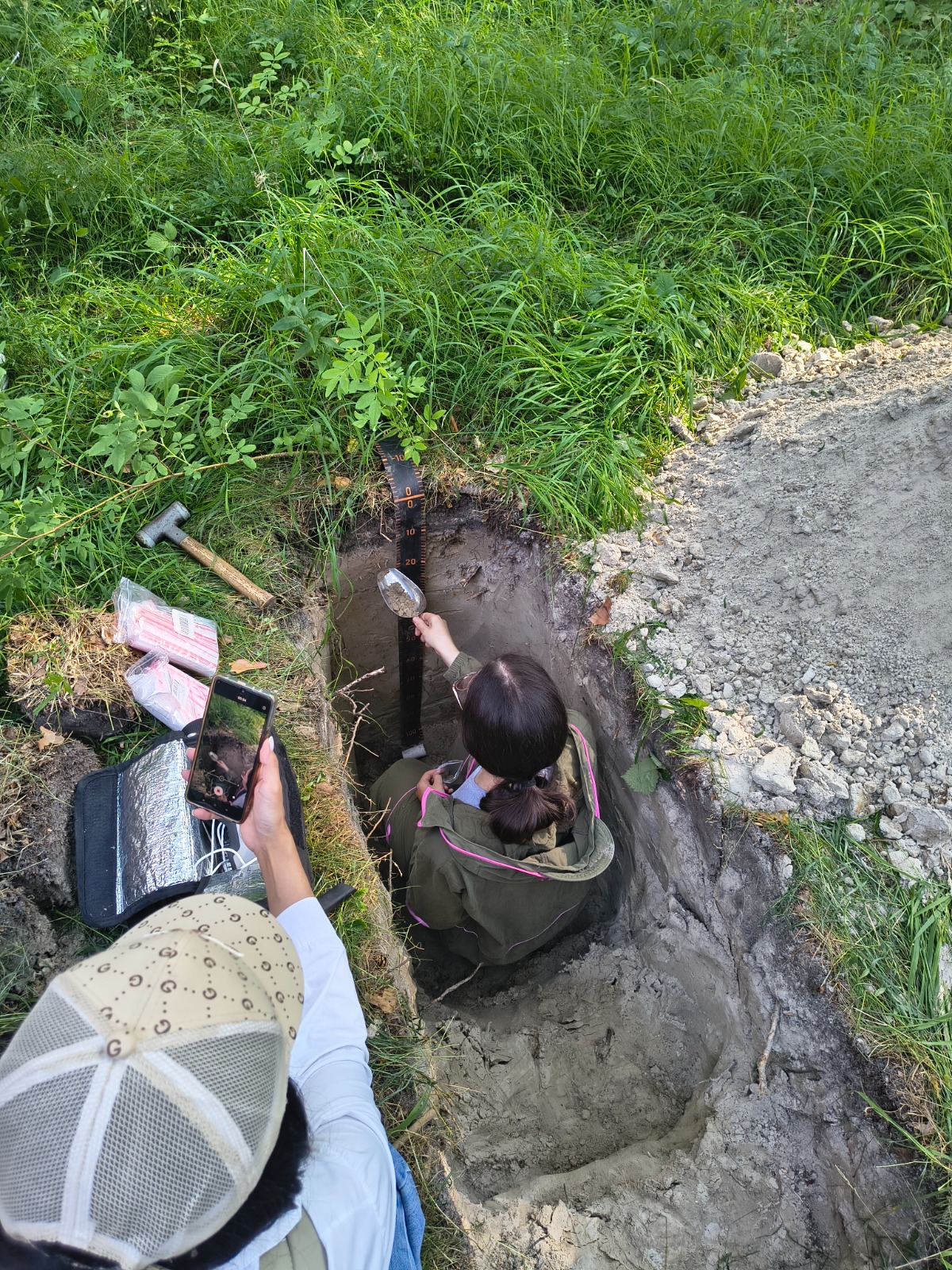
A highlight of the program was the field visit to the Kuchak Carbon Polygon, where participants explored the site's scientific infrastructure and became familiar with state-of-the-art equipment used for measuring CO₂ fluxes, monitoring atmospheric parameters, and studying soils and vegetation. They also learned about digital technologies used for processing environmental data. Young researchers from the University of Tyumen demonstrated field research techniques and shared their experience in implementing climate research projects directly at the carbon polygon.
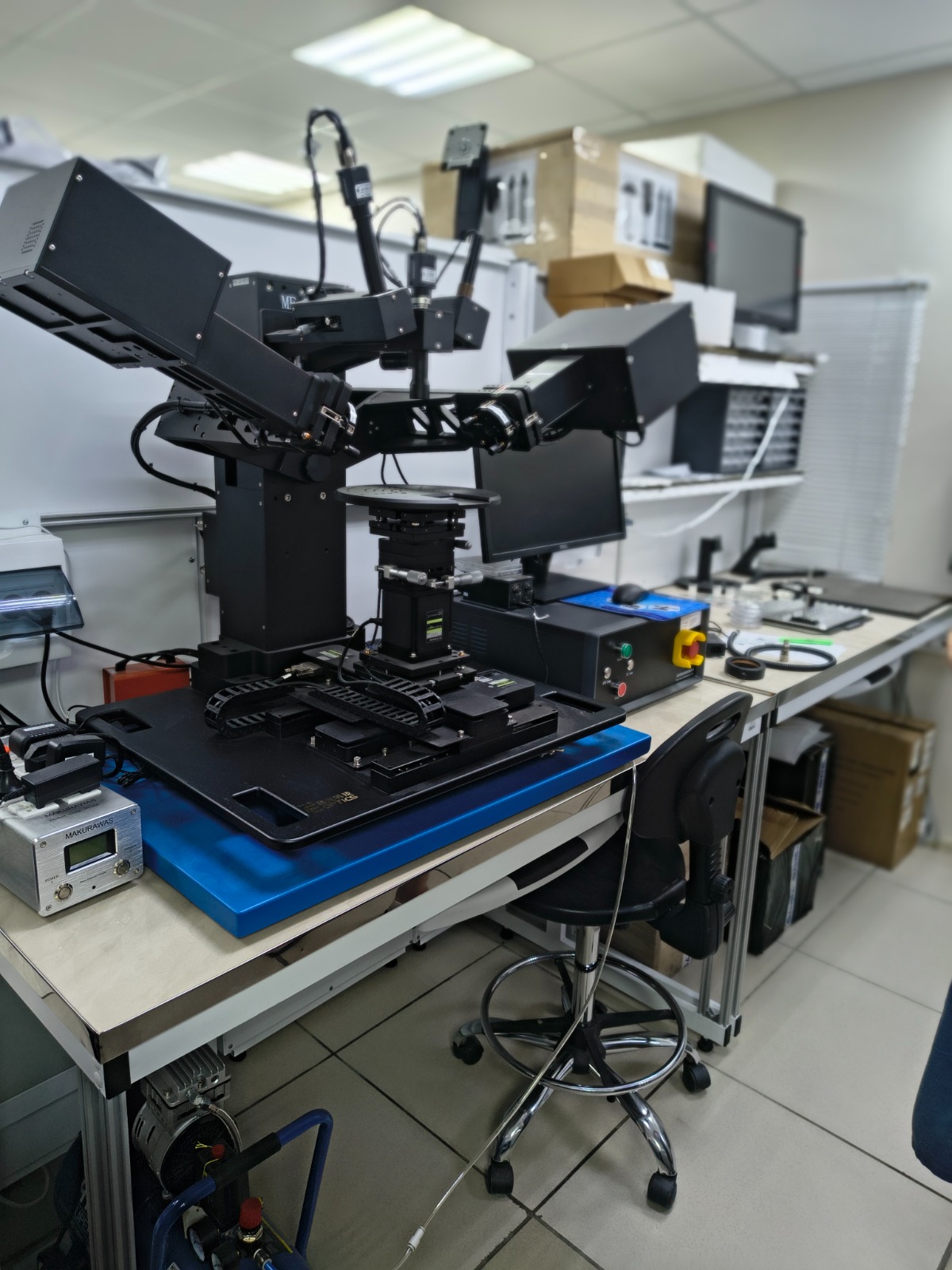
The practical component of the program also included guided tours of the University's research divisions. EKTU staff visited the Institute of Environmental and Agricultural Biology (X-BIO) and the Shared Research Facilities Center, where they explored modern laboratories, advanced analytical instruments, and ongoing research in ecology, biology, climatology, and environmental management. Particular attention was given to high-precision laboratory analysis and the application of digital technologies in environmental research.
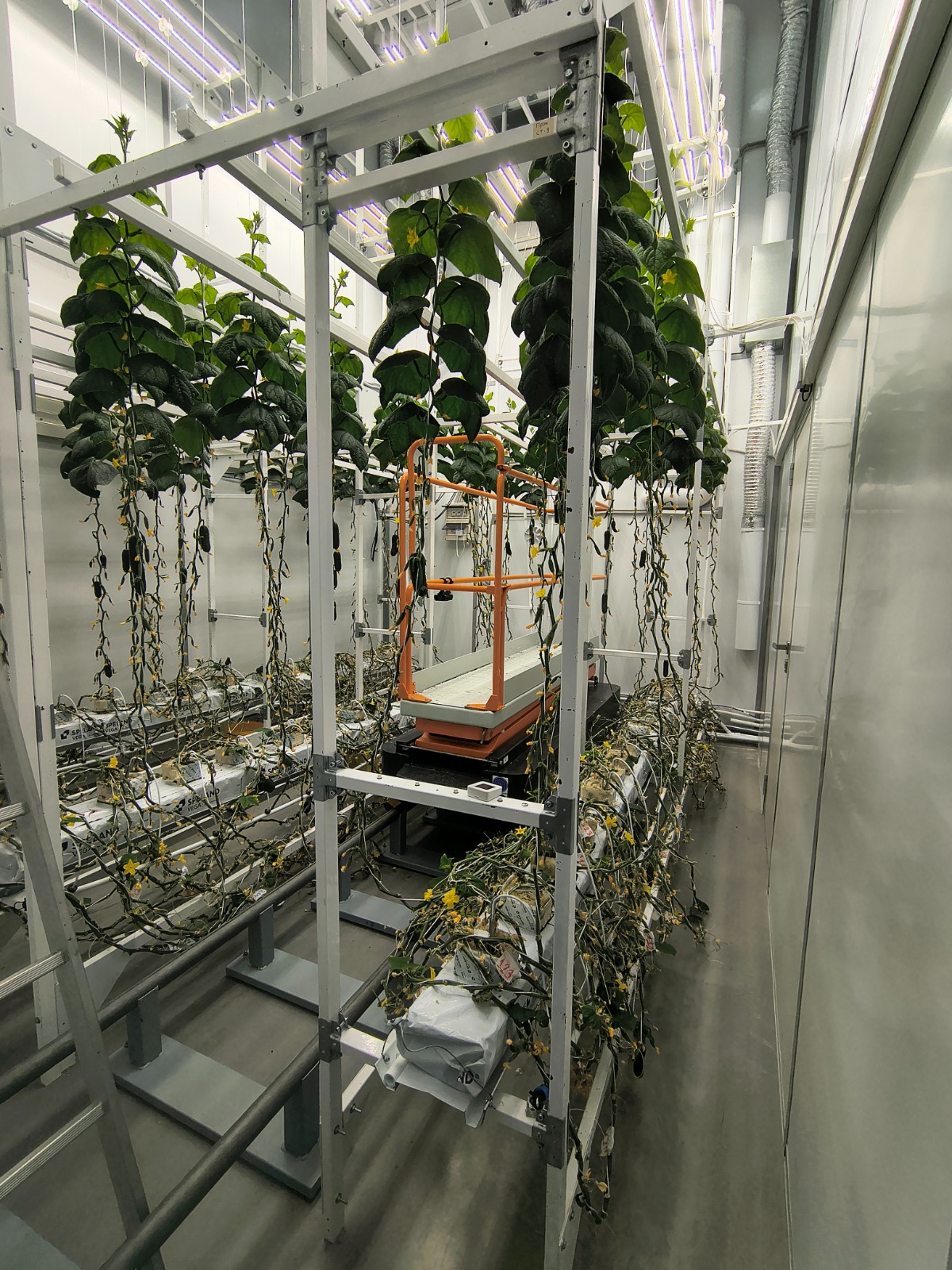
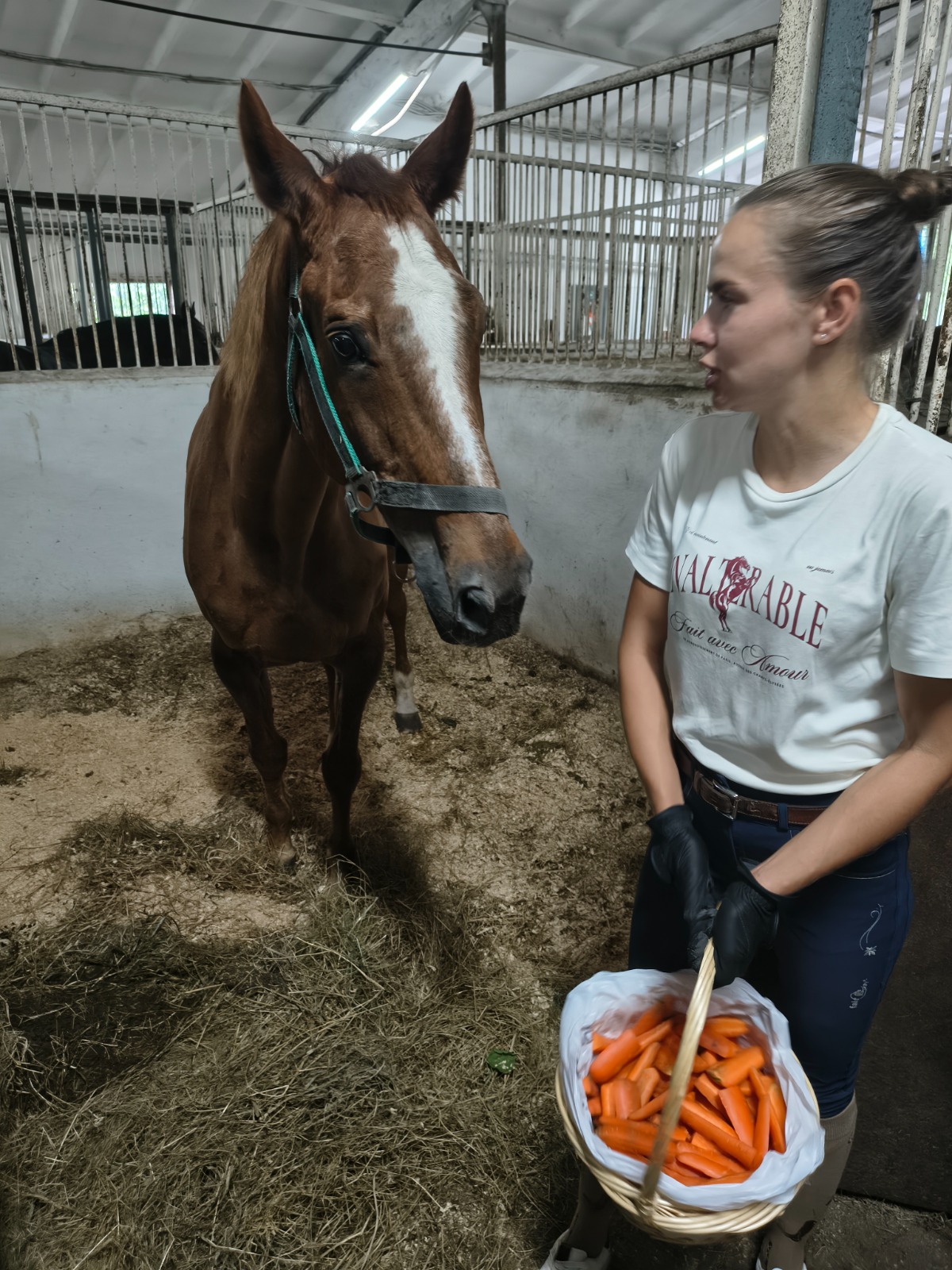
A separate day was devoted to the scientific infrastructure of the University's Agricultural Institute. Participants visited the Center for Fundamental and Applied Agricultural Biotechnologies, the Center for Genetic Resources of Farm Animals, the Yu. F. Yudichev Anatomical Museum, and the Center for Equestrian Sports. During these visits, they were introduced to innovative developments in agricultural biotechnology, breeding, veterinary science, and sustainable agricultural practices.
In addition to lectures and excursions, the Summer School featured interactive educational activities. Participants took part in the business game "Climate Risks in the Tyumen Region," the simulation game "Carbon Balance: A Strategy for Agribusiness," networking sessions, and discussions focused on climate adaptation strategies and carbon footprint reduction. These interactive formats fostered collaboration among participants from different countries and created opportunities to discuss future joint research initiatives.
Furthermore, EKTU researchers became acquainted with ongoing scientific projects in ecology, environmental management, and the agricultural sector, as well as research conducted by postgraduate students and young scientists investigating interactions between natural ecosystems and human activities under changing climatic conditions. The experience gained will contribute to the further development of EKTU's own research initiatives.
During the visit, the EKTU delegation met with Andrey V. Tolstikov, First Vice-Rector of the University of Tyumen. The meeting focused on expanding scientific cooperation, academic mobility, and joint educational programs. One of the key outcomes of the visit was the strengthening of partnership between the two universities. Under the existing cooperation agreement, both institutions agreed to jointly advance research in carbon neutrality, establish a carbon polygon, develop joint educational programs, promote academic mobility, and organize future summer schools and scientific events.
The knowledge and practical experience gained during the Summer School will be applied to the establishment of a carbon polygon at EKTU's "Prostor" summer expedition campus, representing an important step in advancing the University's research on greenhouse gas monitoring, climate change, and carbon neutrality.