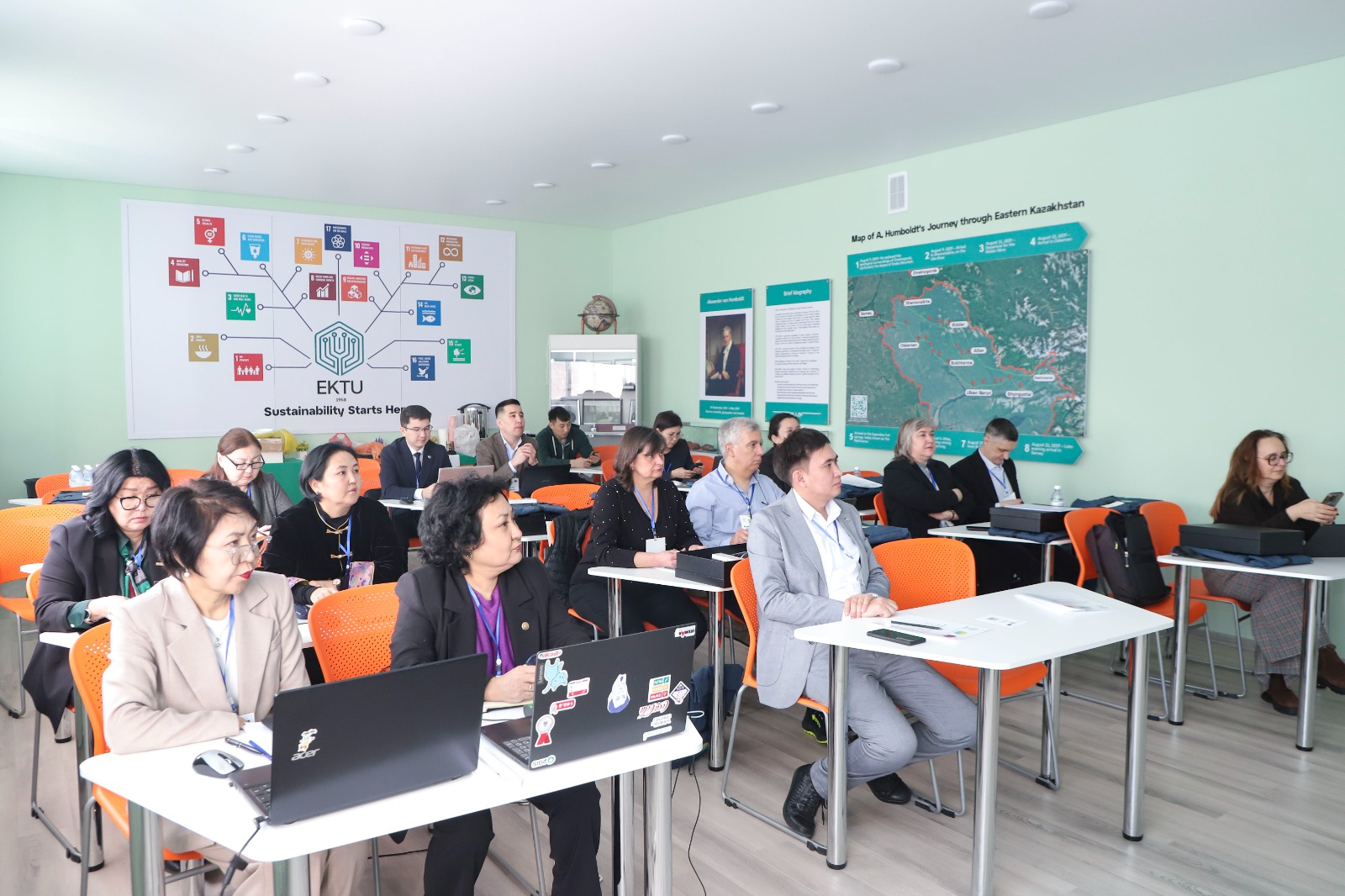
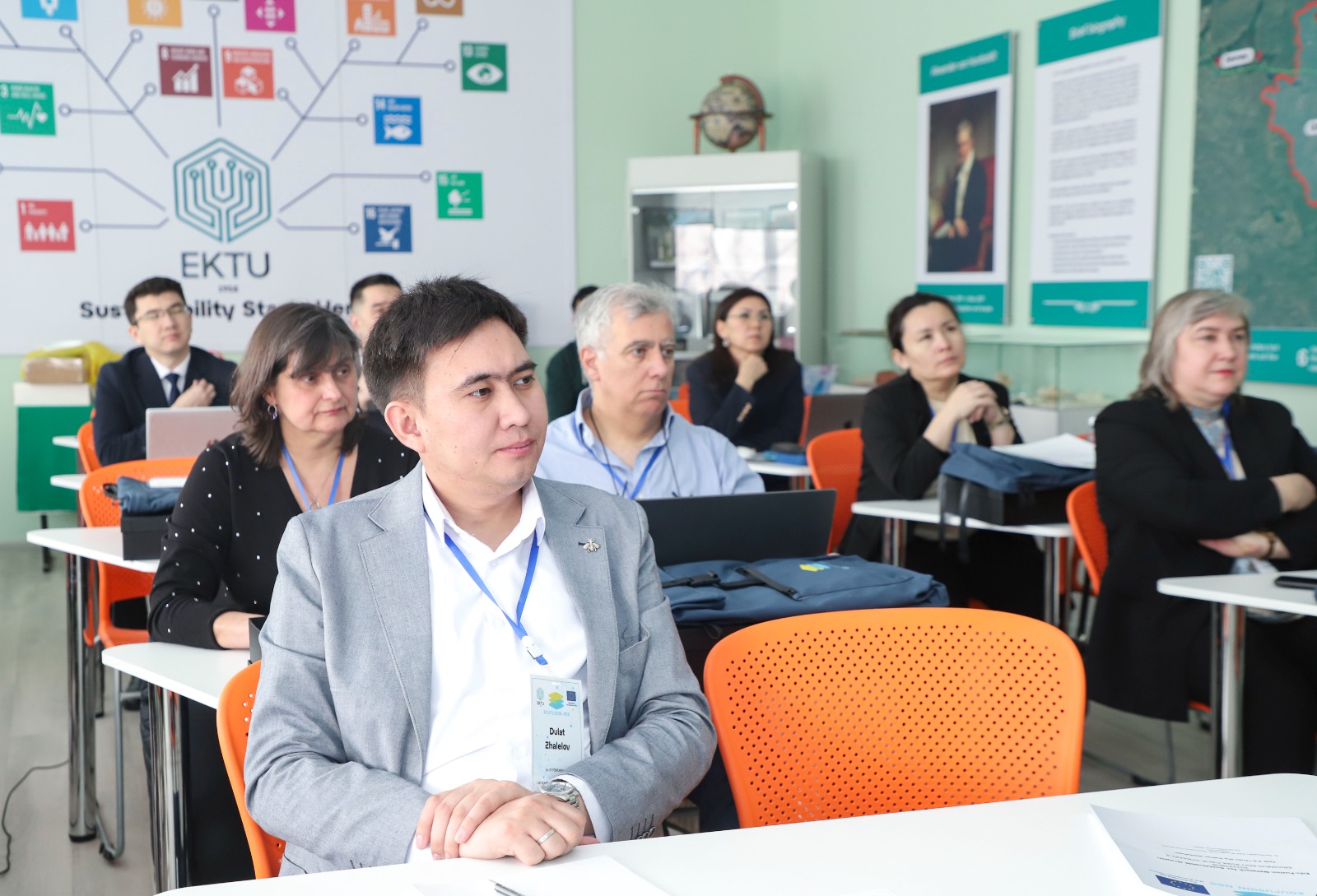
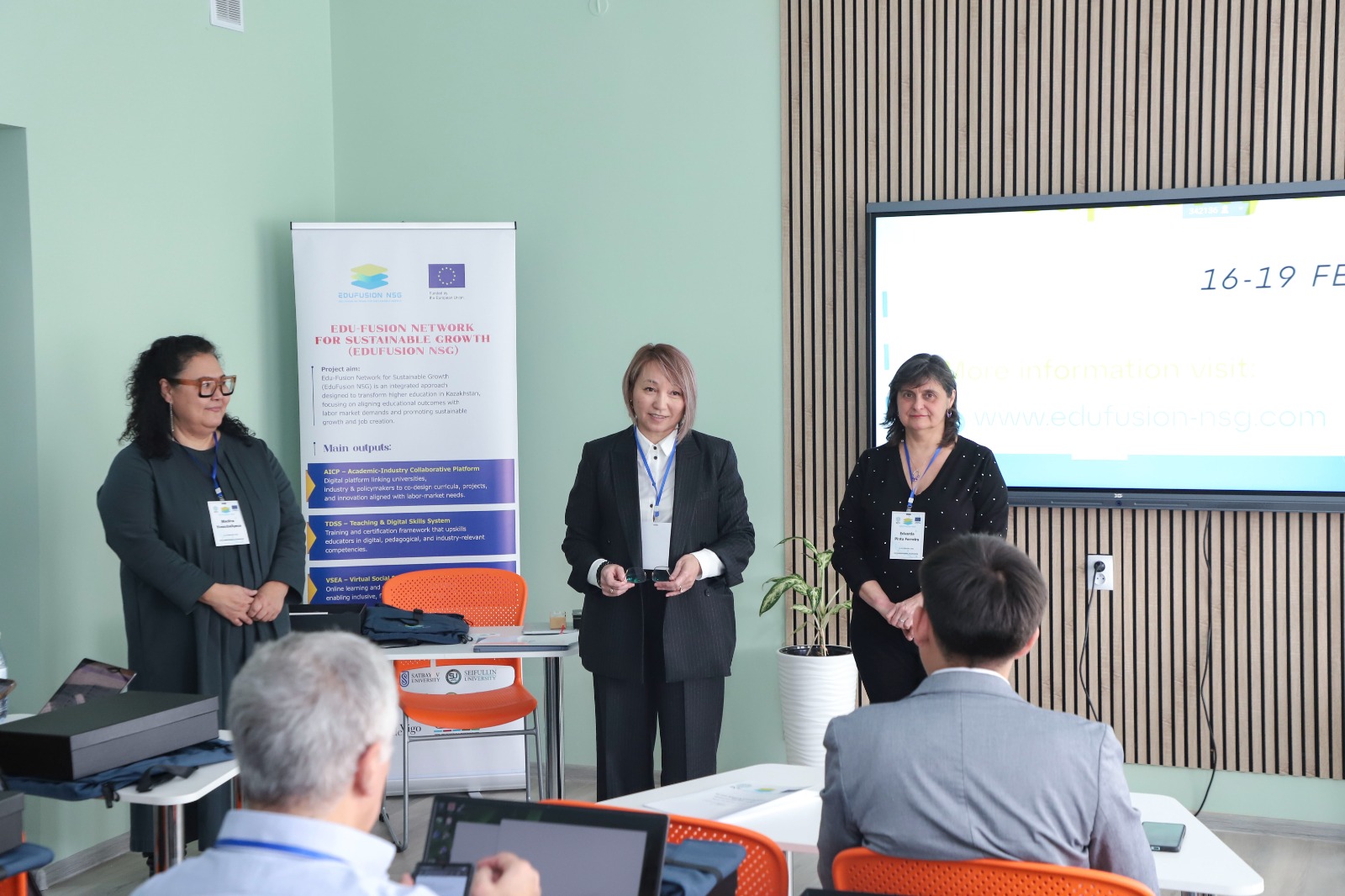
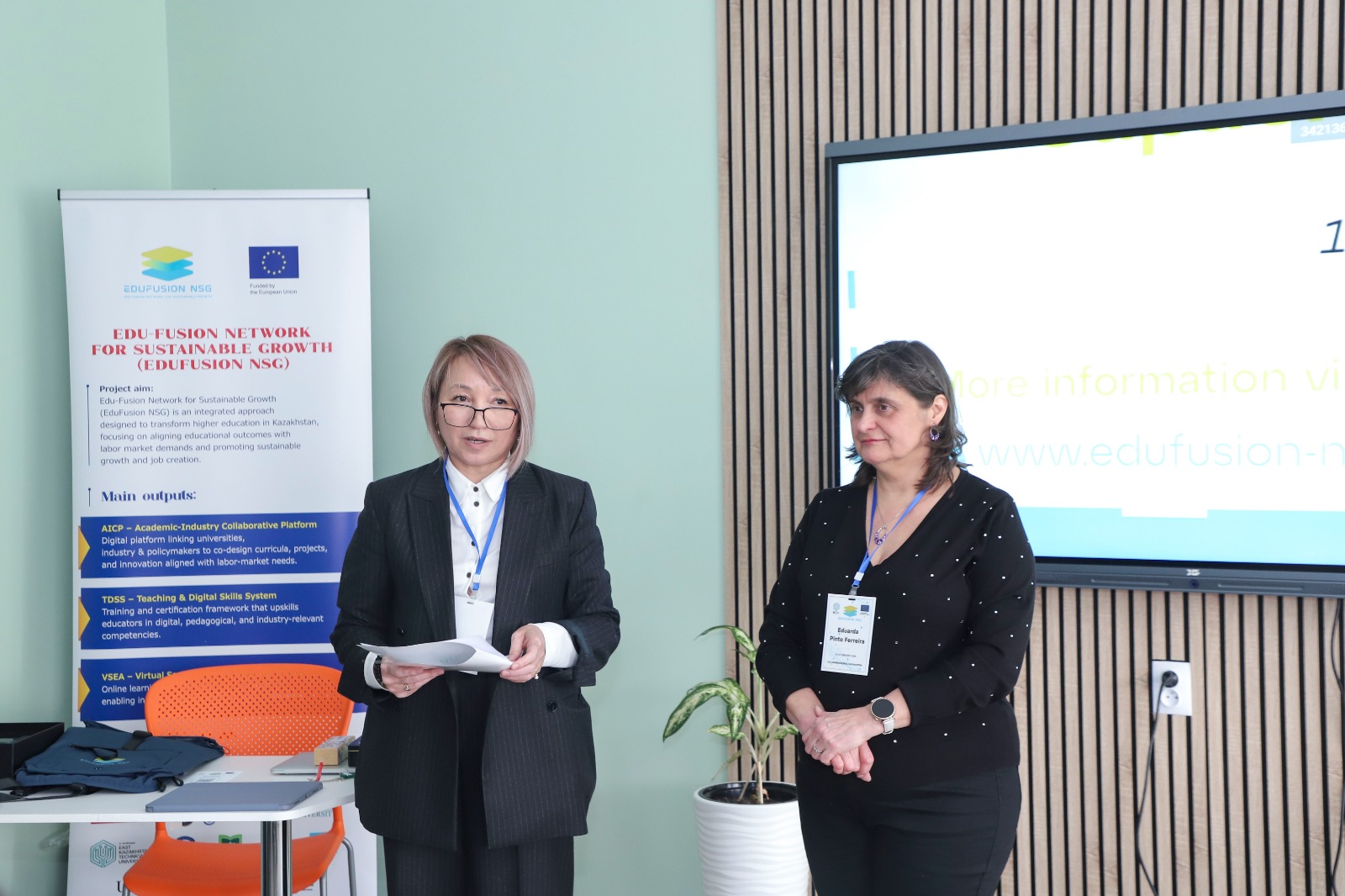
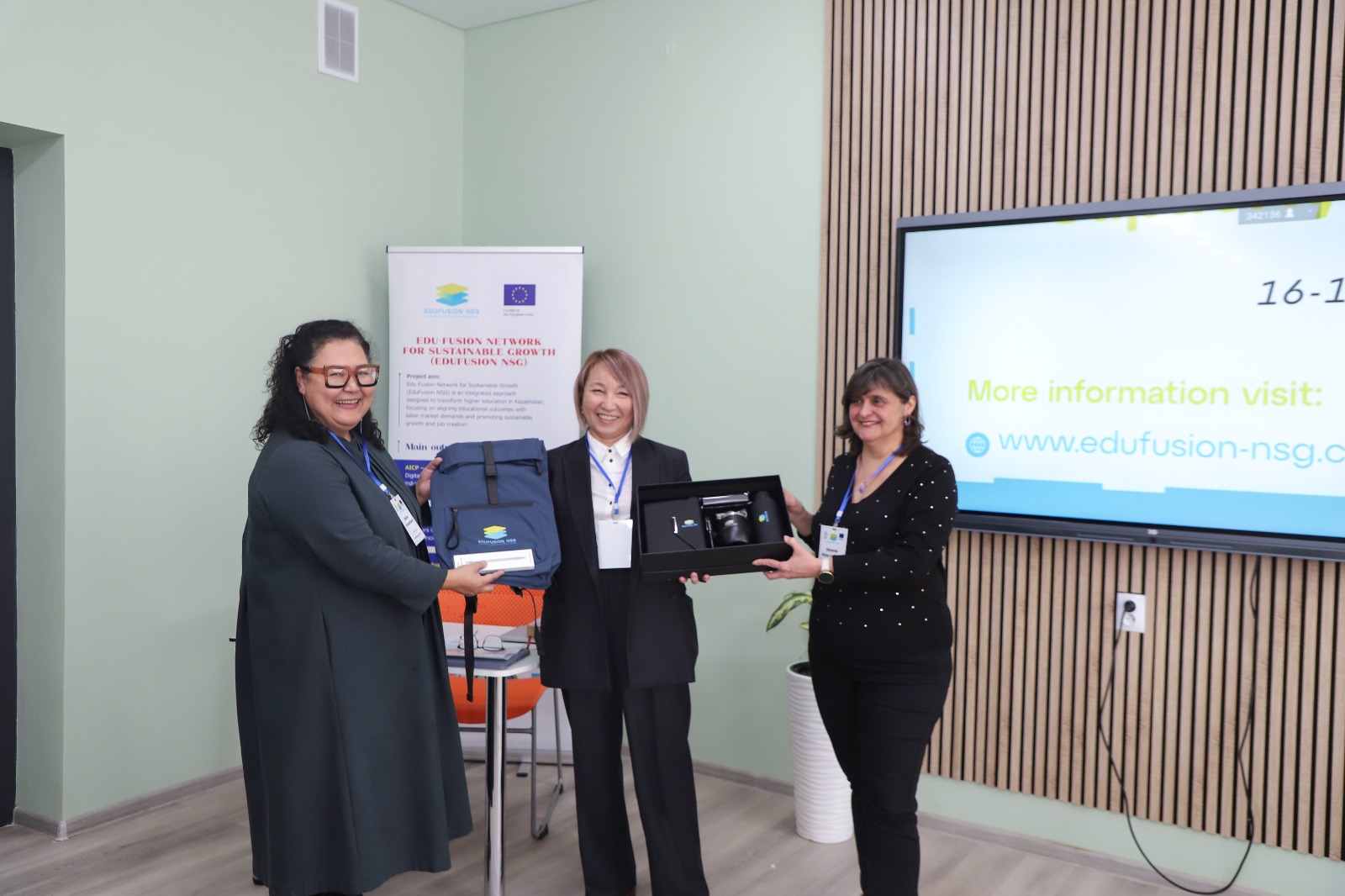
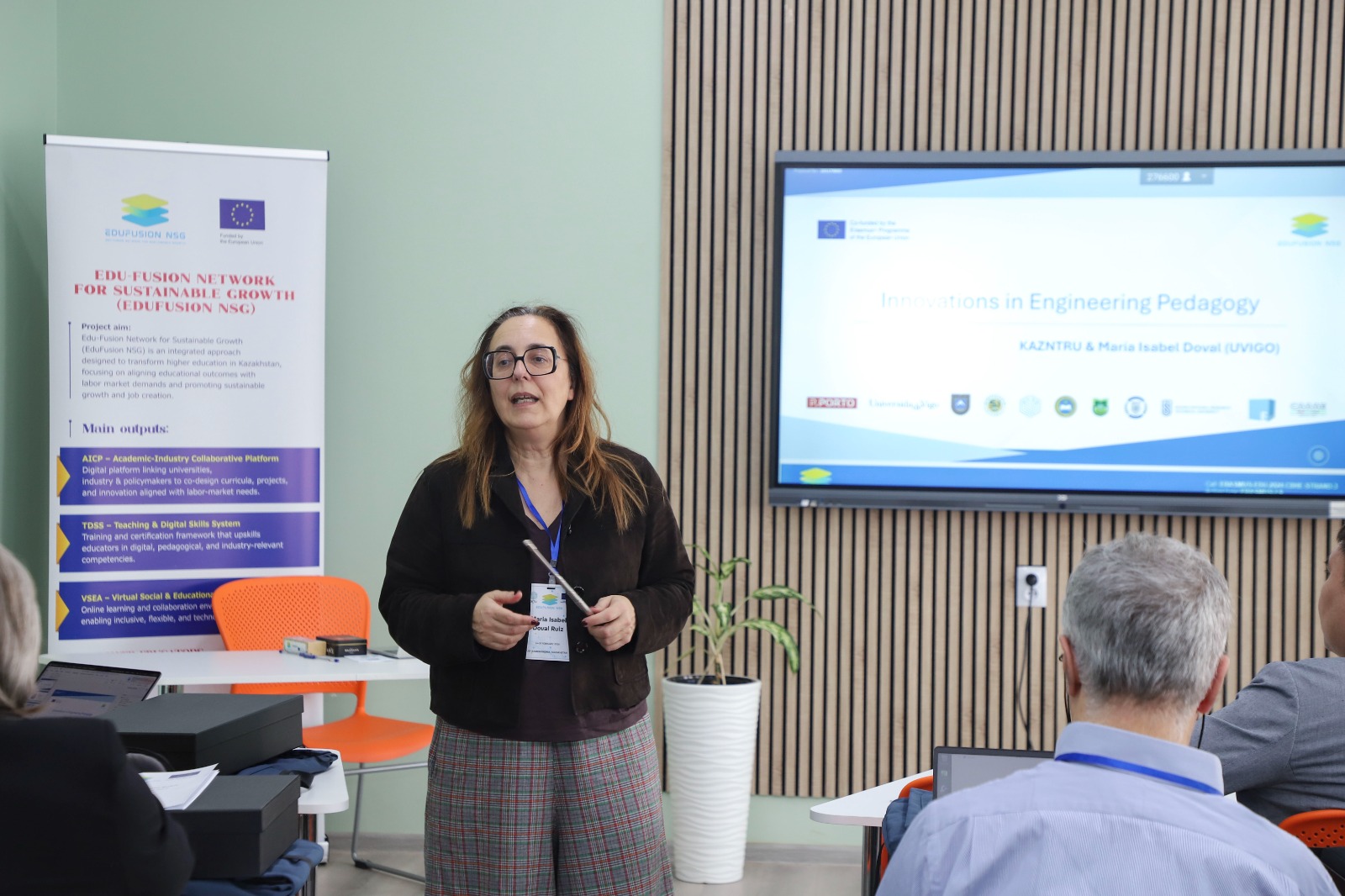
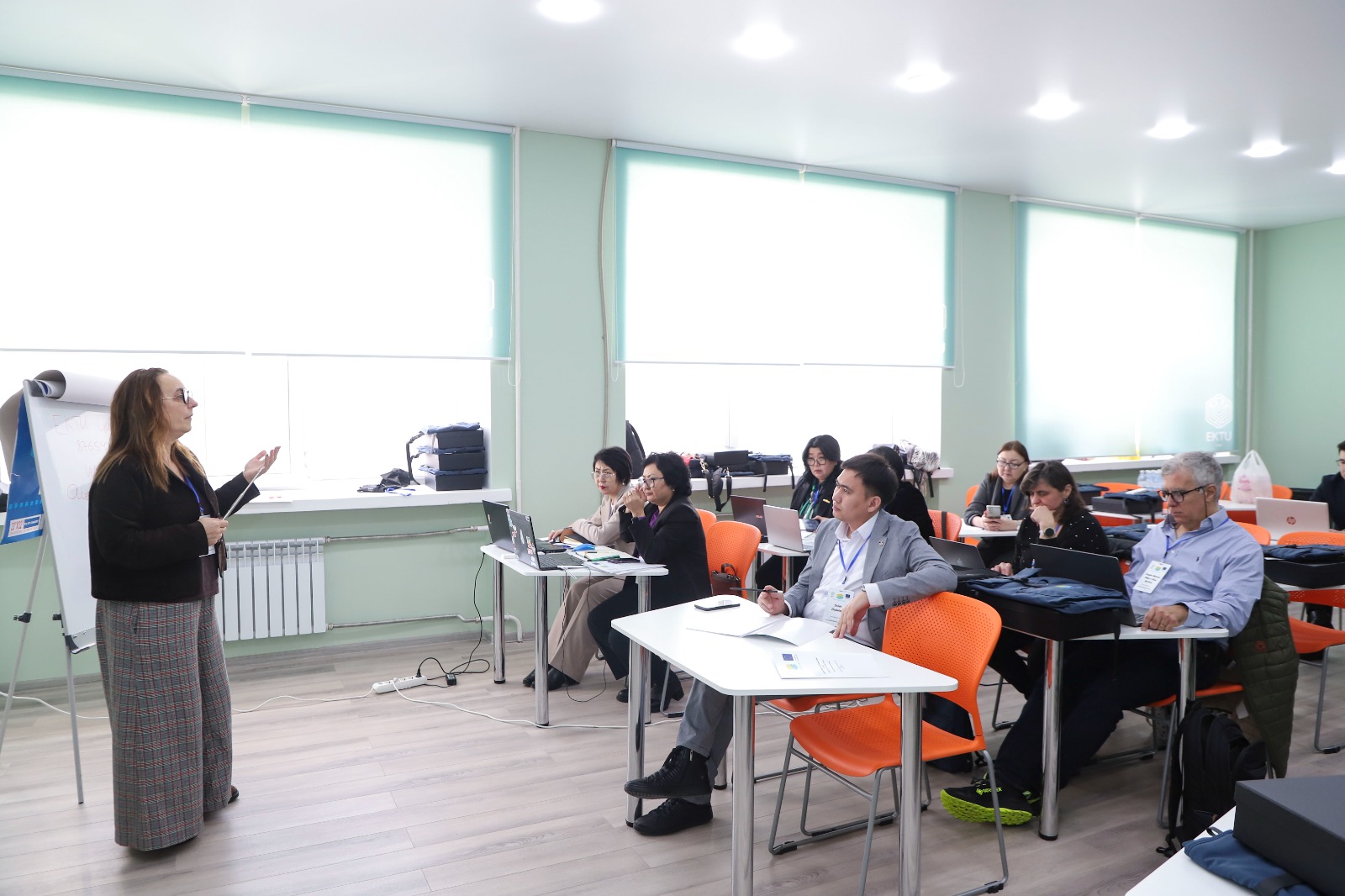
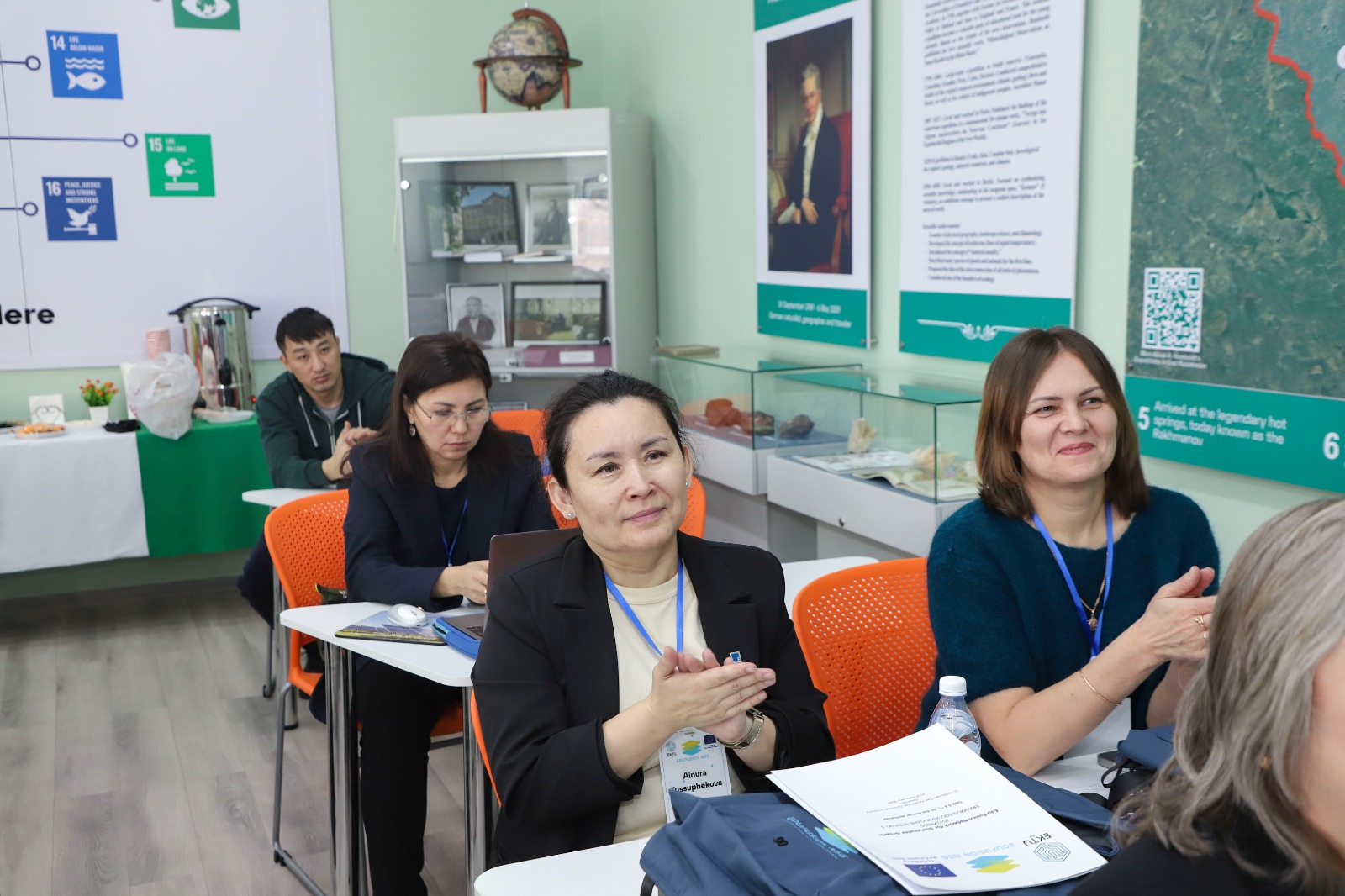
On 16 February 2026, a Train-the-Trainer Capacity-Building Workshop was launched at D. Serikbayev East Kazakhstan Technical University (EKTU) within the Erasmus+ project Edu-Fusion Network for Sustainable Growth (Edu-Fusion NSG) (ERASMUS-EDU-2024-CBHE-STRAND-3, Grant Agreement No. 101179805). The event is aimed at strengthening teaching staff capacity and enhancing the University's institutional capabilities in adopting modern approaches to the design and delivery of academic programmes.
Edu-Fusion NSG is a comprehensive initiative intended to transform higher education in Kazakhstan by aligning learning outcomes more closely with labour-market needs, supporting sustainable economic growth, and contributing to job creation. The project is building an ecosystem grounded in stronger university-industry cooperation, international teacher training and certification, as well as the development of market-relevant online courses that simultaneously foster entrepreneurship competencies at the national level.
Over four days, participants engage in thematic modules that address key components of contemporary engineering pedagogy and educational innovation: Engineering Pedagogy & Learner Engagement (Module 1), Digital, Practice-Based & Systems Learning (Module 2), Competence-Based Design, Assessment & Sustainability (Module 3), and Leadership, Innovation & Professional Responsibility (Module 4). The programme content focuses on increasing learner engagement, expanding practice-based and digital learning formats, integrating systems thinking, and strengthening competence-based curriculum design and assessment tools with embedded sustainability principles.
The Train-the-Trainer session at EKTU provides a foundation for scaling up the project's results through a cascade approach to disseminating new teaching methods and standards, updating courses, and reinforcing employer engagement in the design of educational pathways. The competencies acquired and approaches developed are expected to improve graduate training quality, strengthen professional responsibility and leadership practices among faculty, and ensure the sustainable modernisation of the University's educational environment in line with current socio-economic challenges.