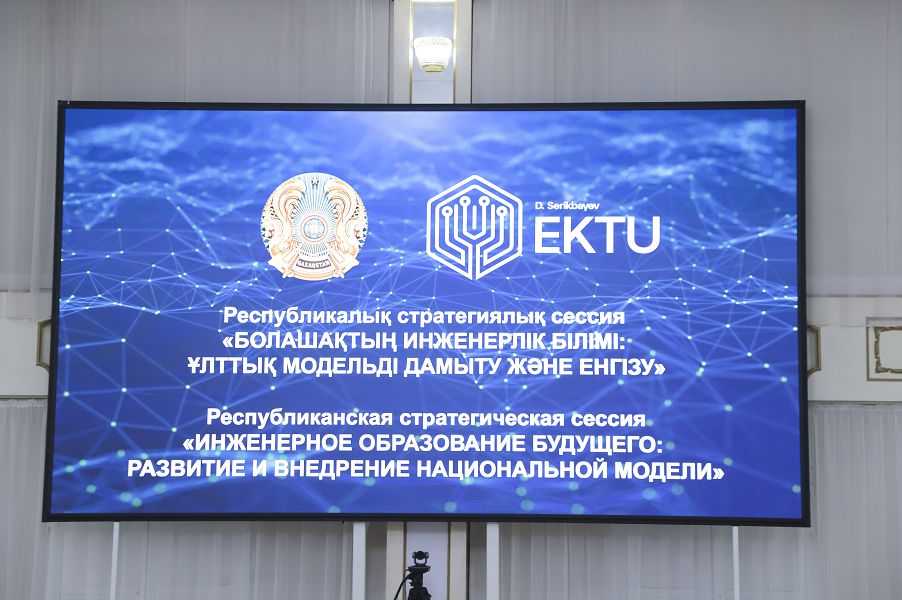
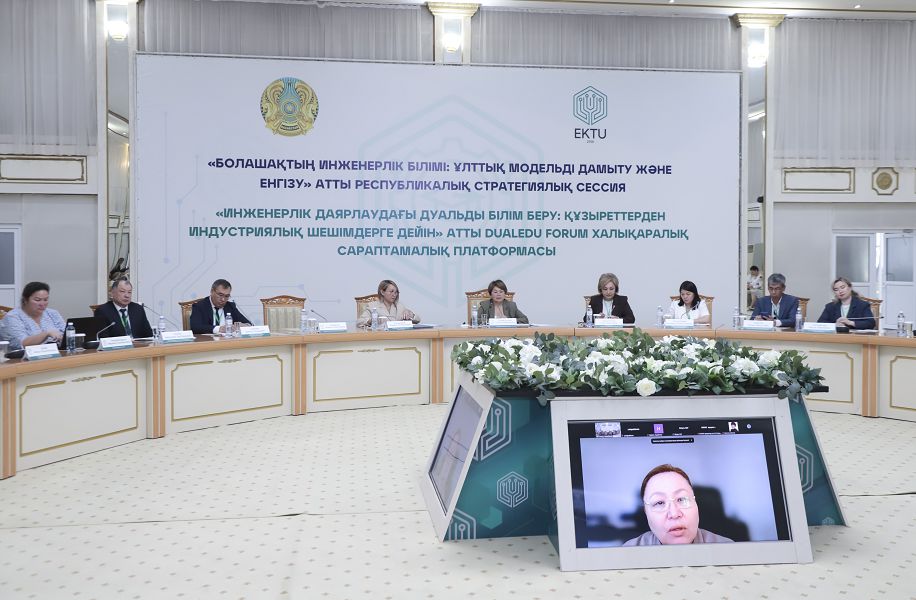
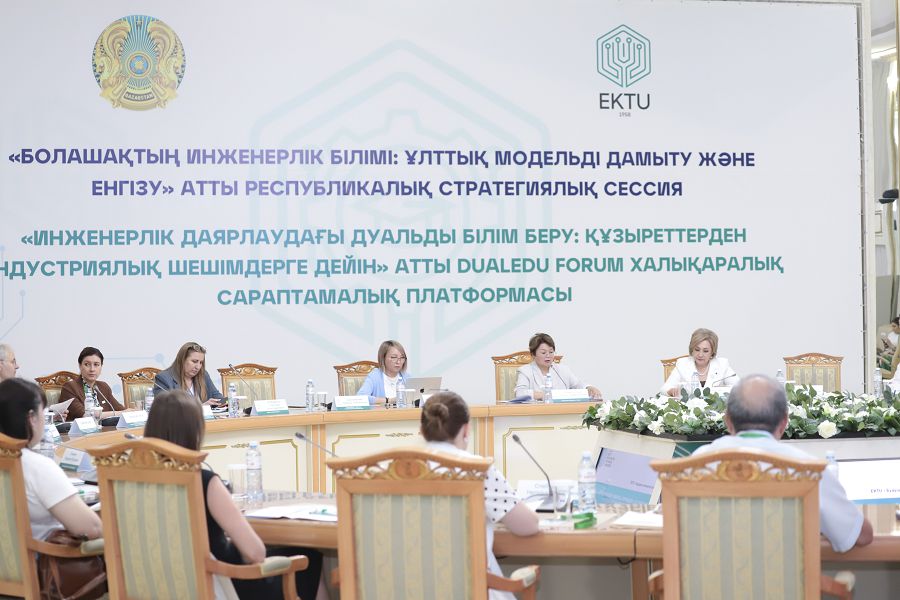
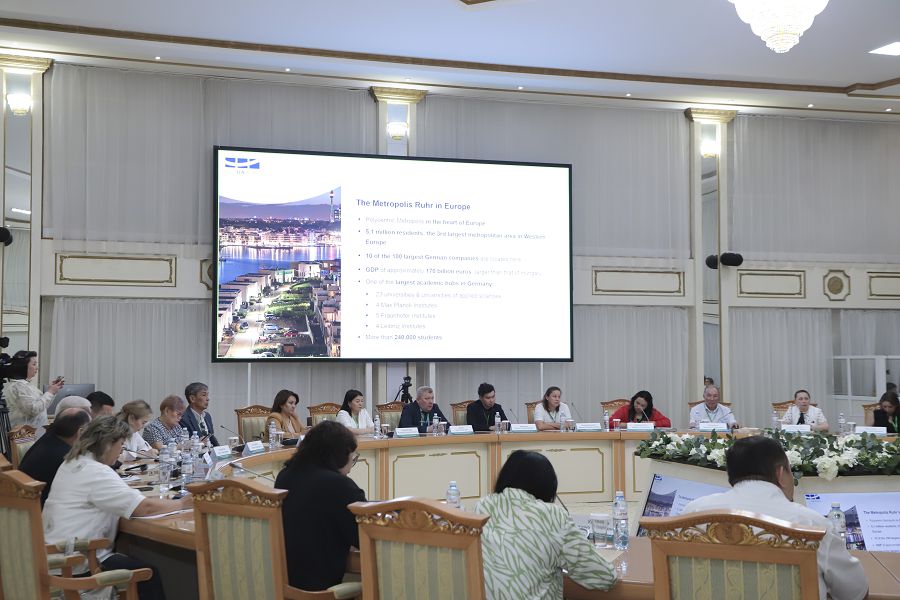
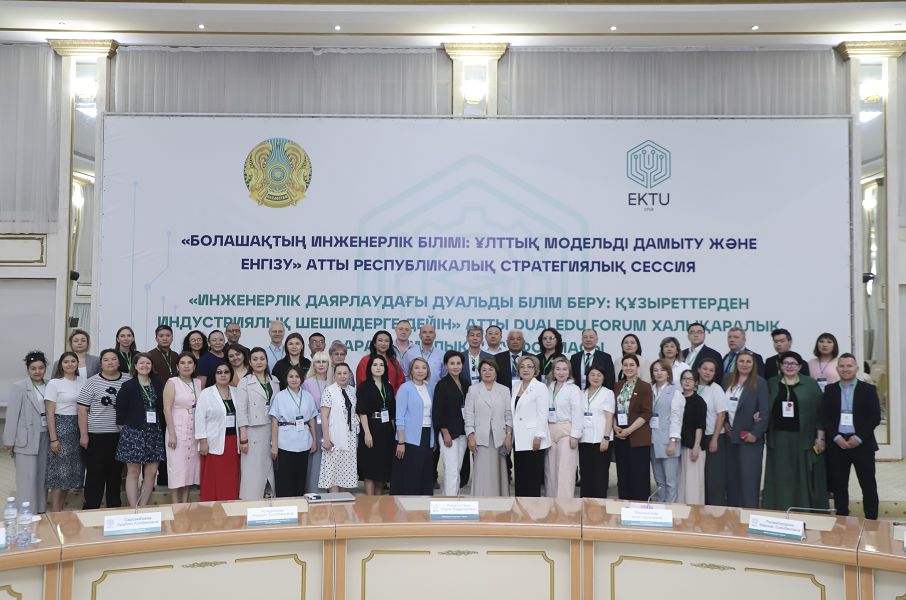
Д. Серікбаев атындағы Шығыс Қазақстан техникалық университеті инженерлік білім берудің келешегін талқылау үшін жетекші сарапшыларды, мемлекеттік органдардың, бизнес пен академиялық қауымдастықтың өкілдерін біріктірді. Университет базасында «Болашақтың инженерлік білімі: ұлттық модельді дамыту және енгізу» атты республикалық стратегиялық сессия және «Инженерлік даярлаудағы дуалды білім беру: құзыреттерден индустриялық шешімдерге дейін» тақырыбындағы халықаралық сараптамалық DualEdu Forum платформасы өтті.
Қазақстан Республикасы Ғылым және жоғары білім министрлігінің қолдауымен ұйымдастырылған іс-шаралар еліміздің технологиялық дамуына қажетті жаңа буын инженерлерін даярлауға бағытталған Инженерлік білім берудің ұлттық моделін әзірлеу мен ілгерілетудің маңызды кезеңіне айналды.
Іс-шараларға ҚР Ғылым және жоғары білім министрлігінің өкілдері, Қазақстанның жетекші жоғары оқу орындарының басшылары, Германия, Өзбекстан және Әзербайжан елдерінен келген халықаралық сарапшылар, сондай-ақ ірі өнеркәсіптік компаниялар мен бизнес-қоғамдастық өкілдері қатысты.
Стратегиялық сессияның басты оқиғаларының бірі Д. Серікбаев атындағы ШҚТУ Басқарма төрағасы – ректоры Сауле Рахметуллина ұсынған Инженерлік білім берудің ұлттық моделінің архитектурасын талқылау болды. Аталған модель Pre-University - University - Post-University қағидатына негізделген үздіксіз даярлау траекториясын қамтиды және экономика мен өндірістің заманауи талаптарына жауап беретін инженерлік кадрларды даярлаудың жаңа жүйесін қалыптастыруға бағытталған.
Пленарлық отырыста ҚР Ғылым және жоғары білім министрлігі Жоғары және жоғары оқу орнынан кейінгі білім беру комитетінің төрағасы Гүлзат Джарасова инженерлік білім беруді дамыту және елдің технологиялық өсімін қамтамасыз ететін адами капиталды қалыптастыру саласындағы мемлекеттік саясаттың стратегиялық басымдықтарын таныстырды.
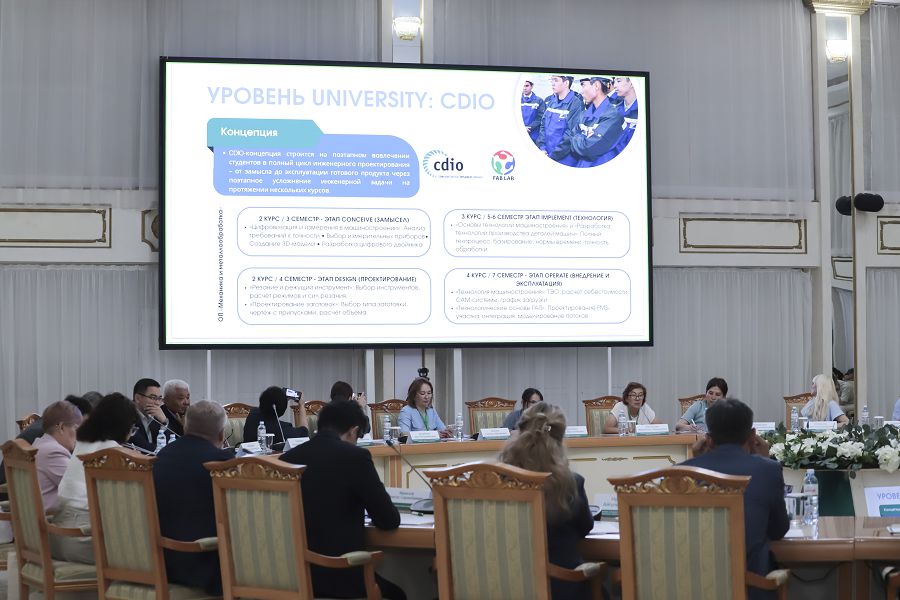
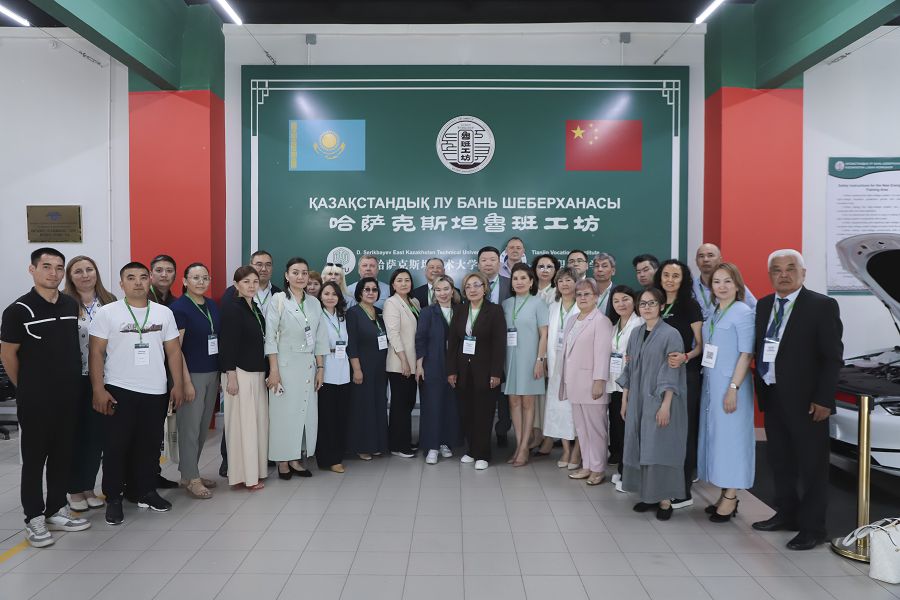
Қатысушылардың ерекше назарында инженерлерді тәжірибеге бағытталған даярлаудың әлемдегі ең тиімді модельдерінің бірі ретінде танылған CDIO (Conceive - Design - Implement - Operate) халықаралық бастамасы болды. ШҚТУ CDIO тәсілін енгізу нәтижелерін, Лу Бань шеберханасының қызметін, озық инженерлік мектептер мен құзыреттер орталықтарының жұмысын таныстырып, білім беру, ғылым және өндірісті ықпалдастырудың табысты тәжірибесін көрсетті.
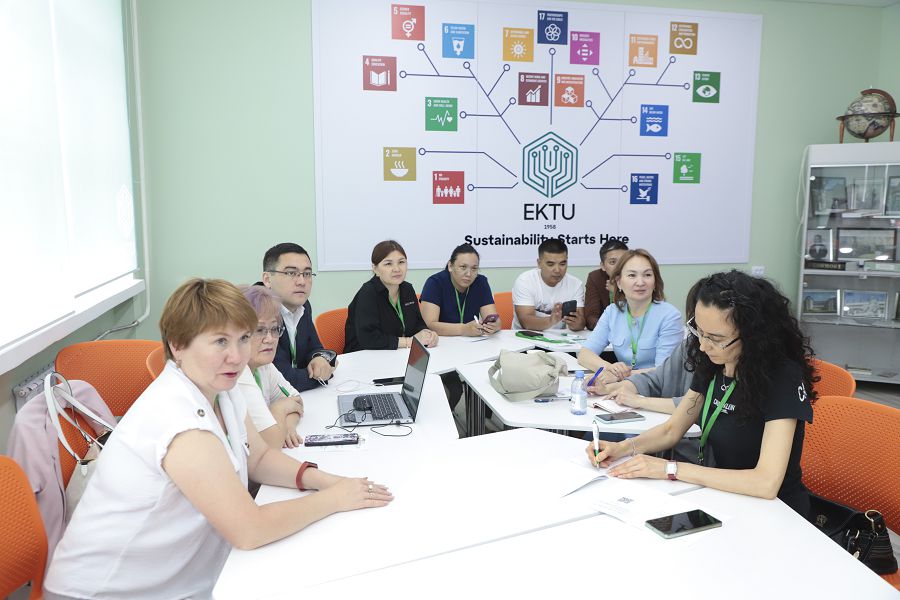
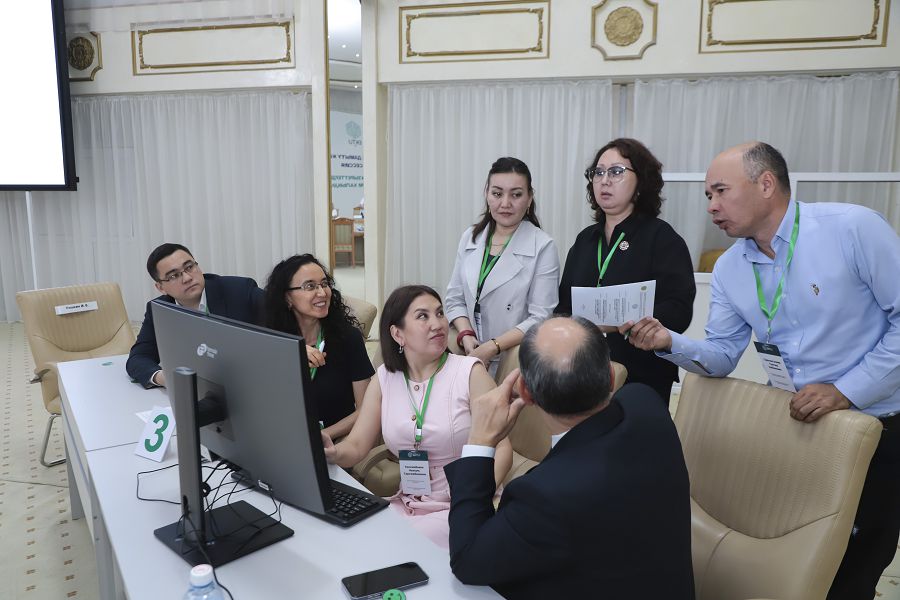
Стратегиялық сессияның маңызды ерекшеліктерінің бірі оның тәжірибеге бағытталған форматы болды. Университеттер, жұмыс берушілер және сарапшылар қауымдастығы өкілдері жобалық топтар құрамында жұмыс істеп, Қазақстан жоғары оқу орындарында CDIO тәсілін кеңінен енгізу және отандық инженерлік білім беру бағдарламаларын халықаралық деңгейде ілгерілету бойынша нақты ұсыныстар әзірледі.
Стратегиялық сессияның заңды жалғасы ретінде Инженерлік білім берудің ұлттық моделін іске асырудың маңызды құралы саналатын дуалды білім беруді дамытуға арналған DualEdu Forum өтті. Халықаралық сарапшылар университеттер мен кәсіпорындардың өзара іс-қимылының үздік тәжірибелерімен, корпоративтік оқыту тетіктерімен және білім, ғылым мен өндірісті біріктіретін инновациялық экожүйелерді қалыптастыру үлгілерімен бөлісті.
Форум барысында Allur, «Қазцинк» компанияларының, Шығыс Қазақстанның энергетикалық кешені кәсіпорындарының және басқа да өндірістік серіктестердің өкілдері сөз сөйлеп, үлкен қызығушылық тудырды. Қатысушылар жоғары оқу орындары мен жұмыс берушілер арасындағы ынтымақтастықтың жаңа форматтарын, өндірістік тәжірибені дамыту жолдарын және білім беру бағдарламаларын заманауи өнеркәсіп талаптарына бейімдеу мәселелерін талқылады.
Форум аясында интерактивті сессиялар мен «Өзара іс-қимыл конструкторы» маркетплейсі ұйымдастырылып, қатысушылар дуалды білім беру жүйесін жетілдіру және инженерлік кадрларды даярлау жүйесіне халықаралық үздік тәжірибелерді енгізу бойынша ұсыныстар әзірледі.
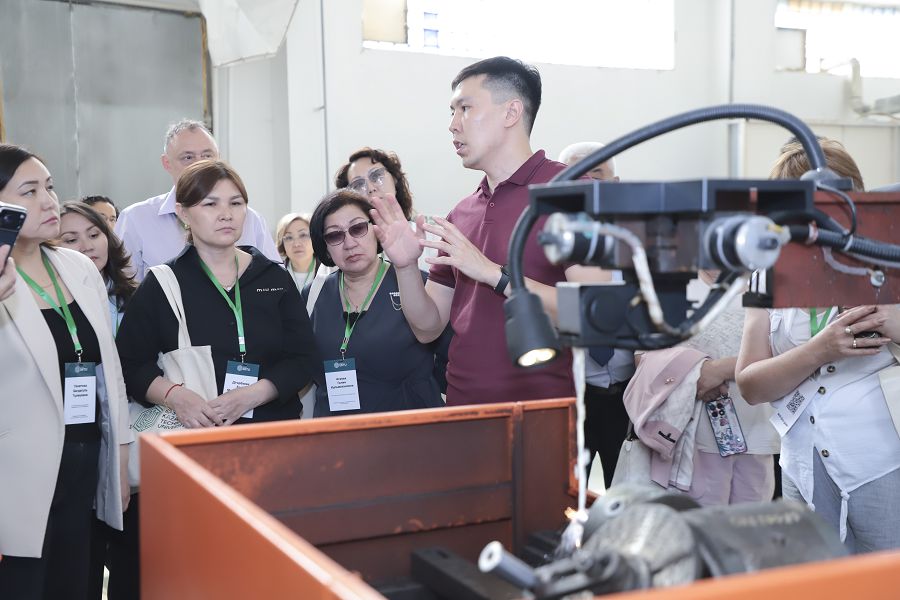
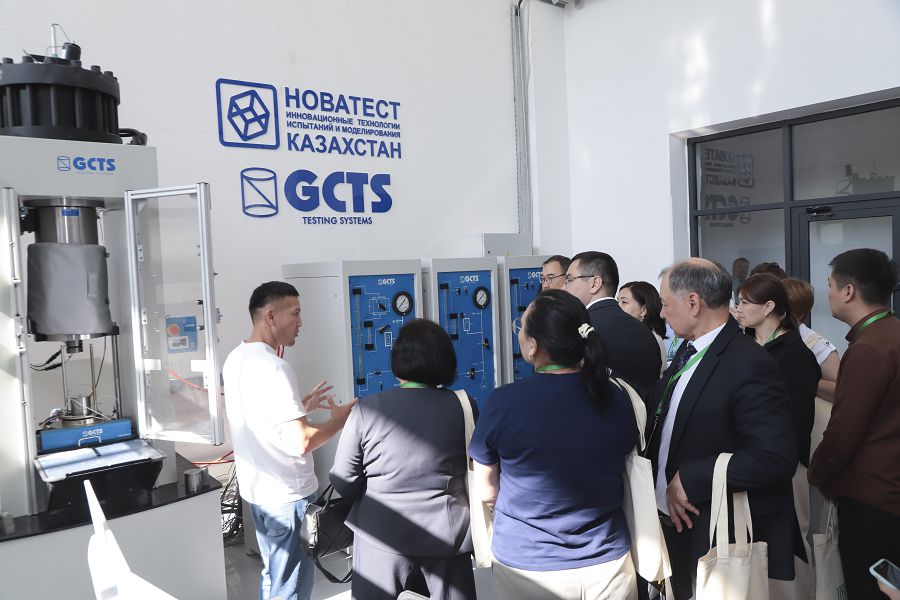
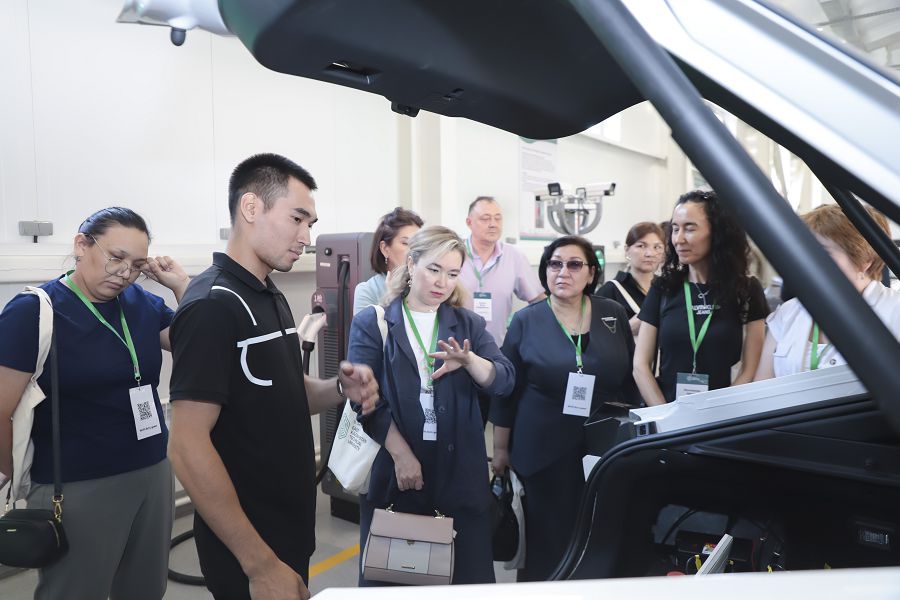
Қонақтар университеттің заманауи ғылыми-білім беру орталықтарын, инженерлік зертханаларын, құзыреттер орталықтарын және Лу Бань шеберханасын аралады. Бағдарламаның қорытынды кезеңінде қатысушылар «Қазцинк» компаниясының өндірістік нысандарына, Өскемен су электр станциясына және «Өскемен ЖЭО» ЖШС-не техникалық сапар жасап, университеттер мен индустриялық серіктестер арасындағы өзара әрекеттестіктің нақты үлгілерімен танысты.
Стратегиялық сессия мен DualEdu Forum қорытындысы бойынша Инженерлік білім берудің ұлттық моделін одан әрі дамытуға, халықаралық ынтымақтастықты кеңейтуге және жоғары оқу орындары, бизнес пен мемлекет арасындағы байланысты нығайтуға бағытталған ұсыныстар топтамасы әзірленді.
Өткізілген іс-шаралар Д. Серікбаев атындағы ШҚТУ-дың Қазақстандағы заманауи инженерлік білім беру жүйесін қалыптастыратын жетекші орталықтардың бірі және инженерлік кадрларды даярлау саласындағы стратегиялық шешімдер әзірленетін ұлттық алаң ретіндегі мәртебесін тағы бір мәрте айқындады.